
Custom
Feast
A banquet; also Israel's holy festivals
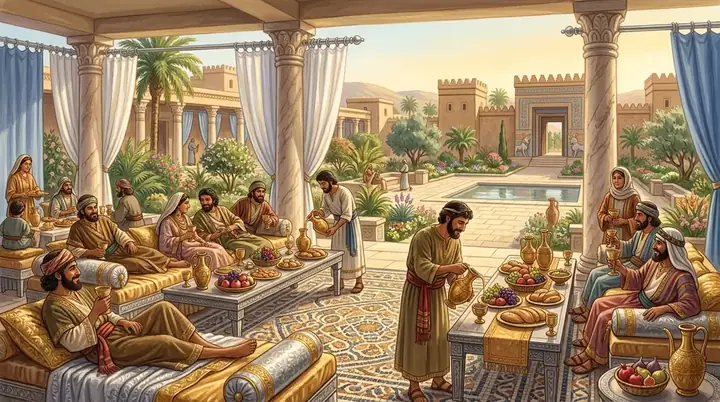
A great meal held for a wedding, a birthday, a guest or a harvest, with music, wine and guests seated by rank. The Bible's hope is pictured as a feast, and Israel's holy days were called feasts too.
- Occasions
- Weaning (Genesis 21:8), weddings (Judges 14:10), birthdays (Genesis 40:20), sheep-shearing (1 Samuel 25:36), a guest's arrival (Genesis 18:6–8), a son's return (Luke 15:23)
- Israel's feasts
- Passover, Pentecost, Feast of Tabernacles; see Appointed feasts
- Figurative
- The great supper (Luke 14:16); the wedding feast (Matthew 22:2); the marriage supper of the Lamb (Revelation 19:9)
Everyday feasts
Any happy occasion called for a feast. Abraham made one when Isaac was weaned (Genesis 21:8); Laban held a seven-day wedding feast for Jacob (Genesis 29:22–27); Samson's wedding ran a week with riddles for the young men (Judges 14:10–12). Kings feasted at coronations (1 Kings 1:25) and birthdays, at which both Pharaoh and Herod handed down death sentences (Genesis 40:20–22; Matthew 14:6–10). Hospitality to a traveller meant a meal at once (Genesis 18:6–8; Genesis 19:3). After a sacrifice the family ate its share before the LORD with joy (Deuteronomy 12:7). And when the prodigal came home his father killed the fattened calf, and there was music and dancing (Luke 15:23–25).
How they were held
Guests were invited twice, once beforehand and again when all was ready (Luke 14:17; Esther 5:8). On arrival their feet were washed, their heads anointed with oil and they were greeted with a kiss (Luke 7:44–46). They were seated by rank, the oldest or most honoured highest (Genesis 43:33; 1 Samuel 9:22), which is why Jesus told guests to take the lowest place (Luke 14:8–10). In New Testament times they reclined on couches, leaning on the left elbow, so that John could lean back on Jesus' chest at the Last Supper (John 13:23). A "governor of the feast" ran the meal (John 2:8), wine flowed, and there was music, singing and dancing (Isaiah 5:12; Luke 15:25). King Ahasuerus' feast lasted 180 days (Esther 1:3–4); Belshazzar's ended with writing on the wall (Daniel 5).
Israel's holy feasts
The LORD's festivals were feasts too, "feasts of the LORD" (Leviticus 23:2): Passover and unleavened bread, Pentecost and Tabernacles, when every man went up to the sanctuary and the nation ate and rejoiced before God (Deuteronomy 16:14–16). Later came Purim and the Feast of Dedication.
The feast to come
The Bible ends with a feast. Isaiah promised a banquet for all peoples on God's mountain, when death will be swallowed up (Isaiah 25:6–8). Jesus pictured the kingdom as a great supper to which the poor and lame are brought in while the first guests make excuses (Luke 14:16–24), and as a king's wedding feast where one guest without a wedding garment is thrown out (Matthew 22:1–14). "Blessed are they which are called unto the marriage supper of the Lamb" (Revelation 19:9).
Key verses
- Genesis 21:8
And the child grew, and was weaned: and Abraham made a great feast the same day that Isaac was weaned.
- Luke 14:8–10
When thou art bidden of any man to a wedding, sit not down in the highest room; lest a more honourable man than thou be bidden of him; And he that bade thee and him come and say to thee, Give this man place; and thou begin with shame to take the lowest room. But when thou art bidden, go and sit down in the lowest room; that when he that bade thee cometh, he may say unto thee, Friend, go up higher: then shalt thou have worship in the presence of them that sit at meat with thee.
- Luke 15:23
And bring hither the fatted calf, and kill it; and let us eat, and be merry:
- Isaiah 25:6
And in this mountain shall the Lord of hosts make unto all people a feast of fat things, a feast of wines on the lees, of fat things full of marrow, of wines on the lees well refined.
- Revelation 19:9
And he saith unto me, Write, Blessed are they which are called unto the marriage supper of the Lamb. And he saith unto me, These are the true sayings of God.
Read next
 FeastPassoverThe yearly feast remembering the night God rescued Israel from Egypt, when death passed over every house marked with a…
 FeastPentecost (the Feast of Weeks)The harvest feast kept fifty days after Passover, when two loaves baked from the new wheat were offered to God. On the…
 FeastThe Feast of Tabernacles (Booths)Israel's joyful autumn harvest feast, seven days of living in leafy shelters to remember the years in the wilderness…
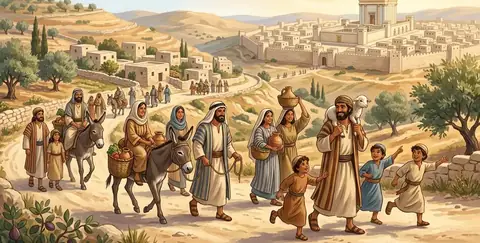 FeastThe appointed feastsThe holy days God gave Israel in Leviticus 23: the weekly Sabbath and seven yearly feasts, from Passover in spring to…
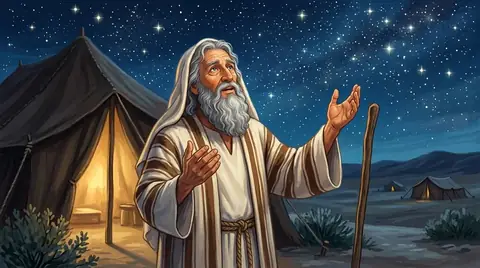 PersonAbrahamThe man God called out of Ur to a land he had never seen, promising him a people and a blessing for the whole world. He…
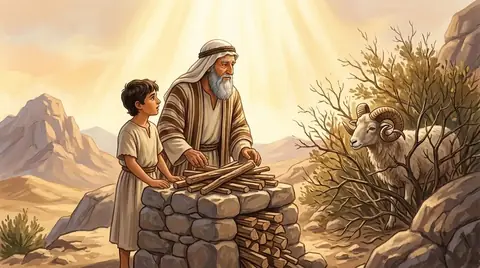 PersonIsaacThe son God promised to Abraham and Sarah when they were far too old for children, offered on Mount Moriah and spared.…
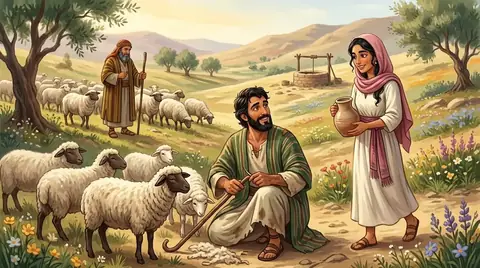 PersonLabanRebekah's brother in Haran, the father of Leah and Rachel. He took Jacob in, tricked him into marrying both daughters…
 PersonJacobIsaac's younger twin son, who won his brother's birthright and blessing by cunning, was changed by God, and was renamed…
Written for this app in its own words, from the Bible, with the facts checked against Bible dictionaries and encyclopedias: Easton's, Smith's, Fausset's, ISBE, Holman, the New Bible Dictionary, Vine's and the Thompson Chain topics.
