
Feast
The appointed feasts
The holy days God gave Israel in Leviticus 23: the weekly Sabbath and seven yearly feasts, from Passover in spring to Tabernacles in autumn. Three times a year every man went up to worship.
- Spring
- Passover and Unleavened Bread, Firstfruits, then Weeks (Pentecost) fifty days on
- Autumn
- Trumpets, the Day of Atonement, Tabernacles
- Pilgrim feasts
- Unleavened Bread, Weeks and Tabernacles: every man went up (Deuteronomy 16:16)
- Hebrew
- mo'adim, appointed times
What they were
God told Moses, "these are my feasts" (Leviticus 23:2). The word means fixed times, appointments on the calendar that God himself set. First came the Sabbath, every seventh day. Then the year was shaped by seven feasts in two clusters.
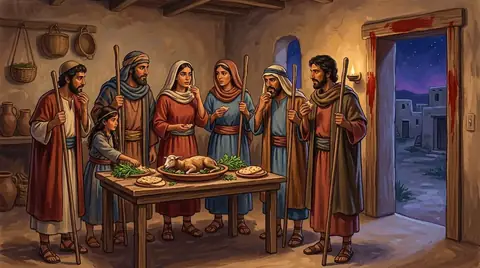
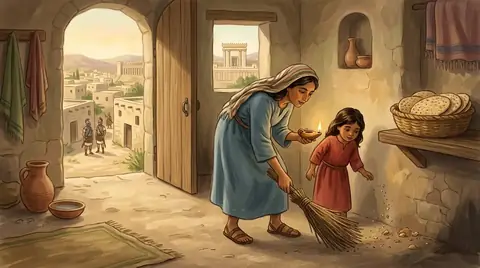
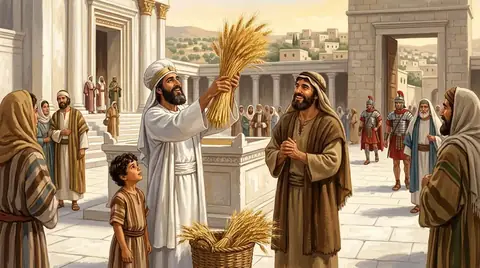
In spring, on the fourteenth day of the first month, came Passover, remembering the night Israel left Egypt, followed by seven days of Unleavened Bread. The day after the Sabbath in that week the first sheaf of barley was waved before the LORD as Firstfruits. Fifty days later, when the wheat was in, came the feast of Weeks, which the New Testament calls Pentecost.
In autumn, the seventh month opened with the feast of Trumpets. The tenth day was the Day of Atonement, a solemn fast when the high priest went into the Most Holy Place for the sins of the whole nation. From the fifteenth day, for a week, Israel lived in leafy shelters at the feast of Tabernacles, remembering the wilderness years and rejoicing over the harvest gathered in.
Why they mattered
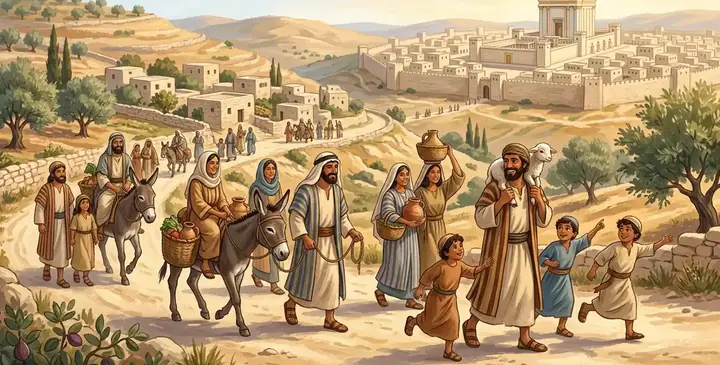
The feasts tied Israel's year to two things: what God had done to save them, and what God gave them from the land. For three of them, Unleavened Bread, Weeks and Tabernacles, all the men of Israel had to go up to the sanctuary, and "they shall not appear before the LORD empty" (Deuteronomy 16:16–17). The roads to Jerusalem filled with pilgrims, and the city rang with singing; the psalms of ascents (Psalms 120–134) were their songs. When Israel kept the feasts without a change of heart, God said he hated them (Isaiah 1:14; Amos 5:21).
Points to Christ
Jesus went up to these feasts, and he died at Passover as "our passover" lamb (1 Corinthians 5:7). He rose on the day of Firstfruits, "the firstfruits of them that slept" (1 Corinthians 15:20). The Spirit came at Pentecost (Acts 2:1). Hebrews shows the Day of Atonement fulfilled when he entered heaven itself with his own blood (Hebrews 9:11–12). Paul could call the feasts "a shadow of things to come; but the body is of Christ" (Colossians 2:16–17).
Key verses
- Leviticus 23:1–4
And the Lord spake unto Moses, saying, Speak unto the children of Israel, and say unto them, Concerning the feasts of the Lord, which ye shall proclaim to be holy convocations, even these are my feasts. Six days shall work be done: but the seventh day is the sabbath of rest, an holy convocation; ye shall do no work therein: it is the sabbath of the Lord in all your dwellings. …
- Exodus 23:14–17
Three times thou shalt keep a feast unto me in the year. Thou shalt keep the feast of unleavened bread: (thou shalt eat unleavened bread seven days, as I commanded thee, in the time appointed of the month Abib; for in it thou camest out from Egypt: and none shall appear before me empty:) And the feast of harvest, the firstfruits of thy labours, which thou hast sown in the field: and the feast of ingathering, which is in the end of the year, when thou hast gathered in thy labours out of the field. …
- Deuteronomy 16:16–17
Three times in a year shall all thy males appear before the Lord thy God in the place which he shall choose; in the feast of unleavened bread, and in the feast of weeks, and in the feast of tabernacles: and they shall not appear before the Lord empty: Every man shall give as he is able, according to the blessing of the Lord thy God which he hath given thee.
- 1 Corinthians 5:7
Purge out therefore the old leaven, that ye may be a new lump, as ye are unleavened. For even Christ our passover is sacrificed for us:
- Colossians 2:16–17
Let no man therefore judge you in meat, or in drink, or in respect of an holyday, or of the new moon, or of the sabbath days: Which are a shadow of things to come; but the body is of Christ.
Read next
 FeastPassoverThe yearly feast remembering the night God rescued Israel from Egypt, when death passed over every house marked with a…
 FeastThe Feast of Unleavened BreadThe seven days after Passover when Israel ate only bread without yeast and cleared all leaven from their homes…
 Custom · FeastFirstfruitsThe first and best of each harvest, brought to God before the rest was touched, as thanks that the whole of it came…
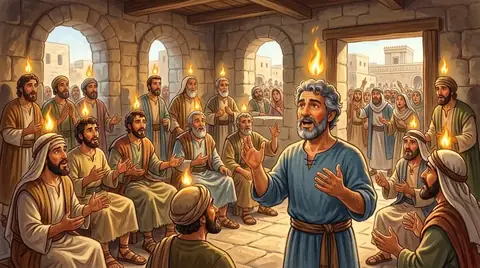 FeastPentecost (the Feast of Weeks)The harvest feast kept fifty days after Passover, when two loaves baked from the new wheat were offered to God. On the…
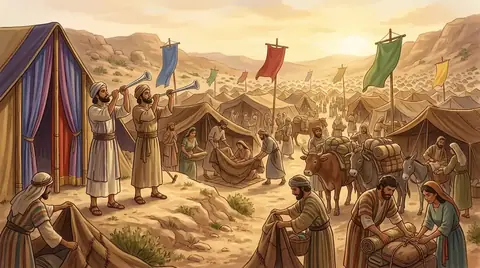 Thing · SymbolThe trumpetIsrael's trumpets, a ram's horn and silver tubes, called the people together, warned of danger, sounded for battle and…
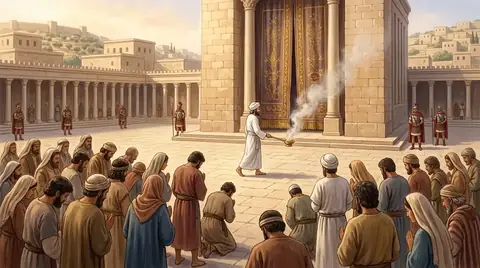 Feast · FastThe Day of AtonementThe one day in the year when the high priest went behind the veil with blood to atone for all Israel's sins, while a…
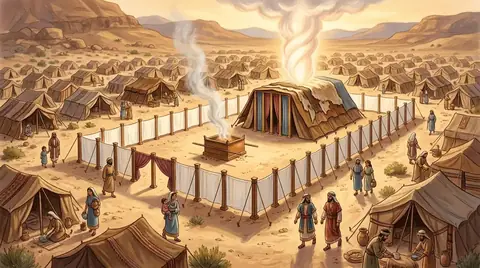 Thing · WorshipThe tabernacleThe holy tent Israel built in the wilderness, by God's own pattern, so that he could dwell in the middle of his people.…
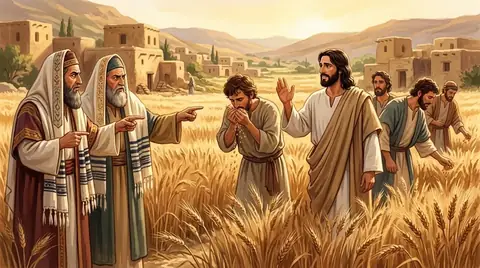 Custom · Day of restThe SabbathThe seventh day of the week, kept holy for rest and worship because God rested after creation. It was the sign of God's…
Written for this app in its own words, from the Bible, with the facts checked against Bible dictionaries and encyclopedias: Easton's, Smith's, Fausset's, ISBE, Holman, the New Bible Dictionary, Vine's and the Thompson Chain topics. Also: Edersheim, The Temple: Its Ministry and Services.
