
Feast
The Feast of Unleavened Bread
15–21 Abib (March–April), straight after Passover · Exod 12:15-20
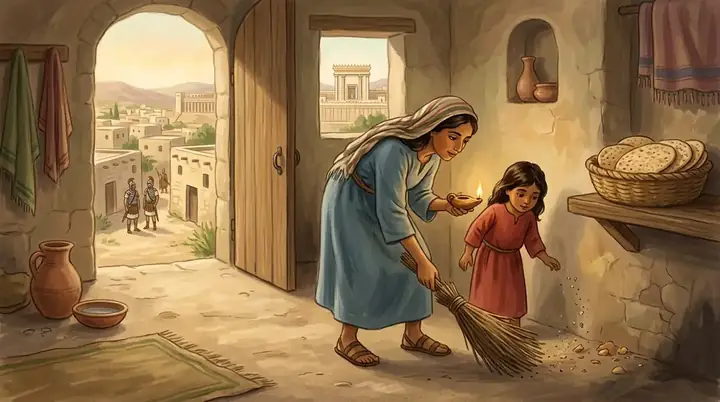
The seven days after Passover when Israel ate only bread without yeast and cleared all leaven from their homes, recalling the night they left Egypt in haste. Paul makes it a picture of a life swept clean of sin.
- When
- From the 15th to the 21st of the first month (Abib, later Nisan)
- Rules
- No leaven eaten or kept in the house for seven days; the first and seventh days holy, with no work (Exodus 12:15–16)
- Remembers
- Leaving Egypt with dough that had no time to rise (Exodus 12:39)
What it was
The Passover lamb was eaten on the night of the 14th of the first month, and the next seven days were the Feast of Unleavened Bread; the two ran together and were often spoken of as one (Luke 22:1). Before it began every scrap of leaven was searched out and removed from the house, and for a week the family ate flat bread, "the bread of affliction", because Israel had left Egypt in such a hurry that their dough was baked unrisen (Exodus 12:39; Deuteronomy 16:3). Anyone who ate leaven was cut off from Israel (Exodus 12:19). During the week the first sheaf of barley was waved before the LORD (Leviticus 23:10–11; see First-fruits), so the feast was also the start of harvest. Like Pentecost and Tabernacles it was a pilgrim feast, kept at the sanctuary (Deuteronomy 16:16).
In the Old Testament
Israel kept it in the wilderness (Numbers 9:5) and at Gilgal after crossing the Jordan, when the manna stopped (Joshua 5:10–12). Hezekiah and Josiah revived it with great joy after years of neglect (2 Chronicles 30:21; 2 Chronicles 35:17), and the returned exiles kept it when the second temple was finished (Ezra 6:22).
In the New Testament
Jesus kept his last Passover and was crucified during this feast (Mark 14:1, 12). Herod arrested Peter during the days of unleavened bread (Acts 12:3), and Paul sailed from Philippi after it (Acts 20:6). Paul also gave its meaning: "Christ our passover is sacrificed for us: therefore let us keep the feast, not with old leaven… but with the unleavened bread of sincerity and truth" (1 Corinthians 5:7–8). Leaven stands for the malice and wickedness that spread through a life or a church if left alone; the believer is to sweep it out and live clean.
Key verses
- Exodus 12:15–17
Seven days shall ye eat unleavened bread; even the first day ye shall put away leaven out of your houses: for whosoever eateth leavened bread from the first day until the seventh day, that soul shall be cut off from Israel. And in the first day there shall be an holy convocation, and in the seventh day there shall be an holy convocation to you; no manner of work shall be done in them, save that which every man must eat, that only may be done of you. And ye shall observe the feast of unleavened bread; for in this selfsame day have I brought your armies out of the land of Egypt: therefore shall ye observe this day in your generations by an ordinance for ever.
- Exodus 12:39
And they baked unleavened cakes of the dough which they brought forth out of Egypt, for it was not leavened; because they were thrust out of Egypt, and could not tarry, neither had they prepared for themselves any victual.
- Deuteronomy 16:3
Thou shalt eat no leavened bread with it; seven days shalt thou eat unleavened bread therewith, even the bread of affliction; for thou camest forth out of the land of Egypt in haste: that thou mayest remember the day when thou camest forth out of the land of Egypt all the days of thy life.
- Leviticus 23:6
And on the fifteenth day of the same month is the feast of unleavened bread unto the Lord: seven days ye must eat unleavened bread.
- 1 Corinthians 5:7–8
Purge out therefore the old leaven, that ye may be a new lump, as ye are unleavened. For even Christ our passover is sacrificed for us: Therefore let us keep the feast, not with old leaven, neither with the leaven of malice and wickedness; but with the unleavened bread of sincerity and truth.
Read next
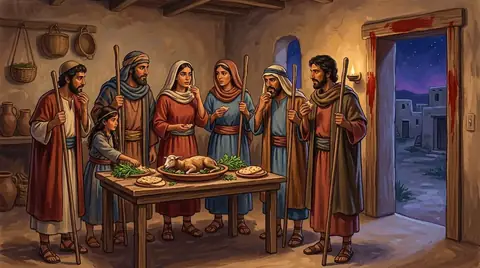 FeastPassoverThe yearly feast remembering the night God rescued Israel from Egypt, when death passed over every house marked with a…Thing · SymbolLeaven (yeast)A piece of fermented dough kept back to make the next batch rise. The Bible makes it a picture of what spreads quietly…
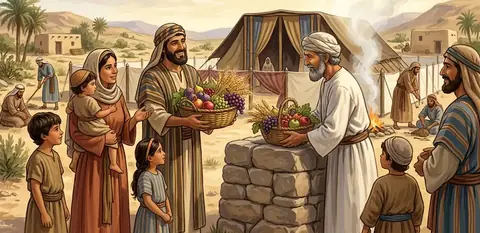 Custom · WorshipFirst-fruitsThe first ripe grain, fruit, oil and wine of each year, offered to God before any of the rest was used, as a…
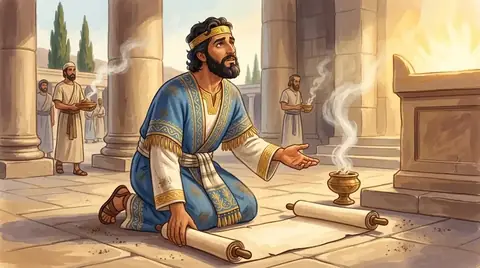 Person · KingHezekiahOne of Judah's best kings. He cleansed the temple, smashed the idols, trusted God when Assyria besieged Jerusalem, and…
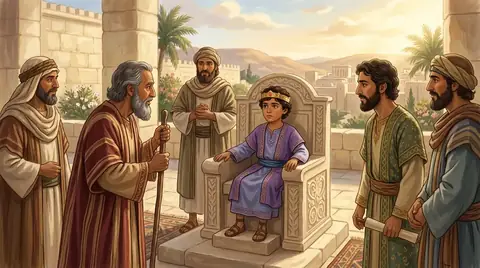 PersonJosiahThe boy king of Judah who turned the nation back to God. When the lost Book of the Law was found in the temple, he tore…
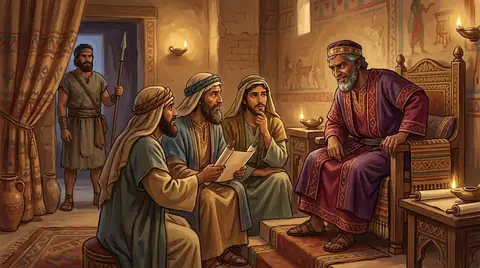 Person · KingHerodThe name of a family of rulers under Rome. Herod the Great tried to kill the infant Jesus; his son Antipas beheaded…
Written for this app in its own words, from the Bible, with the facts checked against Bible dictionaries and encyclopedias: Easton's, Smith's, Fausset's, ISBE, Holman, the New Bible Dictionary, Vine's and the Thompson Chain topics.
