
Custom
Fasting
Going without food to seek God
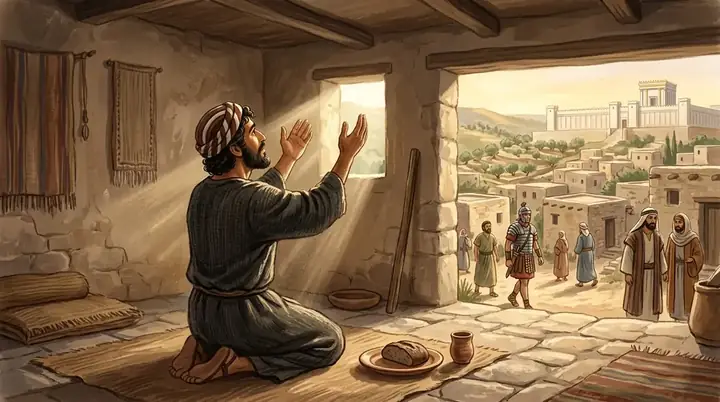
Going without meals for a while so as to humble yourself before God, whether in sorrow for sin, in grief, in danger or when seeking his guidance. The Law required one fast a year; Jesus fasted forty days and taught his followers to fast in secret.
- Commanded
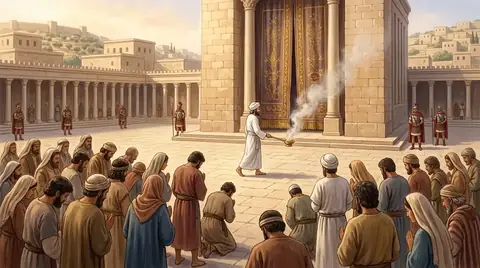
- The Day of Atonement, "the fast" (Leviticus 16:29; Acts 27:9)
- Forty days
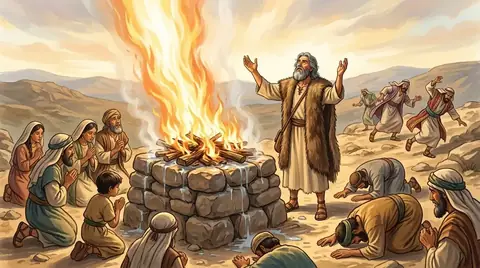
- Moses (Exodus 34:28), Elijah (1 Kings 19:8), Jesus (Matthew 4:2)
- Other fasts
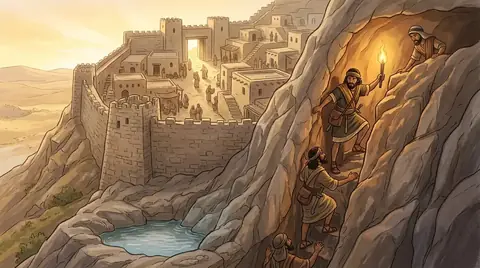
- For the fall of Jerusalem (Zechariah 8:19); the Pharisees twice a week (Luke 18:12)
What it was
To fast was to go without food, usually from sunrise to sunset or for a whole day, sometimes longer, and often with sackcloth, ashes and weeping. The Law required just one fast in the year, on the Day of Atonement, when everyone was to "afflict" his soul (Leviticus 16:29–31). During the exile the Jews added fasts to mourn the fall of Jerusalem, which God promised to turn into feasts of joy (Zechariah 8:19). By Jesus' day the strict fasted every Monday and Thursday (Luke 18:12).
Why people fasted
Israel fasted in sorrow for sin (1 Samuel 7:6; Nehemiah 9:1) and in grief for the dead (2 Samuel 1:12). David fasted while his baby was dying (2 Samuel 12:16). Ezra fasted for a safe journey (Ezra 8:21–23), Esther before going in to the king (Esther 4:16), Nehemiah when he heard that Jerusalem's walls lay in ruins (Nehemiah 1:4), and Daniel as he prayed for his people (Daniel 9:3). Whole cities fasted when judgment threatened: Nineveh from the king down to the cattle (Jonah 3:5–7). The church at Antioch fasted and prayed before sending out Paul and Barnabas (Acts 13:2–3), and Paul fasted before appointing elders (Acts 14:23).
What Jesus taught
Jesus fasted forty days in the wilderness before his temptation (Matthew 4:2). He expected his followers to fast, but in secret, with a washed face, for God's eyes and not for show (Matthew 6:16–18). While he was with them there was no need, like a wedding; the time for fasting would come after he was taken away (Matthew 9:14–15).
What it means
A fast is no good in itself. Isaiah told the people that the fast God chooses is loosing the chains of the oppressed, sharing bread with the hungry and taking in the homeless (Isaiah 58:6–7). Going without food is meant to make room for prayer, to say that God matters more than our comfort, and to humble a heart that food and ease make proud.
Key verses
- Leviticus 16:29
And this shall be a statute for ever unto you: that in the seventh month, on the tenth day of the month, ye shall afflict your souls, and do no work at all, whether it be one of your own country, or a stranger that sojourneth among you:
- Isaiah 58:6–7
Is not this the fast that I have chosen? to loose the bands of wickedness, to undo the heavy burdens, and to let the oppressed go free, and that ye break every yoke? Is it not to deal thy bread to the hungry, and that thou bring the poor that are cast out to thy house? when thou seest the naked, that thou cover him; and that thou hide not thyself from thine own flesh?
- Matthew 4:2
And when he had fasted forty days and forty nights, he was afterward an hungred.
- Matthew 6:16–18
Moreover when ye fast, be not, as the hypocrites, of a sad countenance: for they disfigure their faces, that they may appear unto men to fast. Verily I say unto you, They have their reward. But thou, when thou fastest, anoint thine head, and wash thy face; That thou appear not unto men to fast, but unto thy Father which is in secret: and thy Father, which seeth in secret, shall reward thee openly.
- Acts 13:2–3
As they ministered to the Lord, and fasted, the Holy Ghost said, Separate me Barnabas and Saul for the work whereunto I have called them. And when they had fasted and prayed, and laid their hands on them, they sent them away.
Read next
 Feast · FastThe Day of AtonementThe one day in the year when the high priest went behind the veil with blood to atone for all Israel's sins, while a…
 PersonMosesThe man God used to bring Israel out of Egypt, give them his Law at Sinai, and lead them for forty years in the…
 PersonElijahThe fiery prophet who stood alone against King Ahab and the prophets of Baal, called down fire on Mount Carmel, and was…
 PlaceJerusalemThe city David made his capital and where Solomon built the temple. Jesus died and rose there and the church began…
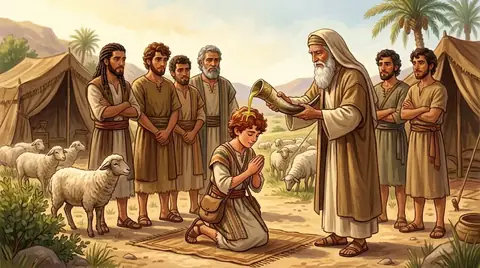 Person · KingDavidThe shepherd boy who killed Goliath and became Israel's greatest king, "a man after God's own heart". He wrote many…
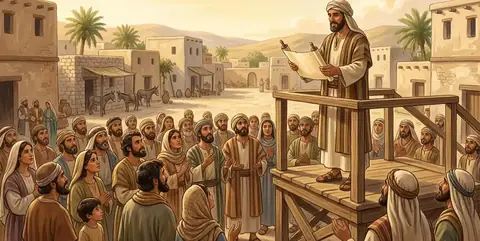 PersonEzraA priest and scribe who led a second group of exiles back from Babylon, taught the people God's law and read it to them…
 PersonEstherA Jewish orphan who became queen of Persia and risked her life to stop Haman's plan to kill every Jew in the empire.…
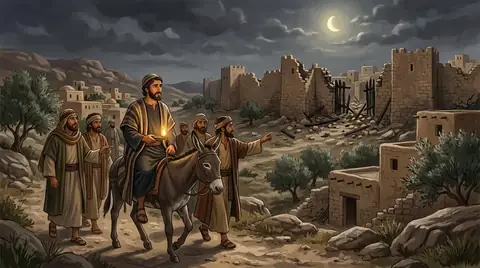 PersonNehemiahThe king of Persia's cupbearer who got leave to go to Jerusalem and rebuilt its broken walls in fifty-two days, despite…
Written for this app in its own words, from the Bible, with the facts checked against Bible dictionaries and encyclopedias: Easton's, Smith's, Fausset's, ISBE, Holman, the New Bible Dictionary, Vine's and the Thompson Chain topics.
