
Person
Nehemiah
nee-eh-MY-ahGovernor of Judah · about 445–420 BC
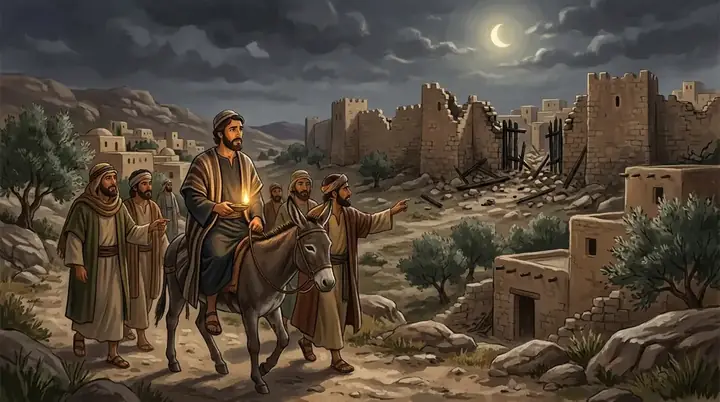
The king of Persia's cupbearer who got leave to go to Jerusalem and rebuilt its broken walls in fifty-two days, despite enemies all round. As governor he reformed the people and taught them to keep God's law.
- Family
- Son of Hacaliah; brother of Hanani (Nehemiah 1:1–2)
- Known for
- Rebuilding Jerusalem's wall (Nehemiah 6:15); the reforms of Nehemiah 13
- Meaning
- The LORD comforts
From Susa to Jerusalem
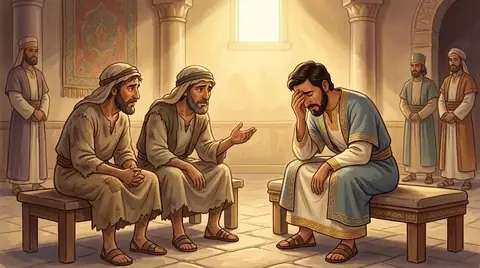
Nehemiah served King Artaxerxes of Persia as cupbearer, a trusted post at court. When his brother Hanani brought news that Jerusalem's wall still lay in ruins and its people were in disgrace, Nehemiah wept, fasted and prayed for days (Nehemiah 1). Months later the king noticed his sad face. Nehemiah breathed a prayer and asked to be sent to rebuild the city, and the king gave him letters, timber and an escort (Nehemiah 2:1–9).
The wall
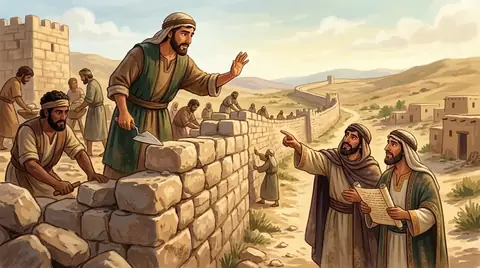
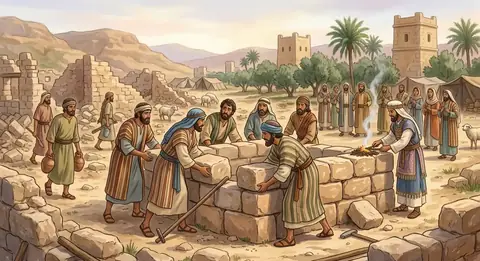
He rode round the ruins by night, then called the people to build, and families, priests, goldsmiths and merchants each took a section (Nehemiah 2:11–18; Nehemiah 3). Sanballat, Tobiah and Geshem mocked, then plotted attack, and the builders worked with a tool in one hand and a weapon in the other (Nehemiah 4). Nehemiah refused to be lured to a meeting or to hide in the temple (Nehemiah 6:1–14). The wall was finished in fifty-two days, and the enemies knew "this work was wrought of our God" (Nehemiah 6:15–16).
Governor and reformer
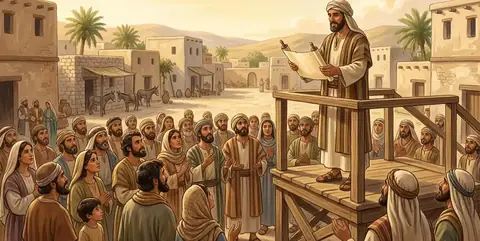
Nehemiah stopped the rich from taking land and children from the poor in payment of debts, and took no governor's allowance himself (Nehemiah 5). With Ezra he had the law read to the people, kept the Feast of Tabernacles, and led them in a written promise to obey God (Nehemiah 8–10). The wall was dedicated with two choirs marching along the top (Nehemiah 12:27–43). After a visit to Persia he came back to find the promises broken, and dealt firmly with Sabbath trading, foreign marriages and neglect of the Levites (Nehemiah 13). His prayer recurs through the book: "Remember me, O my God, for good."
What to learn
Nehemiah prayed and then acted, planned carefully and trusted God, and would not be frightened off or bought. Two other men of the name came back from Babylon with Zerubbabel (Ezra 2:2) and helped build the wall (Nehemiah 3:16).
Key verses
- Nehemiah 1:4
And it came to pass, when I heard these words, that I sat down and wept, and mourned certain days, and fasted, and prayed before the God of heaven,
- Nehemiah 2:4–5
Then the king said unto me, For what dost thou make request? So I prayed to the God of heaven. And I said unto the king, If it please the king, and if thy servant have found favour in thy sight, that thou wouldest send me unto Judah, unto the city of my fathers’ sepulchres, that I may build it.
- Nehemiah 4:9
Nevertheless we made our prayer unto our God, and set a watch against them day and night, because of them.
- Nehemiah 6:15–16
So the wall was finished in the twenty and fifth day of the month Elul, in fifty and two days. And it came to pass, that when all our enemies heard thereof, and all the heathen that were about us saw these things, they were much cast down in their own eyes: for they perceived that this work was wrought of our God.
- Nehemiah 13:31
And for the wood offering, at times appointed, and for the firstfruits. Remember me, O my God, for good.
Family
- Parents
- Hacaliah
- Brothers and sisters
- Hanani
Mentioned in 5 verses
- Nehemiah 5
Read next
 PersonArtaxerxesThe Persian king who sent Ezra to Jerusalem with the law in his seventh year and let his cupbearer Nehemiah go and…
 PersonSanballatA powerful leader in Samaria who did all he could to stop Nehemiah rebuilding the walls of Jerusalem: mockery, threats…
 PersonEzraA priest and scribe who led a second group of exiles back from Babylon, taught the people God's law and read it to them…
 PersonZerubbabelThe prince of David's line who led the first exiles home from Babylon and rebuilt the temple in Jerusalem, finishing it…
 PersonHacaliahThe father of Nehemiah, the Jewish cupbearer to the king of Persia who became governor of Judah and rebuilt the walls…PersonHananiA seer who rebuked King Asa of Judah for hiring Syria instead of trusting God, and was put in the stocks for it. The…
Written for this app in its own words, from the Bible, with the facts checked against Bible dictionaries and encyclopedias: Easton's, Smith's, Fausset's, ISBE, Holman, the New Bible Dictionary, Vine's and the Thompson Chain topics. People and places: STEPBible.org (TIPNR), CC BY 4.0; where a place is today and its photo: OpenBible.info, CC BY 4.0.
