
Person
Esther
ESS-terOld Testament · queen of Persia from 479 BC · Hebrew name Hadassah, "myrtle"
A Jewish orphan who became queen of Persia and risked her life to stop Haman's plan to kill every Jew in the empire. The feast of Purim still celebrates her courage.
- Family
- Daughter of Abihail, of the tribe of Benjamin; brought up by her cousin Mordecai (Esther 2:5–7)
- Married
- King Ahasuerus (Xerxes I) of Persia, after Queen Vashti was put away
- Known for
- "If I perish, I perish" (Esther 4:16); the feast of Purim
- Where
- Shushan (Susa), the Persian winter capital
Her story
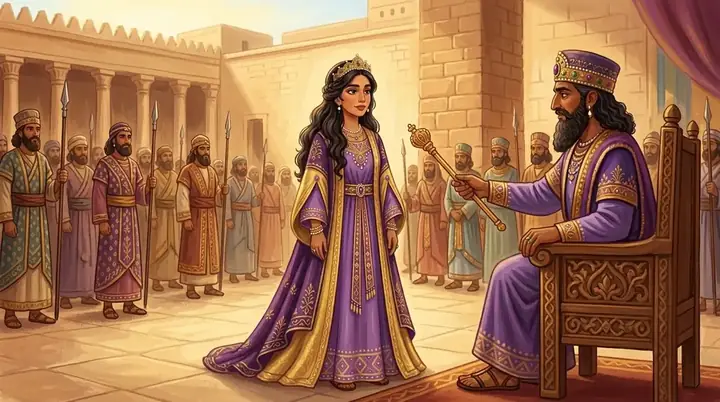
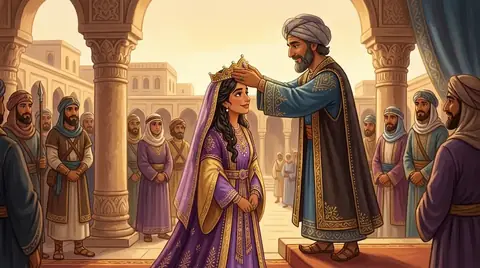
Esther's family had stayed in Persia after other exiles went home. She was beautiful, and when King Ahasuerus dismissed his queen Vashti for refusing to show herself at his banquet, Esther was among the young women gathered for him, and she won his heart and the crown (Esther 2). On Mordecai's advice she told no one she was a Jew.
Then Haman, the king's chief minister, furious that Mordecai would not bow to him, got the king to sign a decree that on one day every Jew in the empire would be killed. Mordecai sent word to Esther to plead with the king. She answered that anyone who went in to the king unasked died unless he held out his sceptre, and she had not been called for a month. Mordecai replied that she would not escape either, and "who knoweth whether thou art come to the kingdom for such a time as this?" (Esther 4:14). Esther asked the Jews to fast three days with her, and went in: "if I perish, I perish" (Esther 4:16). The king held out the sceptre. At a second banquet she named Haman as the enemy, and he died on the very gallows he had made ready for Mordecai (Esther 5–7). Since a Persian law could not be cancelled, a second decree let the Jews defend themselves, and on the appointed day they won (Esther 8–9). Esther and Mordecai set up the feast of Purim to remember it every year (Esther 9:20–32).
What to learn
God's name is never mentioned in the book of Esther, yet his hand is everywhere: a sleepless night, an overheard plot, a girl in the right place. Esther shows that ordinary people, put where God has put them, are to act with courage and trust him with the outcome. Her people had been written off for death and were saved by one who stood in the gap for them.
Key verses
- Esther 2:17
And the king loved Esther above all the women, and she obtained grace and favour in his sight more than all the virgins; so that he set the royal crown upon her head, and made her queen instead of Vashti.
- Esther 4:14
For if thou altogether holdest thy peace at this time, then shall there enlargement and deliverance arise to the Jews from another place; but thou and thy father’s house shall be destroyed: and who knoweth whether thou art come to the kingdom for such a time as this?
- Esther 4:16
Go, gather together all the Jews that are present in Shushan, and fast ye for me, and neither eat nor drink three days, night or day: I also and my maidens will fast likewise; and so will I go in unto the king, which is not according to the law: and if I perish, I perish.
- Esther 7:3
Then Esther the queen answered and said, If I have found favour in thy sight, O king, and if it please the king, let my life be given me at my petition, and my people at my request:
- Esther 9:26
Wherefore they called these days Purim after the name of Pur. Therefore for all the words of this letter, and of that which they had seen concerning this matter, and which had come unto them,
On the map
Family
- Parents
- Abihail
Mentioned in 45 verses
- Esther 45
Read next
 PersonBenjaminJacob's youngest son, whose mother Rachel died bearing him. Joseph's only full brother, he was the centre of the…
 PersonMordecaiThe Jew who raised his cousin Esther, refused to bow to Haman, and with Esther saved the Jews of Persia from being…
 Person · KingAhasuerusThe king of Persia in the book of Esther, who put away Queen Vashti, made Esther his queen, and was tricked by Haman…
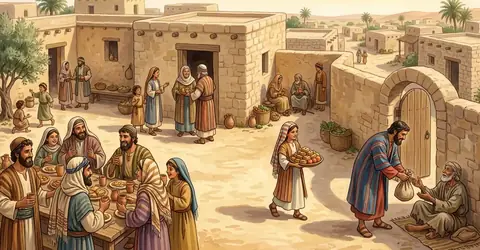 FeastPurimThe feast that remembers how the Jews of Persia escaped Haman's plot, the story the book of Esther tells. Named after…
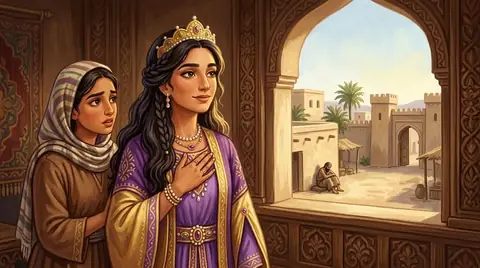 Place · CitySusaThe winter capital of the Persian kings, east of Babylon. The story of Esther is set in its palace, Nehemiah served the…
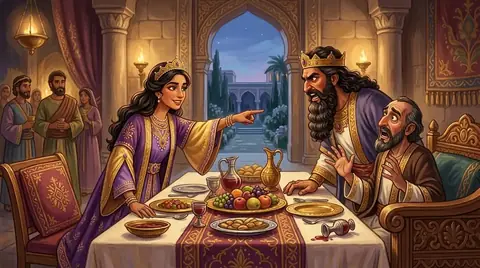 PersonHamanThe proud prime minister of King Ahasuerus of Persia, who plotted to kill every Jew in the empire because Mordecai…
 PersonAbihailThe father of Queen Esther and uncle of Mordecai. Four others in the Bible, men and women, bore the same name.
Written for this app in its own words, from the Bible, with the facts checked against Bible dictionaries and encyclopedias: Easton's, Smith's, Fausset's, ISBE, Holman, the New Bible Dictionary, Vine's and the Thompson Chain topics. People and places: STEPBible.org (TIPNR), CC BY 4.0; where a place is today and its photo: OpenBible.info, CC BY 4.0.
