
Thing · Worship
The tabernacle
Hebrew mishkan, "dwelling" · the tent where God lived among Israel · 1446 BC to Solomon's temple
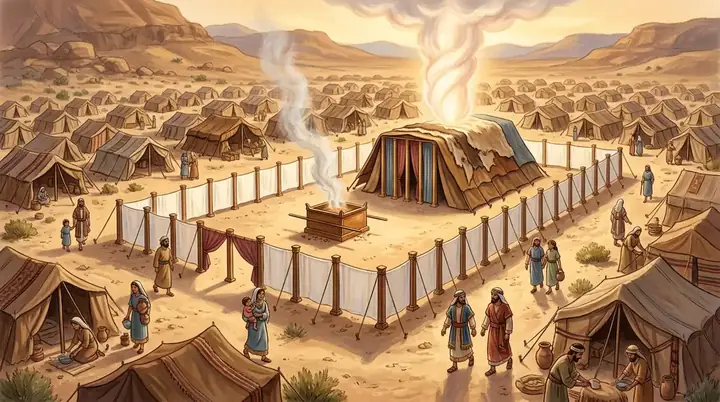
The holy tent Israel built in the wilderness, by God's own pattern, so that he could dwell in the middle of his people. It travelled with them for forty years and stood in the land until Solomon built the temple.
- Built
- At Mount Sinai, in the year after the Exodus, by Bezaleel and Aholiab (Exodus 36–40)
- Size
- The tent 45 by 15 feet (14 by 4.5 m); the courtyard 150 by 75 feet (46 by 23 m)
- Inside
- The Holy Place: lampstand, table of showbread, incense altar. The Most Holy Place: the ark
- Later stood at
- Gilgal, Shiloh for centuries, Nob, Gibeon
What it was
"Let them make me a sanctuary; that I may dwell among them", God told Moses on Mount Sinai, and showed him the pattern (Exodus 25:8–9). The people gave so freely, gold, silver, cloth, skins and wood from the spoil of Egypt, that Moses had to tell them to stop (Exodus 36:5–7). Two Spirit-filled craftsmen, Bezaleel and Aholiab, led the work, and it was set up on the first day of the second year after leaving Egypt (Exodus 40:17).
The tent itself was a frame of gold-covered acacia boards standing in silver sockets, about 45 feet long and 15 wide (14 by 4.5 m), hung inside with curtains of fine linen embroidered with cherubim and covered over with goats' hair, rams' skins and tough hide (see the tabernacle coverings). A veil divided it in two. In the front room, the Holy Place, stood the golden lampstand, the table of shewbread and the altar of incense, where the priests served daily. Behind the veil, in the Most Holy Place, was the ark of the covenant with its mercy seat, and there God's glory dwelt between the cherubim. Only the high priest went in, once a year, on the Day of Atonement. Round the tent was a courtyard fenced with linen hangings, holding the bronze altar of sacrifice and the laver for washing.
How it was used
When the tabernacle was finished, the cloud of God's presence covered it and his glory filled it, so that even Moses could not go in (Exodus 40:34–35). From then on the cloud by day and the fire by night told Israel when to camp and when to move (Numbers 9:15–23). The Levites took it down, carried it and set it up again, and the tribes camped round it in order (Numbers 2). It went with them across the Jordan and stood at Shiloh through the days of the judges, where the boy Samuel slept near the ark (1 Samuel 3:3). After the ark was captured and the priests of Nob killed, the tent stood at Gibeon, until Solomon brought its furnishings into the temple (1 Kings 8:4).
What it meant
The tabernacle said two things at once. God is near: he lives in the middle of the camp, not on a far mountain. And God is holy: curtains, courts, a veil and blood kept sinners at a distance. The whole arrangement taught Israel how to approach him.
Points to Christ
John says that the Word became flesh and "dwelt among us", literally pitched his tent among us, and we saw his glory (John 1:14). Hebrews calls the tabernacle "a shadow of heavenly things" (Hebrews 8:5): Christ is the true high priest who entered the real sanctuary in heaven, with his own blood, once for all (Hebrews 9:11–12). When he died the veil of the temple was torn in two, and the way into God's presence stood open (Matthew 27:51). The Bible ends with the tabernacle's promise fulfilled: "the tabernacle of God is with men, and he will dwell with them" (Revelation 21:3).
Key verses
- Exodus 25:8–9
And let them make me a sanctuary; that I may dwell among them. According to all that I shew thee, after the pattern of the tabernacle, and the pattern of all the instruments thereof, even so shall ye make it.
- Exodus 40:34
Then a cloud covered the tent of the congregation, and the glory of the Lord filled the tabernacle.
- Numbers 9:15–16
And on the day that the tabernacle was reared up the cloud covered the tabernacle, namely, the tent of the testimony: and at even there was upon the tabernacle as it were the appearance of fire, until the morning. So it was alway: the cloud covered it by day, and the appearance of fire by night.
- John 1:14
And the Word was made flesh, and dwelt among us, (and we beheld his glory, the glory as of the only begotten of the Father,) full of grace and truth.
- Hebrews 9:11–12
But Christ being come an high priest of good things to come, by a greater and more perfect tabernacle, not made with hands, that is to say, not of this building; Neither by the blood of goats and calves, but by his own blood he entered in once into the holy place, having obtained eternal redemption for us.
- Revelation 21:3
And I heard a great voice out of heaven saying, Behold, the tabernacle of God is with men, and he will dwell with them, and they shall be his people, and God himself shall be with them, and be their God.
On the map
Read next
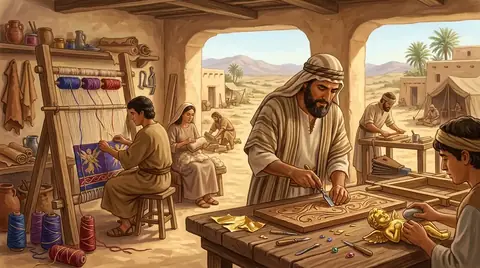 PersonBezalelThe craftsman from Judah whom God filled with his Spirit to make the tabernacle and everything in it, from the ark of…PersonOholiabA craftsman of the tribe of Dan whom God appointed to work beside Bezalel on the tabernacle. He was an engraver, a…
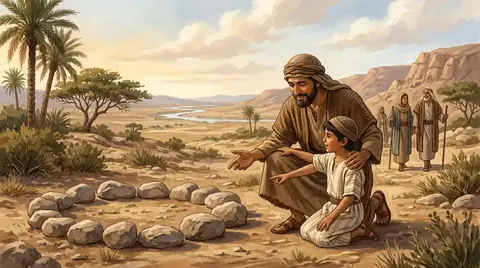 Place · CampGilgalIsrael's first camp in the promised land, where the twelve stones from the Jordan were set up and the reproach of Egypt…
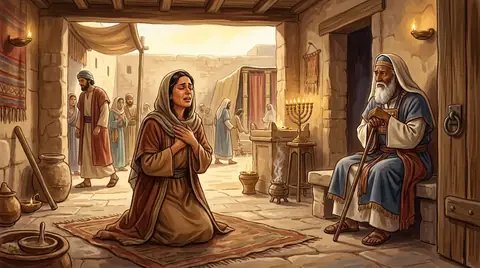 Place · TownShilohThe town in the hills of Ephraim where the tabernacle stood for over three hundred years, from Joshua to Samuel. Hannah…
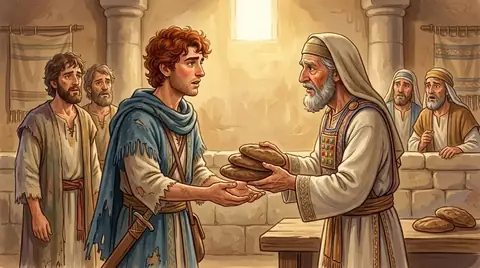 Place · TownNobA priests' town near Jerusalem where the tabernacle stood in Saul's day. Ahimelech gave David the holy bread and…
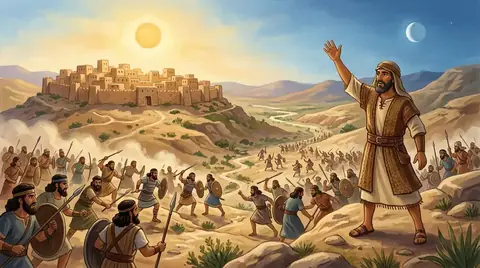 Place · CityGibeonThe Hivite city whose people fooled Joshua into a treaty, and where the sun stood still over the battle that followed.…
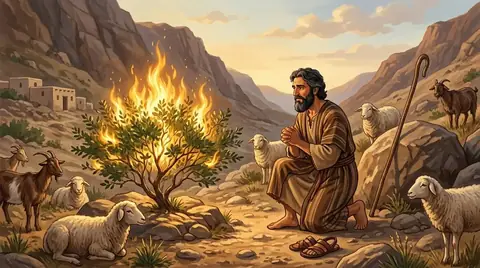 PersonMosesThe man God used to bring Israel out of Egypt, give them his Law at Sinai, and lead them for forty years in the…
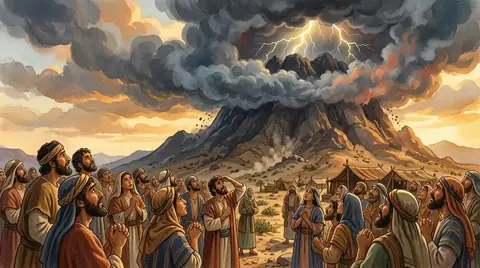 Place · MountainSinaiThe mountain where God came down in fire and smoke, spoke the Ten Commandments, and made his covenant with Israel. The…
Written for this app in its own words, from the Bible, with the facts checked against Bible dictionaries and encyclopedias: Easton's, Smith's, Fausset's, ISBE, Holman, the New Bible Dictionary, Vine's and the Thompson Chain topics. Also: Edersheim, The Temple: Its Ministry and Services.
