
Place · Empire
Assyria
a-SEER-ee-aalso Asshur · today northern Iraq
The land and empire on the upper Tigris whose capital was Nineveh. Assyria crushed the northern kingdom of Israel in 722 BC but was turned back from Jerusalem, and fell itself in 612 BC.
- Where
- The upper Tigris valley, north of Babylonia; today the north of Iraq
- Capital
- Nineveh; earlier the city of Asshur
- Kings in the Bible
- Pul (Tiglath-pileser), Shalmaneser, Sargon, Sennacherib, Esarhaddon
- Fell
- 612 BC, to the Babylonians and Medes, as Nahum foretold
Where
Assyria lay along the river Tigris in the hill country north of Babylon, in what is now northern Iraq. It took its name from Asshur, its first capital and its god. Genesis says that Nimrod went out from Shinar into this land and built Nineveh (Genesis 10:11), and that the Tigris, one of the rivers of Eden, ran east of it (Genesis 2:14).
The empire
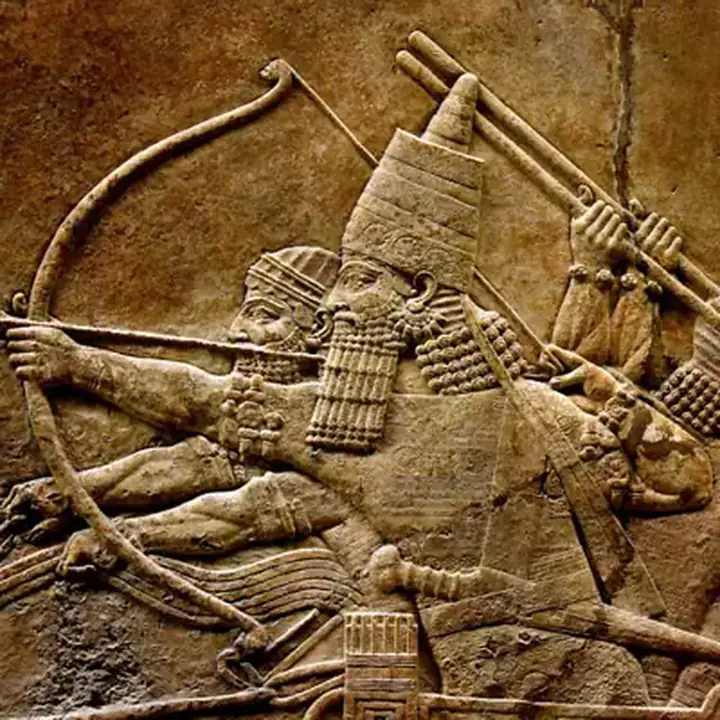
From about 900 BC the Assyrians built the largest empire the world had yet seen, by an army that was feared for its cruelty. Conquered peoples were deported to far parts of the empire so that they could not rebel. Israel first met this power when Pul, better known as Tiglath-pileser III, took a thousand talents of silver from King Menahem (2 Kings 15:19–20). A few years later he carried off the tribes east of the Jordan and Galilee (2 Kings 15:29). King Ahaz of Judah sent him gold and silver to come and rescue him from Syria and Israel, and became his servant (2 Kings 16:7–9).
In 722 BC Shalmaneser and Sargon took Samaria after a three-year siege and carried the people of Israel away to Assyria. Foreigners were settled in their place, the beginning of the Samaritans (2 Kings 17:5–6,24).
Turned back from Jerusalem
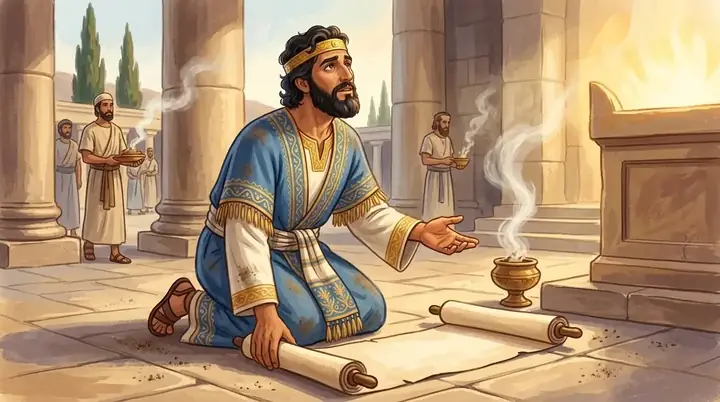
In 701 BC Sennacherib overran Judah and sent his officers to demand Jerusalem's surrender. King Hezekiah spread the threatening letter out before the LORD, and Isaiah promised that the king would never enter the city. That night the angel of the LORD struck 185,000 men in the Assyrian camp, and Sennacherib went home to be murdered by his sons (2 Kings 19:14–37). Isaiah called Assyria "the rod of mine anger", a tool God used and then broke (Isaiah 10:5–12).
The end
Jonah had been sent to Nineveh and the city had repented for a time, but a century later Nahum foretold its destruction. Nineveh fell to the Babylonians and Medes in 612 BC, and the empire vanished so completely that its sites were lost until modern times. See also The Assyrians and Nineveh.
Key verses
- 2 Kings 17:5–6
Then the king of Assyria came up throughout all the land, and went up to Samaria, and besieged it three years. In the ninth year of Hoshea the king of Assyria took Samaria, and carried Israel away into Assyria, and placed them in Halah and in Habor by the river of Gozan, and in the cities of the Medes.
- 2 Kings 19:35
And it came to pass that night, that the angel of the Lord went out, and smote in the camp of the Assyrians an hundred fourscore and five thousand: and when they arose early in the morning, behold, they were all dead corpses.
- Isaiah 10:5
O Assyrian, the rod of mine anger, and the staff in their hand is mine indignation.
- Jonah 1:2
Arise, go to Nineveh, that great city, and cry against it; for their wickedness is come up before me.
- Nahum 3:7
And it shall come to pass, that all they that look upon thee shall flee from thee, and say, Nineveh is laid waste: who will bemoan her? whence shall I seek comforters for thee?
On the map
Mentioned in 136 verses
- Genesis 3
- Numbers 2
- 2 Kings 41
- 1 Chronicles 2
- 2 Chronicles 13
- Ezra 2
- Nehemiah 1
- Psalms 1
- Isaiah 41
- Jeremiah 4
- Lamentations 1
- Ezekiel 9
- Hosea 9
- Micah 3
- Nahum 1
- Zephaniah 1
- Zechariah 2
Read next
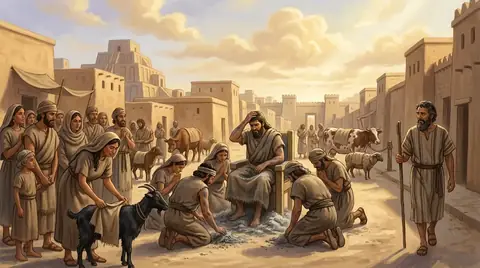 Place · CityNinevehThe last and greatest capital of Assyria, on the Tigris. Jonah preached there and the whole city repented; a century…Person · KingSargonA powerful king of Assyria, named once in the Bible, when his army commander captured the Philistine city of Ashdod. He…
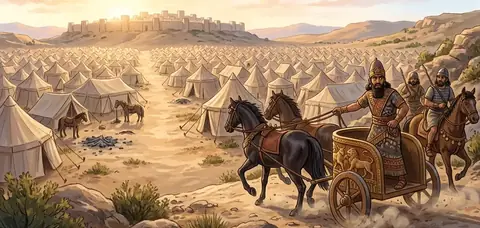 PersonSennacheribThe king of Assyria who invaded Judah in Hezekiah's reign and threatened Jerusalem. God answered Hezekiah's prayer…
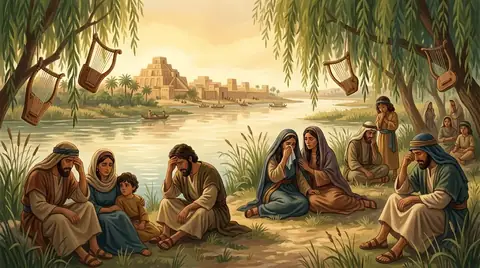 Place · CityBabylonThe great city on the Euphrates where the tower of Babel was built. Under Nebuchadnezzar it ruled the world, destroyed…
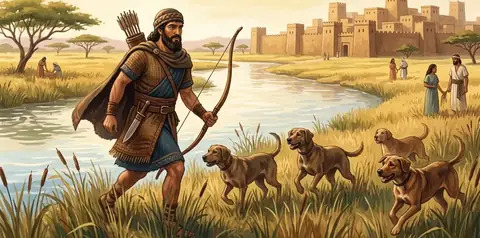 PersonNimrodA great-grandson of Noah, "a mighty hunter before the LORD", who became the first great ruler on earth and founded…
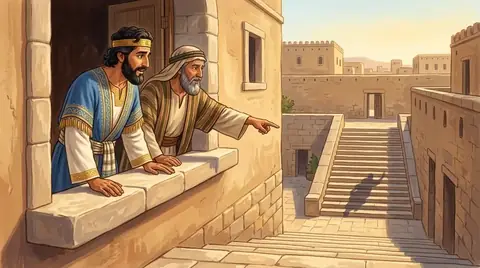 Person · KingAhazA wicked king of Judah who sacrificed his own son, shut the temple, and paid Assyria for help instead of trusting God.…
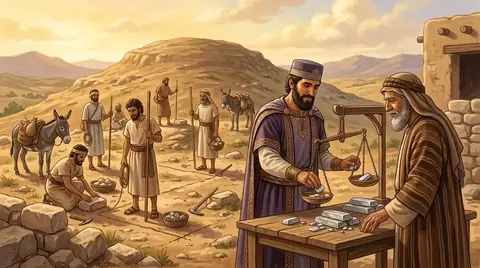 Place · City and regionSamariaThe hill city Omri built as capital of the northern kingdom of Israel. It saw Ahab and Jezebel, Elijah and Elisha…
 Group · PeopleSamaritansThe mixed people of central Israel, descended from Israelites left behind by the Assyrians and settlers brought in from…
Written for this app in its own words, from the Bible, with the facts checked against Bible dictionaries and encyclopedias: Easton's, Smith's, Fausset's, ISBE, Holman, the New Bible Dictionary, Vine's and the Thompson Chain topics. People and places: STEPBible.org (TIPNR), CC BY 4.0; where a place is today and its photo: OpenBible.info, CC BY 4.0.
