
Place · City and region
Samaria
Capital of the northern kingdom from about 880 BC · today Sebastia, near Nablus
The hill city Omri built as capital of the northern kingdom of Israel. It saw Ahab and Jezebel, Elijah and Elisha, sieges and famine, and fell to Assyria in 722 BC. Later the whole region took its name.
- Where
- On a lone hill in the central highlands, about 7 miles (11 km) north-west of Shechem
- Built by
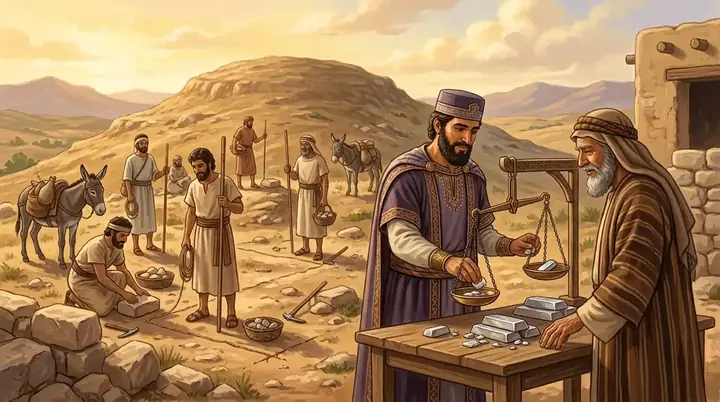
- King Omri, who bought the hill from Shemer for two talents of silver (1 Kings 16:24)
- Fell
- To the Assyrians in 722 BC after a three-year siege (2 Kings 17:5–6)
- Today
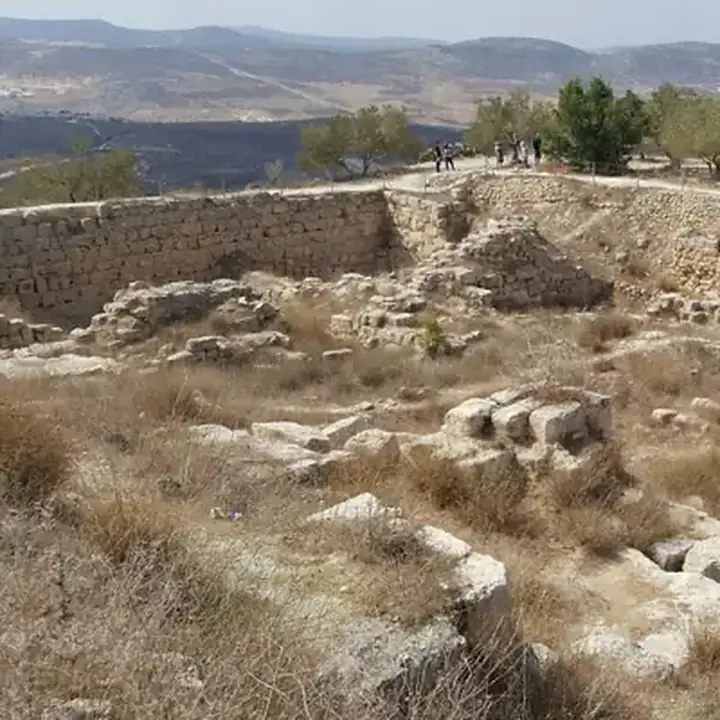
- The village of Sebastia in the West Bank, with Roman ruins on the hilltop
Where
Samaria stood on a high, round-topped hill that rises alone from a wide valley in the middle of the hill country of Ephraim. From its flat summit you can see the Mediterranean. Steep sides made it easy to defend, and it had good land all round. It lay just off the main road north from Jerusalem to Galilee, and the region around it, the heart of the old kingdom of Israel, came to be called Samaria too.
In the Old Testament
Omri, the sixth king of the north, bought the hill and built his new capital on it, naming it after its old owner (1 Kings 16:24). His son Ahab built a palace of ivory there and a temple to Baal for his queen Jezebel (1 Kings 16:32). Elijah confronted Ahab in Naboth's vineyard in the city, and Ahab's blood was later washed from his chariot at its pool, as the prophet had said (1 Kings 21; 1 Kings 22:38). The Syrian king Ben-hadad besieged Samaria twice in Ahab's time and lost (1 Kings 20). In Jehoram's day another siege brought such famine that a donkey's head sold for eighty pieces of silver and mothers ate their children; then God made the Syrian army hear chariots in the night and flee, and the city was fed from their camp, just as Elisha had promised (2 Kings 6:24–7:20). Jehu slaughtered the priests of Baal there and pulled his temple down (2 Kings 10:18–28), but the idolatry went on, and Amos and Hosea warned the comfortable rich of Samaria that God's patience was ending. In 722 BC the Assyrians took the city after three years and carried the people away (2 Kings 17:5–6). Foreigners were settled in their place, and from them came the Samaritans.
In the New Testament
Herod the Great rebuilt the city in splendour and renamed it Sebaste in honour of the emperor Augustus. Jesus passed through the region and talked with a woman at Jacob's well nearby (John 4). After Stephen's death Philip went down to "the city of Samaria" and preached Christ, with great joy in the city; Peter and John followed to pray for the new believers (Acts 8:5–25). So the Lord's words came true: "witnesses unto me ... in Samaria" (Acts 1:8).
Today
The village of Sebastia keeps the Roman name. On the hill above it lie the remains of Omri's and Ahab's palaces, where carved ivories have been dug up, and rows of Roman columns from Herod's city.
Key verses
- 1 Kings 16:24
And he bought the hill Samaria of Shemer for two talents of silver, and built on the hill, and called the name of the city which he built, after the name of Shemer, owner of the hill, Samaria.
- 1 Kings 16:32
And he reared up an altar for Baal in the house of Baal, which he had built in Samaria.
- 2 Kings 7:1
Then Elisha said, Hear ye the word of the Lord; Thus saith the Lord, To morrow about this time shall a measure of fine flour be sold for a shekel, and two measures of barley for a shekel, in the gate of Samaria.
- 2 Kings 17:5–6
Then the king of Assyria came up throughout all the land, and went up to Samaria, and besieged it three years. In the ninth year of Hoshea the king of Assyria took Samaria, and carried Israel away into Assyria, and placed them in Halah and in Habor by the river of Gozan, and in the cities of the Medes.
- Acts 8:5
Then Philip went down to the city of Samaria, and preached Christ unto them.
On the map
Mentioned in 124 verses
- 1 Kings 17
- 2 Kings 45
- 2 Chronicles 8
- Ezra 2
- Nehemiah 1
- Isaiah 7
- Jeremiah 3
- Ezekiel 6
- Hosea 6
- Amos 5
- Obadiah 1
- Micah 3
- Matthew 1
- Luke 4
- John 7
- Acts 8
Read next
 PlaceShechemAn ancient city in the heart of Canaan, between Mount Ebal and Mount Gerizim. Abraham built his first altar there…
 Person · KingOmriAn army commander who seized the throne of Israel, built Samaria as its new capital and founded a powerful dynasty.…
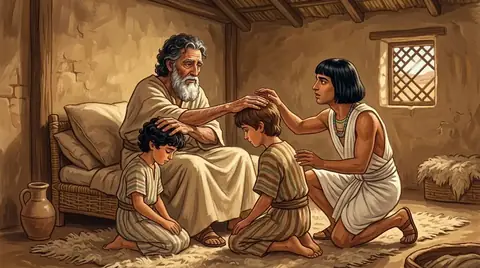 Person · TribeEphraimJoseph's second son, whom Jacob blessed ahead of his older brother. His tribe became the strongest in the north, and…
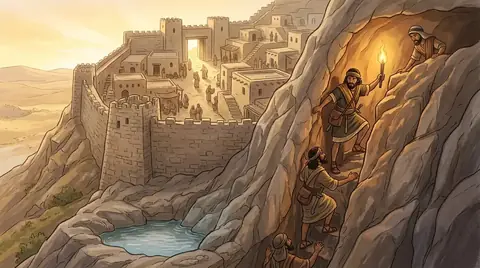 PlaceJerusalemThe city David made his capital and where Solomon built the temple. Jesus died and rose there and the church began…
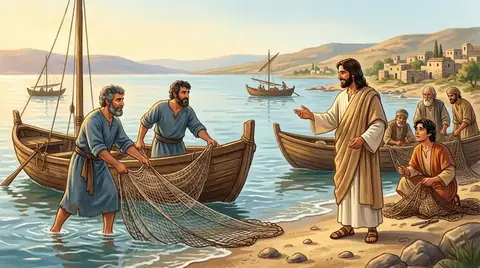 Place · RegionGalileeThe hill country of northern Israel, west of the lake that bears its name. Jesus grew up there, chose his disciples…
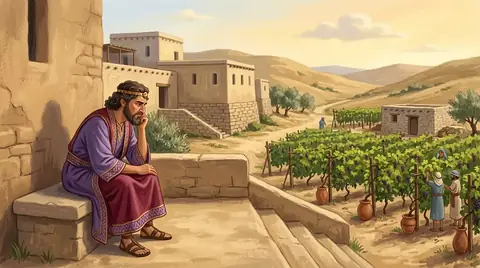 Person · KingAhabThe seventh king of the northern kingdom of Israel, who married Jezebel and led the nation into Baal worship. He…
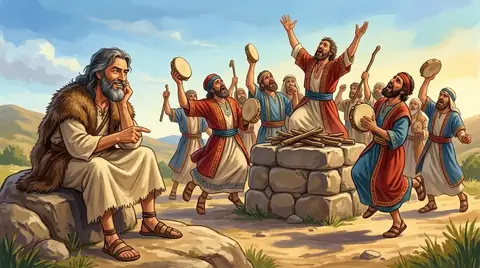 IdolBaalThe Canaanites' chief god, a storm god believed to send rain and harvests. Israel kept falling into his worship, until…
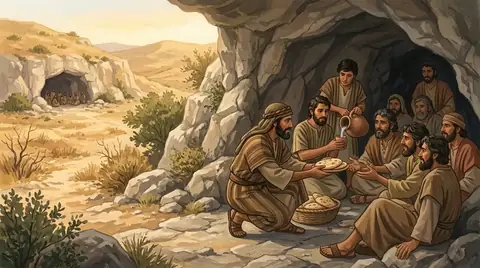 PersonJezebelAhab's foreign queen, who brought Baal worship to Israel, killed the LORD's prophets and had Naboth stoned for his…
Written for this app in its own words, from the Bible, with the facts checked against Bible dictionaries and encyclopedias: Easton's, Smith's, Fausset's, ISBE, Holman, the New Bible Dictionary, Vine's and the Thompson Chain topics. People and places: STEPBible.org (TIPNR), CC BY 4.0; where a place is today and its photo: OpenBible.info, CC BY 4.0.
