
Nation
The Assyrians
the empire of the north, about 900–612 BC
The warlike people of Nineveh whose empire swallowed the northern kingdom of Israel. God used them to punish his people, spared them when Nineveh repented, and finally destroyed them.
- Homeland
- Assyria, on the upper Tigris; capital Nineveh
- Known for
- Cruelty in war, deporting whole nations, the siege of Samaria
- In Israel's story
- Took Israel captive 722 BC; turned back from Jerusalem 701 BC
Who they were
The Assyrians were the great power of the Near East in the days of the kings of Israel and Judah. Their armies were the best of the age, and their kings boasted of the cities they burned and the captives they flayed and impaled. Whole peoples were uprooted and moved across the empire. To the small kingdoms in their path, the Assyrians were terror itself.
What they did to Israel
Israel and Judah lived in Assyria's shadow for over a century. Pul took tribute from Menahem (2 Kings 15:19–20); Tiglath-pileser carried off Galilee and Gilead (2 Kings 15:29); Shalmaneser besieged Samaria, and in 722 BC the northern kingdom was ended and its people deported (2 Kings 17:3–6). Hosea had warned it would happen because Israel trusted Assyria instead of God (Hosea 5:13; Hosea 11:5).
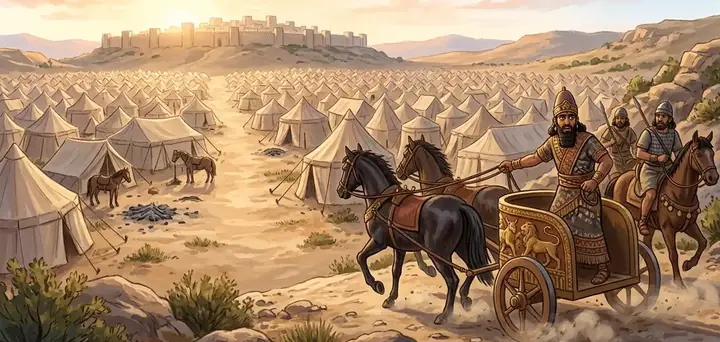
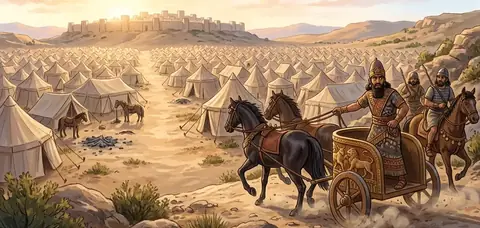
Twenty years later Sennacherib came against Judah, took its walled towns and mocked Hezekiah's God at the gate of Jerusalem. God answered: in one night 185,000 Assyrians died in their camp, and the king went home (2 Kings 18:13–19:37).
God's rod and God's mercy
Isaiah explained what was happening. Assyria was "the rod of mine anger", a stick in God's hand to punish his people; but the stick thought it was swinging itself, and when God had finished with it he would break it (Isaiah 10:5–19). Yet God also cared about the Assyrians. He sent Jonah to Nineveh, and the whole city, king and cattle alike, put on sackcloth and was spared (Jonah 3:1–10).
Their end
The mercy was not lasting. Nahum's whole book is a judgment on "the bloody city", and in 612 BC Nineveh fell to the Babylonians and Medes and was never rebuilt (Nahum 3:1–19). Isaiah looked beyond even this to a day when Assyria, Egypt and Israel would worship God together (Isaiah 19:23–25).
Key verses
- 2 Kings 17:6
In the ninth year of Hoshea the king of Assyria took Samaria, and carried Israel away into Assyria, and placed them in Halah and in Habor by the river of Gozan, and in the cities of the Medes.
- 2 Kings 19:35
And it came to pass that night, that the angel of the Lord went out, and smote in the camp of the Assyrians an hundred fourscore and five thousand: and when they arose early in the morning, behold, they were all dead corpses.
- Isaiah 10:5
O Assyrian, the rod of mine anger, and the staff in their hand is mine indignation.
- Jonah 3:10
And God saw their works, that they turned from their evil way; and God repented of the evil, that he had said that he would do unto them; and he did it not.
- Nahum 3:1
Woe to the bloody city! it is all full of lies and robbery; the prey departeth not;
On the map
Read next
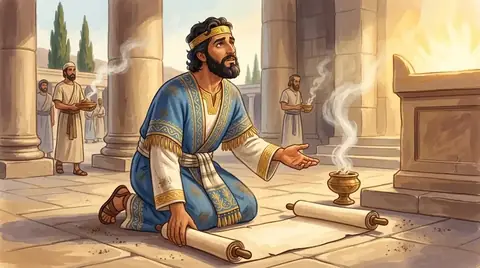 Place · EmpireAssyriaThe land and empire on the upper Tigris whose capital was Nineveh. Assyria crushed the northern kingdom of Israel in…
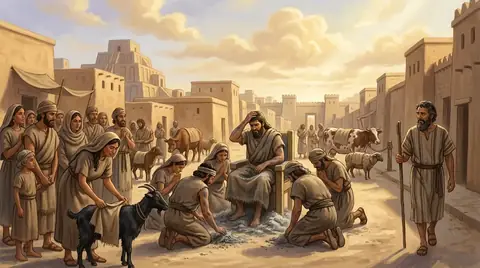 Place · CityNinevehThe last and greatest capital of Assyria, on the Tigris. Jonah preached there and the whole city repented; a century…
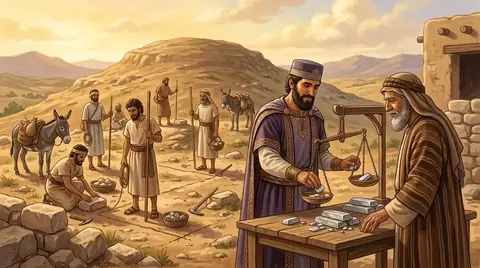 Place · City and regionSamariaThe hill city Omri built as capital of the northern kingdom of Israel. It saw Ahab and Jezebel, Elijah and Elisha…
 PersonSennacheribThe king of Assyria who invaded Judah in Hezekiah's reign and threatened Jerusalem. God answered Hezekiah's prayer…Person · KingHezekiahOne of Judah's best kings. He cleansed the temple, smashed the idols, trusted God when Assyria besieged Jerusalem, and…
 Person · ProphetIsaiahThe prophet of Jerusalem who served four kings, saw the LORD on his throne, and foretold the virgin's son, the…
 PersonJonahThe prophet who ran from God's call to preach at Nineveh, was swallowed by a great fish, and then sulked when the city…
Written for this app in its own words, from the Bible, with the facts checked against Bible dictionaries and encyclopedias: Easton's, Smith's, Fausset's, ISBE, Holman, the New Bible Dictionary, Vine's and the Thompson Chain topics.
