
Teaching
Tradition
Teaching handed down from one generation to the next
Teaching handed down by word of mouth. Jesus condemned the traditions of the elders when they overrode God's word; Paul used the same word for the apostles' teaching, which the churches were to keep.
- Greek
- paradosis, something handed over
- Bad
- The "tradition of the elders" (Mark 7:3–13; Colossians 2:8; 1 Peter 1:18)
- Good
- The apostles' teaching (1 Corinthians 11:2; 2 Thessalonians 2:15; 2 Thessalonians 3:6)
The traditions of the elders
By the time of Jesus the teachers of Israel had built up a great body of rules that were not in the Law of Moses: how to wash the hands before eating, how to rinse cups and pots, what counted as work on the Sabbath (Mark 7:3–4). They were passed on from teacher to pupil and later written down in the Mishnah. The Pharisees held them as binding as Scripture, and Paul, before his conversion, was more zealous for them than any of his fellows (Galatians 1:14).
What Jesus said
When the Pharisees asked why his disciples ate with unwashed hands, Jesus answered with Isaiah: "in vain do they worship me, teaching for doctrines the commandments of men" (Mark 7:6–7). Then he gave an example. The Law said to honour your father and mother, but tradition let a man declare his property "Corban", a gift to God, and so refuse to use it to support his parents. "Ye reject the commandment of God, that ye may keep your own tradition" (Mark 7:9–13; Matthew 15:2–9). Paul warned the Colossians not to be captured by philosophy and empty deceit "after the tradition of men" (Colossians 2:8), and Peter reminded his readers that they had been bought out of the useless way of life handed down from their fathers (1 Peter 1:18).
Tradition in a good sense
The word itself is not bad. Paul praised the Corinthians for keeping the "ordinances", literally traditions, as he had delivered them (1 Corinthians 11:2), and told the Thessalonians to "hold the traditions" they had been taught, whether by word or by letter (2 Thessalonians 2:15; 2 Thessalonians 3:6). This was the gospel he had himself received and passed on (1 Corinthians 15:3): the apostles' teaching, now written in the New Testament.
For us
Every church has customs, and many are good. The test Jesus gave is whether a custom serves God's word or quietly takes its place. What the apostles handed down is to be kept; what men have added is to be weighed against it.
Key verses
- Mark 7:8–9
For laying aside the commandment of God, ye hold the tradition of men, as the washing of pots and cups: and many other such like things ye do. And he said unto them, Full well ye reject the commandment of God, that ye may keep your own tradition.
- Mark 7:13
Making the word of God of none effect through your tradition, which ye have delivered: and many such like things do ye.
- Colossians 2:8
Beware lest any man spoil you through philosophy and vain deceit, after the tradition of men, after the rudiments of the world, and not after Christ.
- 2 Thessalonians 2:15
Therefore, brethren, stand fast, and hold the traditions which ye have been taught, whether by word, or our epistle.
Read next
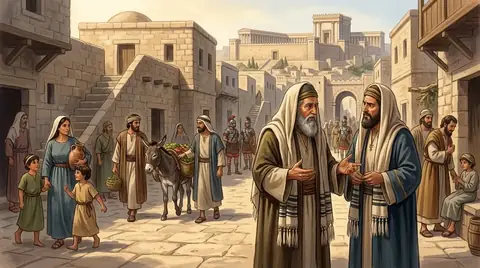 GroupPhariseesThe most exacting of the Jewish religious parties in Jesus' day, devoted to keeping the Law and the traditions added to…
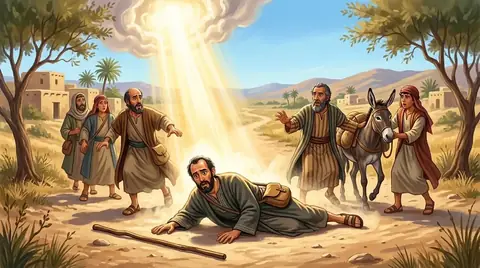 PersonPaulA Pharisee who hated the church until the risen Jesus met him on the road to Damascus. He became the apostle to the…Custom · WorshipCorbanA Hebrew word meaning a gift given to God. Some used it as an escape: by declaring their money "corban" they refused to…
Written for this app in its own words, from the Bible, with the facts checked against Bible dictionaries and encyclopedias: Easton's, Smith's, Fausset's, ISBE, Holman, the New Bible Dictionary, Vine's and the Thompson Chain topics.
