
Group
Pharisees
FAIR-ih-seesThe name means "the separated ones"
The most exacting of the Jewish religious parties in Jesus' day, devoted to keeping the Law and the traditions added to it. Most opposed Jesus, who called them hypocrites, though some, like Nicodemus and Paul, became believers.
- Believed
- The whole Old Testament, the resurrection, angels and spirits, the "tradition of the elders"
- Rivals
- The Sadducees, priestly and worldly, who denied the resurrection
- Famous Pharisees
- Nicodemus, Gamaliel, Paul
- Key verse
- "Except your righteousness shall exceed the righteousness of the scribes and Pharisees…" (Matthew 5:20)
Who they were
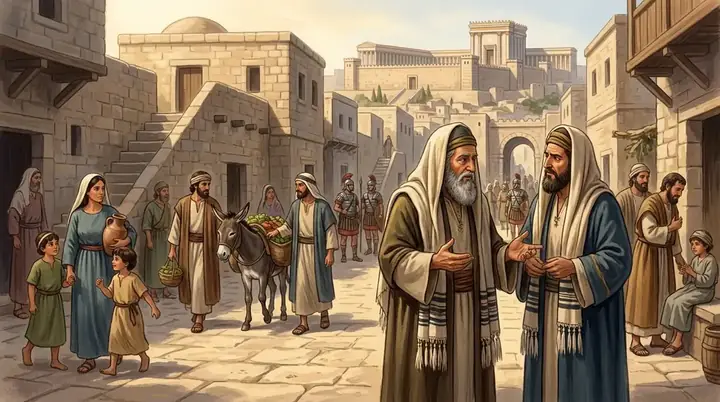
The Pharisees began, it seems, in the centuries between the Testaments, when Greek rulers tried to stamp out Jewish faith. They were the "separated", men who set themselves apart from everything pagan and unclean to keep the Law exactly. Around the Law they built a hedge of extra rules, the "tradition of the elders", on the Sabbath, on tithing even garden herbs, on washing hands and cups (Mark 7:1–4). Unlike the Sadducees they believed in the resurrection, in angels and in the life to come (Acts 23:8), and the common people respected them. There were perhaps six thousand of them, and many of the scribes belonged to the party.
Jesus and the Pharisees
Pharisees watched Jesus from the start. They objected when he ate with sinners, when his disciples picked grain on the Sabbath, when he healed a withered hand (Matthew 12:1–14). He answered that God wants mercy, not sacrifice, and that their traditions had made the word of God of no effect (Matthew 15:3–9). In the fiercest words he ever spoke, he called them hypocrites, blind guides, whitewashed tombs: careful about the outside of the cup while inside were greed and self-indulgence, tithing mint and anise and leaving out justice, mercy and faith (Matthew 23). His parable of the Pharisee and the tax collector showed the trouble: a man who thanked God he was not like other men went home unforgiven (Luke 18:9–14). Along with the chief priests, the Pharisees plotted his death (John 11:47–53).
Not all the same
Yet Nicodemus came to Jesus by night and later helped bury him; Pharisees invited Jesus to dinner (Luke 7:36; 14:1); Gamaliel defended the apostles (Acts 5:34); and some Pharisees joined the church (Acts 15:5). The greatest of them, Saul of Tarsus, "a Pharisee, the son of a Pharisee", counted it all loss when he found Christ (Acts 23:6; Philippians 3:5–8).
What to learn
The Pharisees are a warning for religious people. They loved the Bible and tried hard to be good, and ended up trusting their own goodness and missing the Saviour. Jesus said our righteousness must go beyond theirs (Matthew 5:20): not more rules, but a new heart.
Key verses
- Matthew 5:20
For I say unto you, That except your righteousness shall exceed the righteousness of the scribes and Pharisees, ye shall in no case enter into the kingdom of heaven.
- Matthew 23:23–28
Woe unto you, scribes and Pharisees, hypocrites! for ye pay tithe of mint and anise and cummin, and have omitted the weightier matters of the law, judgment, mercy, and faith: these ought ye to have done, and not to leave the other undone. Ye blind guides, which strain at a gnat, and swallow a camel. Woe unto you, scribes and Pharisees, hypocrites! for ye make clean the outside of the cup and of the platter, but within they are full of extortion and excess. …
- Mark 7:6–9
He answered and said unto them, Well hath Esaias prophesied of you hypocrites, as it is written, This people honoureth me with their lips, but their heart is far from me. Howbeit in vain do they worship me, teaching for doctrines the commandments of men. For laying aside the commandment of God, ye hold the tradition of men, as the washing of pots and cups: and many other such like things ye do. …
- Luke 18:9–14
And he spake this parable unto certain which trusted in themselves that they were righteous, and despised others: Two men went up into the temple to pray; the one a Pharisee, and the other a publican. The Pharisee stood and prayed thus with himself, God, I thank thee, that I am not as other men are, extortioners, unjust, adulterers, or even as this publican. …
- John 3:1
There was a man of the Pharisees, named Nicodemus, a ruler of the Jews:
- Philippians 3:5–8
Circumcised the eighth day, of the stock of Israel, of the tribe of Benjamin, an Hebrew of the Hebrews; as touching the law, a Pharisee; Concerning zeal, persecuting the church; touching the righteousness which is in the law, blameless. But what things were gain to me, those I counted loss for Christ. …
Read next
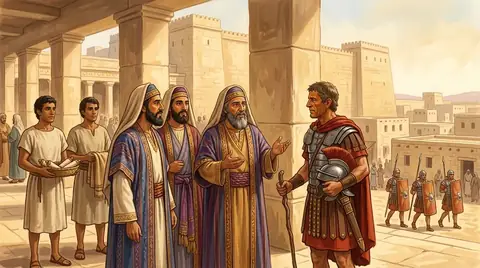 Group · Jewish partySadduceesThe wealthy priestly party that ran the temple in Jesus' day. They held only to the written Law, denied any…
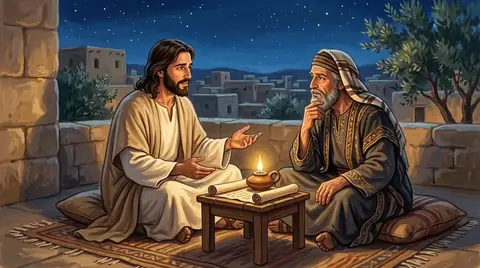 PersonNicodemusThe Pharisee who came to Jesus by night and was told he must be born again. He later spoke up for Jesus in the council…
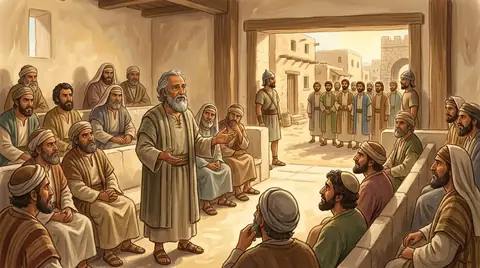 PersonGamalielThe most respected rabbi of his day, Paul's teacher, who persuaded the Jewish council not to kill the apostles: if…
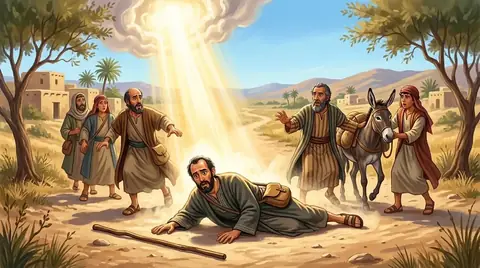 PersonPaulA Pharisee who hated the church until the risen Jesus met him on the road to Damascus. He became the apostle to the…
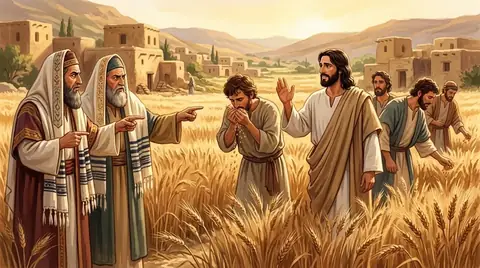 Custom · Day of restThe SabbathThe seventh day of the week, kept holy for rest and worship because God rested after creation. It was the sign of God's…
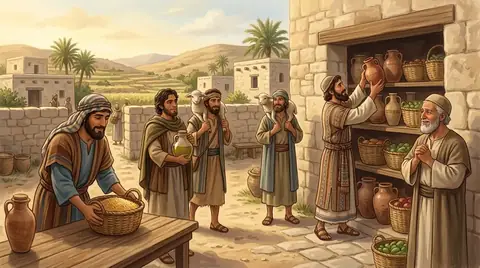 Custom · WorshipTithesA tenth of the harvest and the herds, given to God. Under the Law the tithe supported the Levites and the priests, paid…
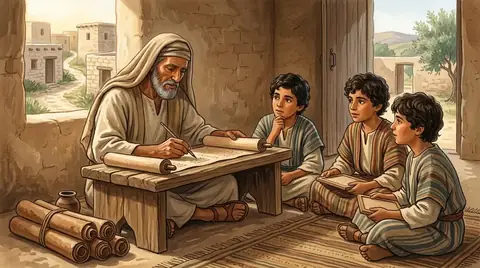 GroupScribes (teachers of the law)Men who copied the Law of Moses, studied it and taught how it applied to daily life. In Jesus' day most were Pharisees…
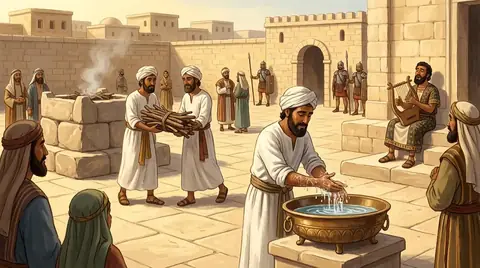 Custom · WorshipThe priestsAaron's descendants, set apart to offer the sacrifices, burn the incense, pronounce the blessing and teach the law.…
Written for this app in its own words, from the Bible, with the facts checked against Bible dictionaries and encyclopedias: Easton's, Smith's, Fausset's, ISBE, Holman, the New Bible Dictionary, Vine's and the Thompson Chain topics. Also: Josephus, Antiquities; Edersheim, Sketches of Jewish Social Life.
