
Teaching · Title of Christ
The Prophet (like unto Moses)
Also: prophets, seers, the schools of the prophets
A prophet is a person who speaks God's words. Moses promised a Prophet like himself whom Israel must hear; the Jews waited for him, and Peter said he had come in Jesus.
- Words
- Hebrew nabi, a spokesman; roeh and hozeh, a seer (1 Samuel 9:9; 1 Chronicles 29:29)
- Great prophets
- Moses, Samuel, Elijah, Elisha, Isaiah, Jeremiah, Daniel; John the Baptist the last and greatest before Christ (Matthew 11:11)
- Prophetesses
- Miriam, Deborah, Huldah, Anna
- False prophets
- Tested by whether their word came true and whether it led to the LORD (Deuteronomy 13:1–5; Deuteronomy 18:20–22)
What a prophet was
A prophet was God's mouth. The LORD put his words in the prophet's mouth, and the prophet said them, whether or not the people wanted to hear (Jeremiah 1:9; Ezekiel 2:7). Foretelling the future was part of it, but most of what the prophets said was a call to turn back to God: to stop idolatry, injustice and empty worship. Earlier they were called seers, because they saw what God showed them (1 Samuel 9:9). Abraham is the first man the Bible calls a prophet (Genesis 20:7); Moses was the greatest, for God spoke with him "face to face" (Deuteronomy 34:10). From Samuel's day there were companies of prophets, "sons of the prophets", who lived and learned together at Ramah, Bethel, Gilgal and Jericho (1 Samuel 19:20; 2 Kings 2:3–5; 2 Kings 4:38). Prophets were often hated and sometimes killed (Matthew 23:37), and false prophets, who said what kings wished to hear, were always more popular (1 Kings 22:6–8).
The Prophet like Moses
Before he died, Moses told Israel that the LORD would raise up from among them "a Prophet like unto me; unto him ye shall hearken", and that God would require it of anyone who refused (Deuteronomy 18:15–19). No prophet after him matched him (Deuteronomy 34:10), and the promise stayed open. By Jesus' day the people were waiting for "that prophet": the priests asked John the Baptist whether he was he (John 1:21), and after the feeding of the five thousand the crowd said, "This is of a truth that prophet that should come into the world" (John 6:14). Peter told the temple crowd plainly that Moses had meant Jesus (Acts 3:22–23), and Stephen said the same (Acts 7:37).
Why Jesus is the Prophet
Jesus was like Moses in many ways: rescued as a baby from a king's slaughter, a deliverer, a lawgiver on a mountain, a mediator who went between God and the people and fed them in the wilderness. But he was more than a spokesman. He did not say "Thus saith the LORD"; he said "Verily I say unto you". God, who had spoken through the prophets, "hath in these last days spoken unto us by his Son" (Hebrews 1:1–2), the Word himself made flesh (John 1:14). At the transfiguration, with Moses and Elijah standing by, the Father's voice said, "This is my beloved Son... hear ye him" (Matthew 17:5), the very command of Deuteronomy 18.
Prophets in the church
God still gave prophets to the early church, such as Agabus (Acts 11:28; Acts 21:10) and the daughters of Philip (Acts 21:9), and Paul counted prophecy among the Spirit's gifts (1 Corinthians 12:28; 1 Corinthians 14). But the Prophet has spoken, and the church is built on "the foundation of the apostles and prophets, Jesus Christ himself being the chief corner stone" (Ephesians 2:20).
Key verses
- Deuteronomy 18:15
The Lord thy God will raise up unto thee a Prophet from the midst of thee, of thy brethren, like unto me; unto him ye shall hearken;
- Acts 3:22–23
For Moses truly said unto the fathers, A prophet shall the Lord your God raise up unto you of your brethren, like unto me; him shall ye hear in all things whatsoever he shall say unto you. And it shall come to pass, that every soul, which will not hear that prophet, shall be destroyed from among the people.
- John 6:14
Then those men, when they had seen the miracle that Jesus did, said, This is of a truth that prophet that should come into the world.
- Hebrews 1:1–2
God, who at sundry times and in divers manners spake in time past unto the fathers by the prophets, Hath in these last days spoken unto us by his Son, whom he hath appointed heir of all things, by whom also he made the worlds;
- Matthew 17:5
While he yet spake, behold, a bright cloud overshadowed them: and behold a voice out of the cloud, which said, This is my beloved Son, in whom I am well pleased; hear ye him.
Read next
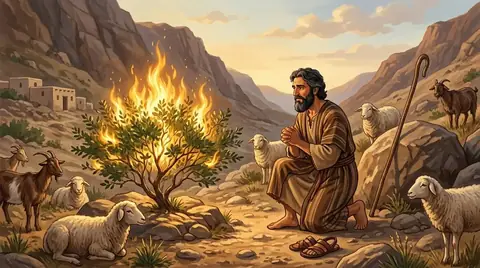 PersonMosesThe man God used to bring Israel out of Egypt, give them his Law at Sinai, and lead them for forty years in the…
 Person · Prophet and judgeSamuelThe prophet who led Israel from the time of the judges into the time of the kings. Given to God by his mother Hannah…
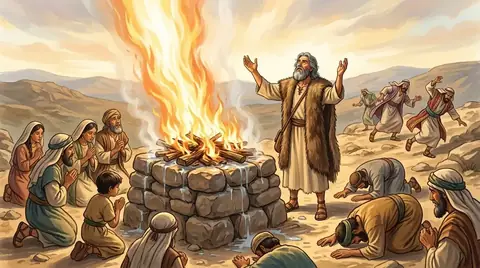 PersonElijahThe fiery prophet who stood alone against King Ahab and the prophets of Baal, called down fire on Mount Carmel, and was…
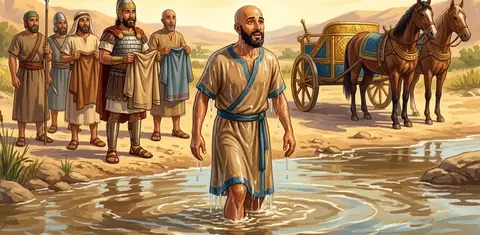 PersonElishaElijah's successor, a farmer's son who asked for a double share of his master's spirit and received it. His long…
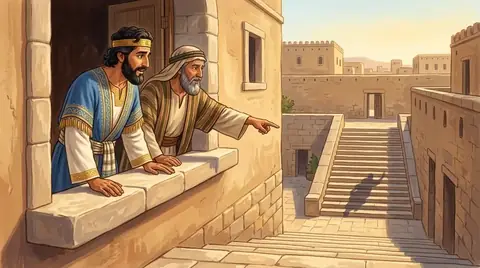 Person · ProphetIsaiahThe prophet of Jerusalem who served four kings, saw the LORD on his throne, and foretold the virgin's son, the…
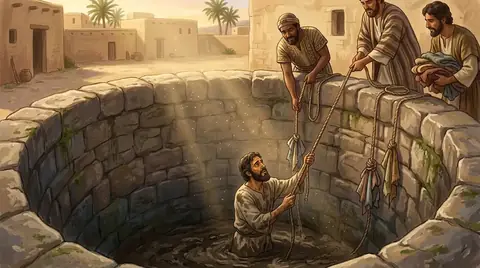 PersonJeremiahThe prophet who warned Judah for forty years that Babylon was coming, and wept as it came. He was beaten, put in the…
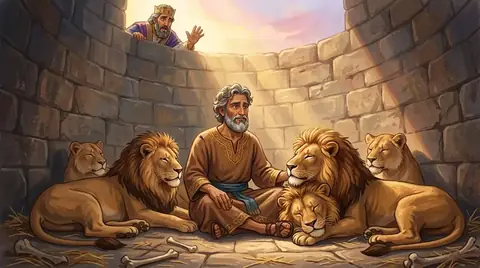 Person · ProphetDanielA young noble of Judah carried off to Babylon, who served four kings with wisdom and never bent his faith. God gave him…
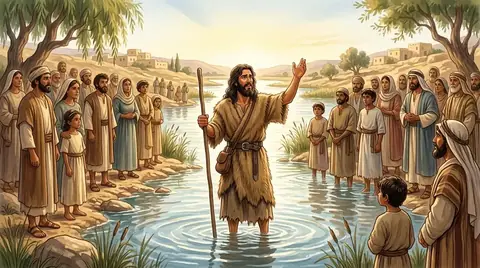 PersonJohn the BaptistThe prophet God sent to prepare the way for Jesus. He called Israel to repent, baptized in the Jordan, pointed to Jesus…
Written for this app in its own words, from the Bible, with the facts checked against Bible dictionaries and encyclopedias: Easton's, Smith's, Fausset's, ISBE, Holman, the New Bible Dictionary, Vine's and the Thompson Chain topics.
