
Nation
The peoples of Canaan
The seven nations of the land before Israel
The nations living in Canaan before Israel came: the Canaanites, Amorites, Hittites, Hivites, Perizzites, Jebusites and Girgashites. God gave their land to Israel when their wickedness was full.
- The seven
- Canaanites, Amorites, Hittites, Hivites, Perizzites, Jebusites and Girgashites (Deuteronomy 7:1)
- Also named
- Kenites, Kenizzites, Kadmonites and Rephaim (Genesis 15:19–21)
- Known for
- Child sacrifice and the worship of Baal and Ashtoreth
Who they were
When God promised Abraham the land, he listed ten peoples who then lived in it (Genesis 15:19–21). By the time of Moses the list had settled to seven, "greater and mightier than thou" (Deuteronomy 7:1). The Canaanites held the coast and the Jordan valley; the Amorites the hill country; the Hittites were around Hebron; the Hivites in the north and at Gibeon; the Perizzites in the open country; the Jebusites held Jerusalem; of the Girgashites almost nothing is known. They lived in walled cities, worshipped Baal, Ashtoreth and Molech, and their religion included temple prostitution and burning children (Deuteronomy 12:31).
Why Israel was told to drive them out
God told Abraham that his descendants would not have the land for four hundred years, "for the iniquity of the Amorites is not yet full" (Genesis 15:16). He gave these nations centuries to turn. When Israel came, it was as his instrument of judgment, and Moses warned them not to think it was for their own goodness (Deuteronomy 9:4–5). They were to destroy the altars and idols, make no treaties and marry none of them, or they would learn their ways (Deuteronomy 7:2–5; Deuteronomy 20:16–18).
What happened
Under Joshua the land was conquered, but the tribes did not finish the job. Many Canaanite cities were left, and Israel settled down beside them, married them and bowed to their gods (Judges 1–3). The result was centuries of trouble: the whole book of Judges, and the idolatry that finally brought exile. David took Jerusalem from the Jebusites (2 Samuel 5:6–9), and Solomon made the remaining peoples forced labourers (1 Kings 9:20–21). Yet even after the exile Ezra found Israel still marrying into them (Ezra 9:1–2). Half-finished obedience, the Bible shows, is a snare.
Key verses
- Genesis 15:16–21
But in the fourth generation they shall come hither again: for the iniquity of the Amorites is not yet full. And it came to pass, that, when the sun went down, and it was dark, behold a smoking furnace, and a burning lamp that passed between those pieces. In the same day the Lord made a covenant with Abram, saying, Unto thy seed have I given this land, from the river of Egypt unto the great river, the river Euphrates: …
- Exodus 3:8
And I am come down to deliver them out of the hand of the Egyptians, and to bring them up out of that land unto a good land and a large, unto a land flowing with milk and honey; unto the place of the Canaanites, and the Hittites, and the Amorites, and the Perizzites, and the Hivites, and the Jebusites.
- Deuteronomy 7:1–6
When the Lord thy God shall bring thee into the land whither thou goest to possess it, and hath cast out many nations before thee, the Hittites, and the Girgashites, and the Amorites, and the Canaanites, and the Perizzites, and the Hivites, and the Jebusites, seven nations greater and mightier than thou; And when the Lord thy God shall deliver them before thee; thou shalt smite them, and utterly destroy them; thou shalt make no covenant with them, nor shew mercy unto them: Neither shalt thou make marriages with them; thy daughter thou shalt not give unto his son, nor his daughter shalt thou take unto thy son. …
- Deuteronomy 20:16–18
But of the cities of these people, which the Lord thy God doth give thee for an inheritance, thou shalt save alive nothing that breatheth: But thou shalt utterly destroy them; namely, the Hittites, and the Amorites, the Canaanites, and the Perizzites, the Hivites, and the Jebusites; as the Lord thy God hath commanded thee: That they teach you not to do after all their abominations, which they have done unto their gods; so should ye sin against the Lord your God.
- Joshua 3:10
And Joshua said, Hereby ye shall know that the living God is among you, and that he will without fail drive out from before you the Canaanites, and the Hittites, and the Hivites, and the Perizzites, and the Girgashites, and the Amorites, and the Jebusites.
- Judges 3:5–7
And the children of Israel dwelt among the Canaanites, Hittites, and Amorites, and Perizzites, and Hivites, and Jebusites: And they took their daughters to be their wives, and gave their daughters to their sons, and served their gods. And the children of Israel did evil in the sight of the Lord, and forgat the Lord their God, and served Baalim and the groves.
On the map
Read next
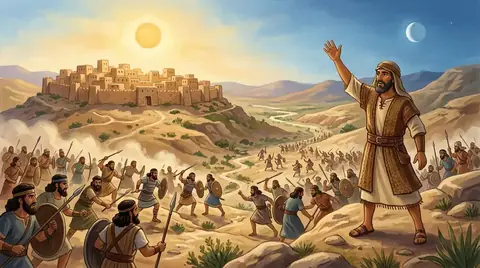 NationAmoritesOne of the chief peoples of Canaan before Israel, living in the hills on both sides of the Jordan. Their kings Sihon…
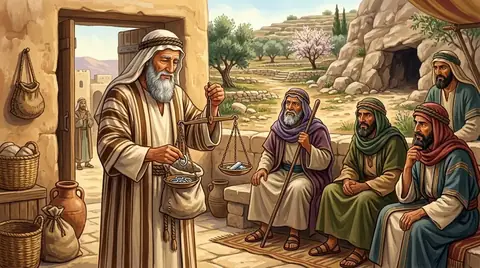 Person · NationHethA son of Canaan in the table of nations and the ancestor of the Hittites, the "children of Heth" who lived around…
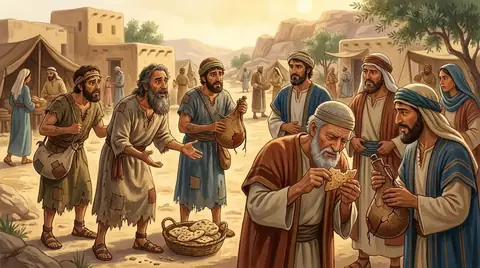 NationHivitesOne of the peoples living in Canaan before Israel, found at Shechem, at Gibeon, and in the far north below Mount…NationPerizzitesOne of the peoples of Canaan before Israel, living in the open country and unwalled villages of the hills. Israel was…
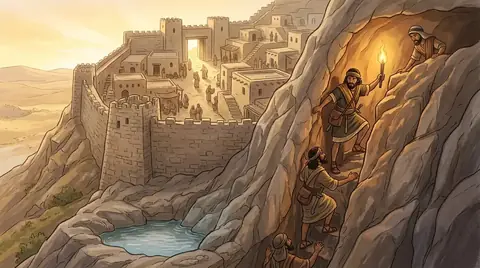 NationJebusitesThe Canaanite people who held Jerusalem, then called Jebus, until David captured it. They kept their hill fortress for…
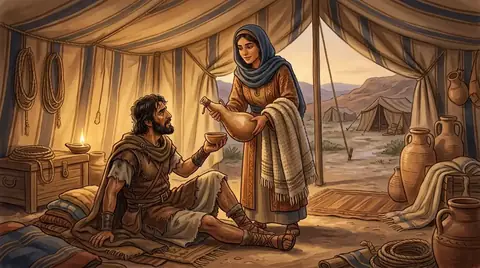 Group · TribeKenitesA nomad tribe of the deserts south of Judah, from whom Moses' father-in-law came. They travelled with Israel into…
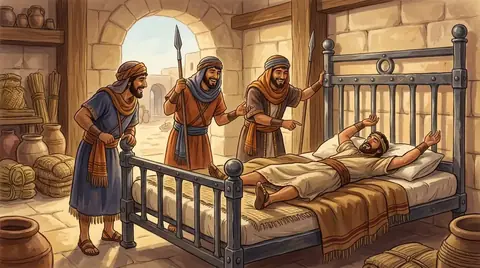 NationRephaimA people of great height who lived in and around Canaan long before Israel came. Og, king of Bashan, was one of the…
Written for this app in its own words, from the Bible, with the facts checked against Bible dictionaries and encyclopedias: Easton's, Smith's, Fausset's, ISBE, Holman, the New Bible Dictionary, Vine's and the Thompson Chain topics.
