
Person
Mordecai
MOR-de-kyOld Testament · about 480 BC, at the Persian court in Shushan
The Jew who raised his cousin Esther, refused to bow to Haman, and with Esther saved the Jews of Persia from being wiped out. He rose to be second to the king.
- Family
- A Benjamite, son of Jair; guardian of his cousin Esther (Esther 2:5–7)
- Where
- Shushan (Susa), the Persian capital
- Known for
- Refusing to bow to Haman; "for such a time as this"; Purim
- Meaning
- Isn't certain; probably from the Babylonian god Marduk
His story
Mordecai lived in Shushan, where many Jews had stayed after the exile. His family had been carried away from Jerusalem with King Jeconiah (Esther 2:5–6). When his uncle's daughter Hadassah, called Esther, was left an orphan, he brought her up as his own. When King Ahasuerus searched for a new queen, Esther was taken into the palace and chosen; on Mordecai's advice she kept her people secret (Esther 2:7–10, 17–20). Sitting at the king's gate as an official, Mordecai overheard two eunuchs plotting to kill the king, and Esther reported it in his name. It was written down and forgotten (Esther 2:21–23).
Haman
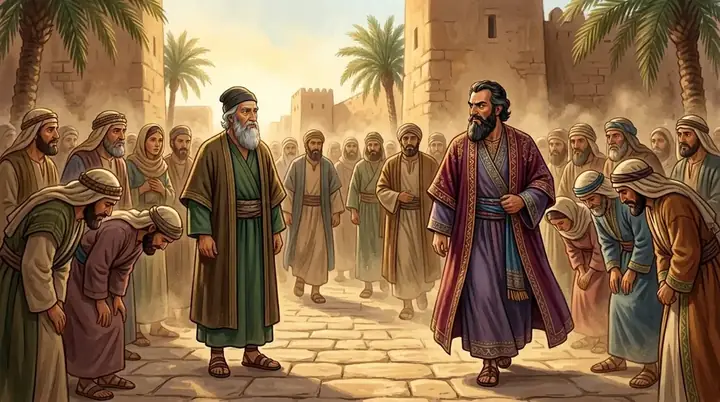
The king then raised Haman above all his princes and ordered everyone to bow to him. Mordecai would not. Haman, learning he was a Jew, resolved to destroy not one man but every Jew in the empire, and cast lots, "pur," to fix the day (Esther 3). Mordecai tore his clothes, put on sackcloth and sent Esther a copy of the decree with a message that has echoed ever since: if she kept silent, help would come from elsewhere, "and who knoweth whether thou art come to the kingdom for such a time as this?" (Esther 4:13–14). She asked him to gather the Jews to fast, and went to the king.
The turn
The night before Haman meant to hang Mordecai, the king could not sleep, had the records read, and found Mordecai's unrewarded service. Haman, arriving to ask for the hanging, was made to lead Mordecai through the city in royal robes (Esther 6). At Esther's second banquet Haman was exposed and hanged on his own gallows (Esther 7). Mordecai received Haman's place and the king's ring, and wrote a new decree letting the Jews defend themselves (Esther 8). They did, and Mordecai and Esther fixed the feast of Purim to remember it each year (Esther 9:20–32). The book ends with him "next unto king Ahasuerus," seeking the good of his people (Esther 10:3).
What to learn
God's name is never spoken in Esther, yet his hand is on every page: a sleepless king, a forgotten record, a lot that fell on a far-off date. Mordecai trusted that providence and acted with courage. His faith did not need the Lord to be named to know he was there.
Others with this name
A Mordecai is listed among the leaders who returned from Babylon with Zerubbabel (Ezra 2:2; Nehemiah 7:7), a generation before the Mordecai of Esther.
Key verses
- Esther 2:5–7
Now in Shushan the palace there was a certain Jew, whose name was Mordecai, the son of Jair, the son of Shimei, the son of Kish, a Benjamite; Who had been carried away from Jerusalem with the captivity which had been carried away with Jeconiah king of Judah, whom Nebuchadnezzar the king of Babylon had carried away. And he brought up Hadassah, that is, Esther, his uncle’s daughter: for she had neither father nor mother, and the maid was fair and beautiful; whom Mordecai, when her father and mother were dead, took for his own daughter.
- Esther 3:2–6
And all the king’s servants, that were in the king’s gate, bowed, and reverenced Haman: for the king had so commanded concerning him. But Mordecai bowed not, nor did him reverence. Then the king’s servants, which were in the king’s gate, said unto Mordecai, Why transgressest thou the king’s commandment? Now it came to pass, when they spake daily unto him, and he hearkened not unto them, that they told Haman, to see whether Mordecai’s matters would stand: for he had told them that he was a Jew. …
- Esther 4:13–14
Then Mordecai commanded to answer Esther, Think not with thyself that thou shalt escape in the king’s house, more than all the Jews. For if thou altogether holdest thy peace at this time, then shall there enlargement and deliverance arise to the Jews from another place; but thou and thy father’s house shall be destroyed: and who knoweth whether thou art come to the kingdom for such a time as this?
- Esther 6:10–11
Then the king said to Haman, Make haste, and take the apparel and the horse, as thou hast said, and do even so to Mordecai the Jew, that sitteth at the king’s gate: let nothing fail of all that thou hast spoken. Then took Haman the apparel and the horse, and arrayed Mordecai, and brought him on horseback through the street of the city, and proclaimed before him, Thus shall it be done unto the man whom the king delighteth to honour.
- Esther 8:2
And the king took off his ring, which he had taken from Haman, and gave it unto Mordecai. And Esther set Mordecai over the house of Haman.
- Esther 10:3
For Mordecai the Jew was next unto king Ahasuerus, and great among the Jews, and accepted of the multitude of his brethren, seeking the wealth of his people, and speaking peace to all his seed.
On the map
Family
- Parents
- Jair
Mentioned in 50 verses
- Esther 50
Read next
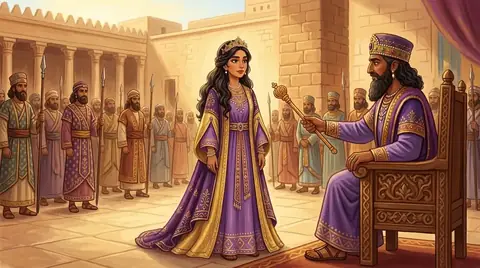 PersonEstherA Jewish orphan who became queen of Persia and risked her life to stop Haman's plan to kill every Jew in the empire.…
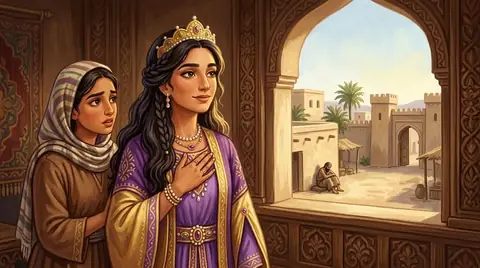 Place · CitySusaThe winter capital of the Persian kings, east of Babylon. The story of Esther is set in its palace, Nehemiah served the…
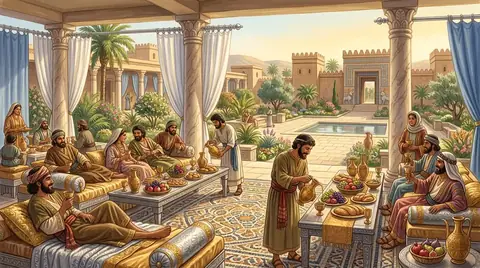 Person · KingAhasuerusThe king of Persia in the book of Esther, who put away Queen Vashti, made Esther his queen, and was tricked by Haman…
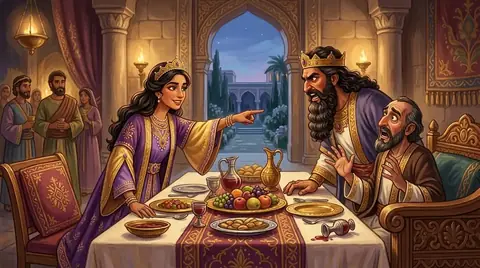 PersonHamanThe proud prime minister of King Ahasuerus of Persia, who plotted to kill every Jew in the empire because Mordecai…
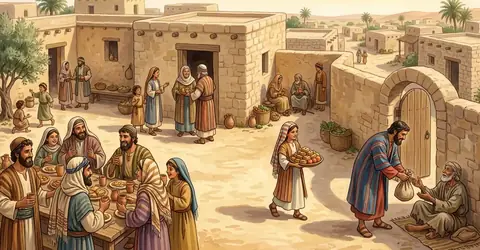 FeastPurimThe feast that remembers how the Jews of Persia escaped Haman's plot, the story the book of Esther tells. Named after…
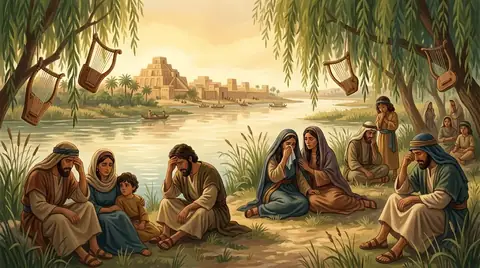 Place · CityBabylonThe great city on the Euphrates where the tower of Babel was built. Under Nebuchadnezzar it ruled the world, destroyed…
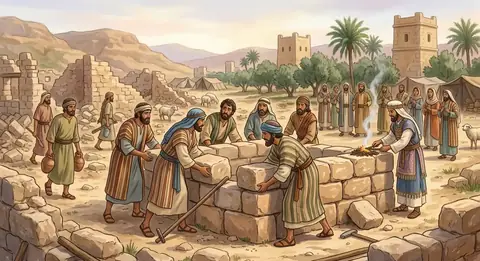 PersonZerubbabelThe prince of David's line who led the first exiles home from Babylon and rebuilt the temple in Jerusalem, finishing it…
 PersonJairA judge of Israel from Gilead who had thirty sons riding thirty donkeys and ruling thirty towns. An earlier Jair, of…
Written for this app in its own words, from the Bible, with the facts checked against Bible dictionaries and encyclopedias: Easton's, Smith's, Fausset's, ISBE, Holman, the New Bible Dictionary, Vine's and the Thompson Chain topics. People and places: STEPBible.org (TIPNR), CC BY 4.0; where a place is today and its photo: OpenBible.info, CC BY 4.0.
