
Place · City
Susa
SOO-saAlso called Shushan · a capital of Persia · today Shush, in south-west Iran
The winter capital of the Persian kings, east of Babylon. The story of Esther is set in its palace, Nehemiah served the king there, and Daniel saw his vision of the two-horned ram and the goat beside its river.
- Also called
- Shushan (the Hebrew form)
- Where
- In the province of Elam, about 150 miles (240 km) east of Babylon; today Shush, Iran
- Known for
- Esther and Mordecai; Nehemiah the cupbearer; Daniel's vision (Daniel 8:2)
Where
Susa lay in the hot plain east of the Tigris, in the ancient land of Elam, in what is now south-western Iran. It was already an old city when the Persians took it. King Darius built a great palace there, and the Persian kings spent the winter at Susa and the summer in the cooler hills. The Bible calls it "Shushan the palace", the fortress or citadel (Esther 1:2).
In the Bible
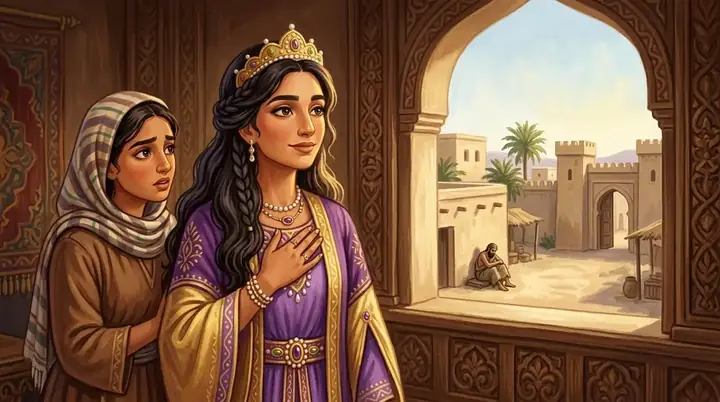
Nearly the whole book of Esther happens in Susa. King Ahasuerus (Xerxes) gave his great feast there, in a garden court hung with white and blue, with silver rings on marble pillars and gold cups (Esther 1:5–7). Here the Jewish orphan Esther was made queen, Mordecai sat in the king's gate, and Haman plotted to kill every Jew in the empire. "The city Shushan was perplexed" when the decree went out (Esther 3:15), and "rejoiced and was glad" when Mordecai came out in royal robes (Esther 8:15). The feast of Purim was born there.
Nehemiah was serving as cupbearer to King Artaxerxes in Susa when his brother brought news that the walls of Jerusalem lay broken, and from Susa he set out to rebuild them (Nehemiah 1:1; Nehemiah 2:1–6). Daniel saw himself in Susa beside the river Ulai in the vision of the two-horned ram and the goat, which foretold the fall of Persia to Greece (Daniel 8:2). Men of Susa were among the settlers who later tried to stop the rebuilding of the temple (Ezra 4:9).
Today
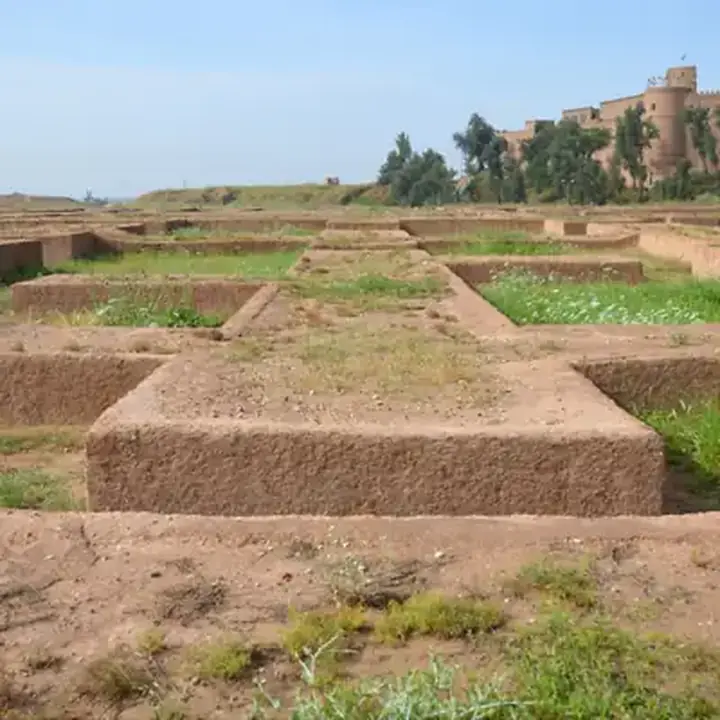
The mound of Shush in Iran covers the ruins of the Persian palace, and the stone bases of its great columns can still be seen. A tomb nearby has been honoured for centuries as Daniel's, though the Bible doesn't say where he died.
Key verses
- Esther 1:2
That in those days, when the king Ahasuerus sat on the throne of his kingdom, which was in Shushan the palace,
- Esther 8:15
And Mordecai went out from the presence of the king in royal apparel of blue and white, and with a great crown of gold, and with a garment of fine linen and purple: and the city of Shushan rejoiced and was glad.
- Nehemiah 1:1
The words of Nehemiah the son of Hachaliah. And it came to pass in the month Chisleu, in the twentieth year, as I was in Shushan the palace,
- Daniel 8:2
And I saw in a vision; and it came to pass, when I saw, that I was at Shushan in the palace, which is in the province of Elam; and I saw in a vision, and I was by the river of Ulai.
On the map
Mentioned in 20 verses
- Ezra 1
- Nehemiah 1
- Esther 17
- Daniel 1
Read next
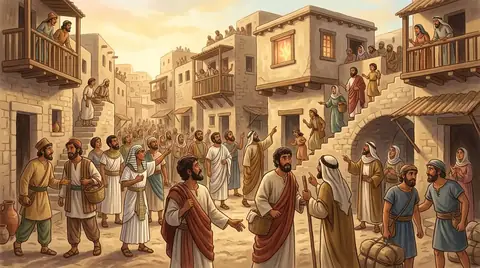 Place · NationElamAn old and powerful kingdom east of Babylon, with Susa as its capital, named after a son of Shem. Its king Chedorlaomer…
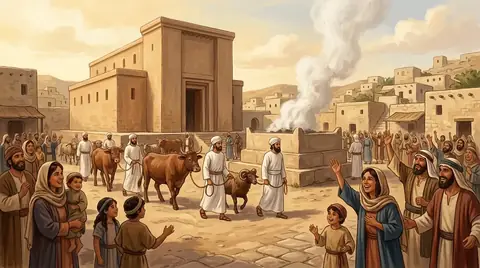 Person · KingDariusThe name of three kings in the Bible. Darius the Mede ruled Babylon when Daniel was thrown to the lions; Darius I of…
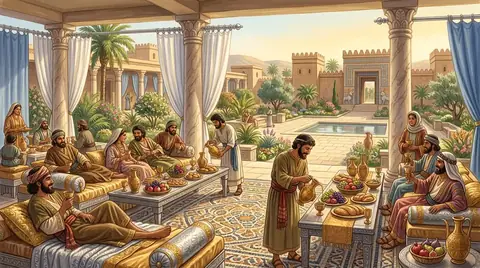 Person · KingAhasuerusThe king of Persia in the book of Esther, who put away Queen Vashti, made Esther his queen, and was tricked by Haman…
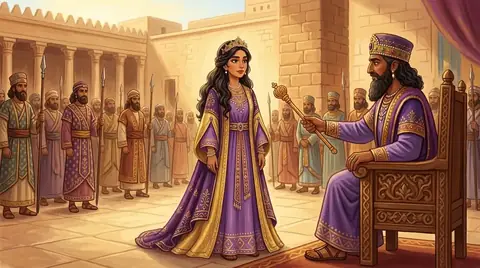 PersonEstherA Jewish orphan who became queen of Persia and risked her life to stop Haman's plan to kill every Jew in the empire.…
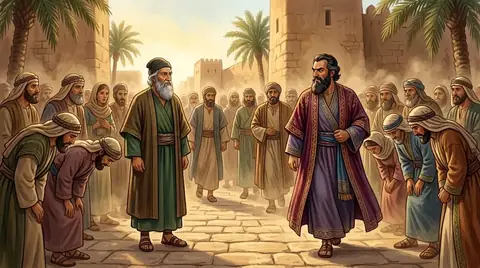 PersonMordecaiThe Jew who raised his cousin Esther, refused to bow to Haman, and with Esther saved the Jews of Persia from being…
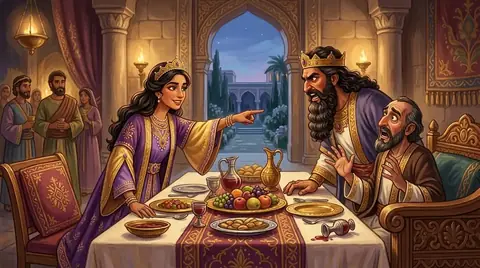 PersonHamanThe proud prime minister of King Ahasuerus of Persia, who plotted to kill every Jew in the empire because Mordecai…
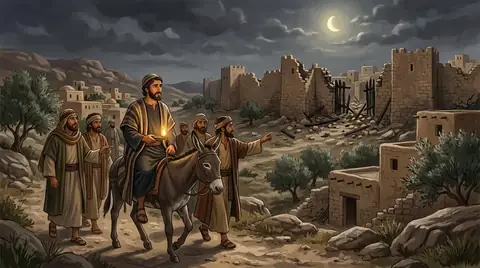 PersonNehemiahThe king of Persia's cupbearer who got leave to go to Jerusalem and rebuilt its broken walls in fifty-two days, despite…
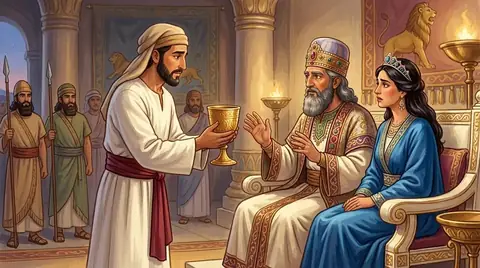 PersonArtaxerxesThe Persian king who sent Ezra to Jerusalem with the law in his seventh year and let his cupbearer Nehemiah go and…
Written for this app in its own words, from the Bible, with the facts checked against Bible dictionaries and encyclopedias: Easton's, Smith's, Fausset's, ISBE, Holman, the New Bible Dictionary, Vine's and the Thompson Chain topics. People and places: STEPBible.org (TIPNR), CC BY 4.0; where a place is today and its photo: OpenBible.info, CC BY 4.0.
