
Custom · Death
Funeral
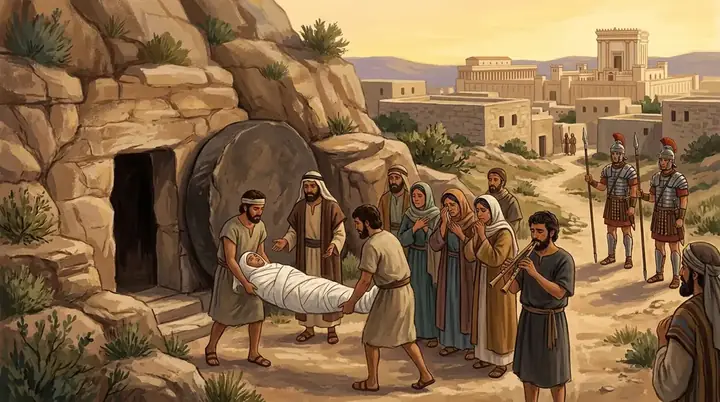
In Bible times the dead were buried quickly, usually the same day, wrapped in cloth and carried on an open bier, with loud mourning and often a meal afterwards. To be left unburied was a horror.
- What happened
- Washing, wrapping, spices, the bier, mourners, the tomb, a meal
- Where
- Genesis 50:10; 2 Samuel 3:31–35; Luke 7:12–14; John 19:39–40; Acts 9:37
What happened
Death came quickly to the whole village. The body was washed (Acts 9:37) and wrapped in a large cloth, with spices folded into it if the family could afford them; Nicodemus brought a huge amount of myrrh and aloes for Jesus (John 19:39–40). There was no embalming as in Egypt, and in the warm climate burial normally took place the same day (Acts 5:6–10; Deuteronomy 21:23). The body was carried on an open bier, a kind of stretcher, to the grave or family tomb. Jesus met such a procession at the gate of Nain and stopped it by touching the bier (Luke 7:12–15).
Mourning was loud and public. Relatives tore their clothes, put on sackcloth and sometimes ashes, and wept aloud. Hired wailing women and flute players were a normal part of a funeral (Jeremiah 9:17; Matthew 9:23), so a silent death-house was a strange thing. David followed the bier of Abner weeping, sang a lament over him, and refused to eat until sunset (2 Samuel 3:31–35). A meal for the mourners, "the cup of consolation", was usual afterwards (Jeremiah 16:7). The mourning for Jacob lasted seventy days in Egypt and seven more at the threshing floor of Atad (Genesis 50:3–10); for Aaron and Moses, thirty days (Numbers 20:29; Deuteronomy 34:8).
Burial, not burning
Israel buried its dead, from Abraham in the cave of Machpelah onwards (Genesis 23:19). Burning was a punishment for certain crimes (Leviticus 20:14), and the men of Jabesh-gilead burned the bodies of Saul and his sons only because the Philistines had abused them, and then buried the bones (1 Samuel 31:12–13). To lie unburied, food for dogs and birds, was the worst fate a prophet could announce (1 Kings 14:11; Jeremiah 22:19).
Hope at the grave
Even the saddest funeral in the Bible was not without hope. Jesus wept at the tomb of Lazarus, then called him out (John 11:35–44). Christians bury in the faith that the body sown in weakness will be raised in power (1 Corinthians 15:42–44; 1 Thessalonians 4:13–14).
Key verses
- Genesis 50:10
And they came to the threshingfloor of Atad, which is beyond Jordan, and there they mourned with a great and very sore lamentation: and he made a mourning for his father seven days.
- 2 Samuel 3:31–35
And David said to Joab, and to all the people that were with him, Rend your clothes, and gird you with sackcloth, and mourn before Abner. And king David himself followed the bier. And they buried Abner in Hebron: and the king lifted up his voice, and wept at the grave of Abner; and all the people wept. And the king lamented over Abner, and said, Died Abner as a fool dieth? …
- Luke 7:12–15
Now when he came nigh to the gate of the city, behold, there was a dead man carried out, the only son of his mother, and she was a widow: and much people of the city was with her. And when the Lord saw her, he had compassion on her, and said unto her, Weep not. And he came and touched the bier: and they that bare him stood still. And he said, Young man, I say unto thee, Arise. …
- John 11:25
Jesus said unto her, I am the resurrection, and the life: he that believeth in me, though he were dead, yet shall he live:
- 1 Thessalonians 4:13–14
But I would not have you to be ignorant, brethren, concerning them which are asleep, that ye sorrow not, even as others which have no hope. For if we believe that Jesus died and rose again, even so them also which sleep in Jesus will God bring with him.
Read next
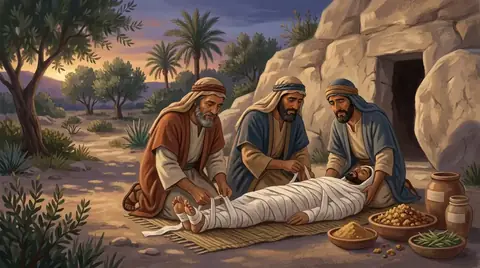 Thing · TradeSpicesFragrant gums, barks and oils, mostly brought from Arabia and the East, used in the holy anointing oil and incense, as…
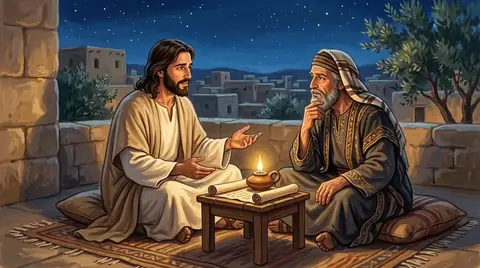 PersonNicodemusThe Pharisee who came to Jesus by night and was told he must be born again. He later spoke up for Jesus in the council…
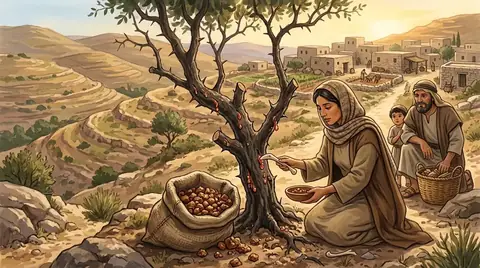 Plant · SpiceMyrrhA bitter, sweet-smelling gum from a thorny desert tree, costly and prized as perfume, medicine and for burial. The wise…
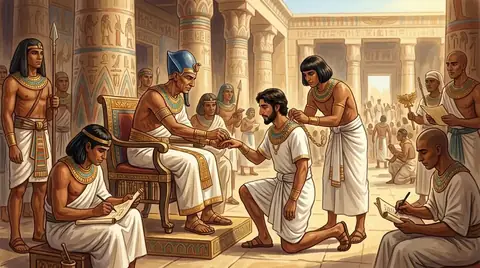 Place · NationEgyptThe great kingdom of the Nile, where Israel grew from a family into a nation and was then enslaved. The Exodus from…
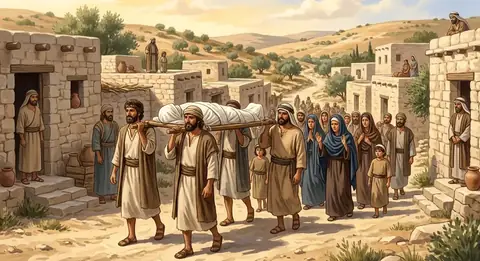 Custom · DeathBierThe open frame or stretcher on which a dead body was carried to the grave. Jesus touched the bier of the widow's son at…
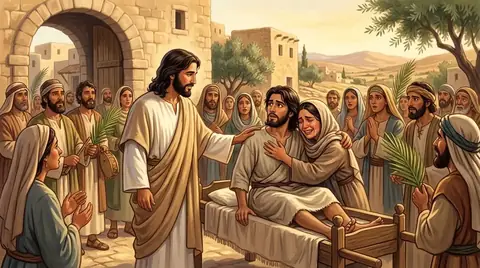 Place · TownNainA small town in Galilee where Jesus met a funeral at the gate, and raised to life the only son of a widow.
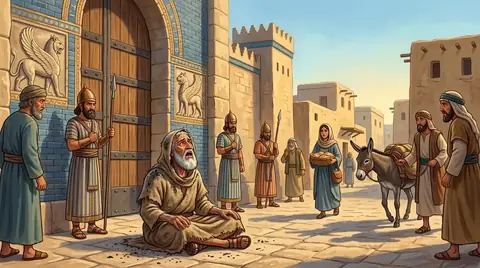 Thing · ClothingSackclothA coarse, dark cloth woven from goats' hair, used for sacks and worn next to the skin by people in mourning or in…
 Person · KingDavidThe shepherd boy who killed Goliath and became Israel's greatest king, "a man after God's own heart". He wrote many…
Written for this app in its own words, from the Bible, with the facts checked against Bible dictionaries and encyclopedias: Easton's, Smith's, Fausset's, ISBE, Holman, the New Bible Dictionary, Vine's and the Thompson Chain topics.
