
Place · Nation
Egypt
The land of the Nile · Hebrew Mizraim · today the Arab Republic of Egypt
The great kingdom of the Nile, where Israel grew from a family into a nation and was then enslaved. The Exodus from Egypt is the Old Testament's defining act of rescue.
- Where
- North-east Africa, along the Nile from the delta on the Mediterranean to the cataracts in the south
- Known for
- Joseph's rise; Israel's slavery; the ten plagues and the Exodus (1446 BC); a refuge for the infant Jesus
- Ruled by
- The Pharaohs
- Hebrew
- Mizraim, which is also the name of Egypt's ancestor, a son of Ham (Genesis 10:6)
Where
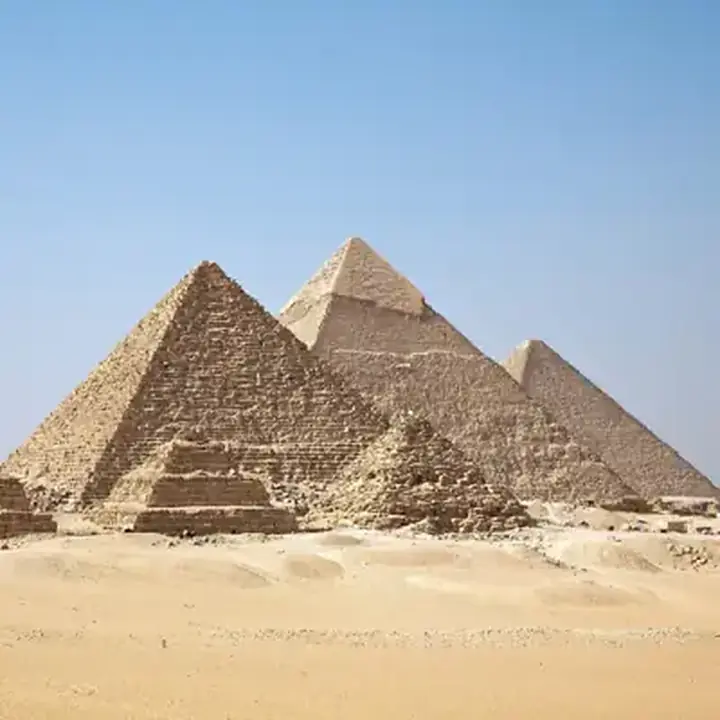
Egypt is the Nile. The river floods every summer and leaves a strip of rich black soil through the desert, with the wide, fertile delta where it meets the sea. The south, "Upper Egypt", the Bible calls Pathros (Isaiah 11:11); the whole land is Mizraim, a Hebrew word in the dual form, perhaps for its two halves. Egypt was old, rich and powerful long before Abraham, with its pyramids, temples, scribes and armies of chariots (Exodus 14:7; Isaiah 31:1).
Israel in Egypt
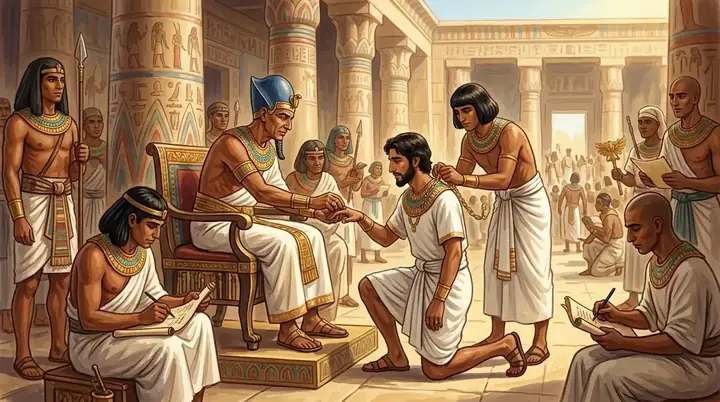
Abraham went down to Egypt in a famine and came back richer but ashamed (Genesis 12:10–20). Joseph was sold there as a slave, rose to govern the land, and brought his whole family to live in the district of Goshen (Genesis 37; Genesis 41–47). Over the centuries the family grew into a people, and a new Pharaoh made them slaves (Exodus 1:8–14). God sent Moses, struck the land with ten plagues, and brought Israel out by night at the first Passover; then he opened the Red Sea for them and closed it on Pharaoh's army (Exodus 12–14). "I am the LORD thy God, which have brought thee out of the land of Egypt" is how the ten commandments begin (Exodus 20:2).
Egypt and the kings
Later Egypt was a neighbour to be feared or courted. Solomon married Pharaoh's daughter (1 Kings 3:1); Shishak plundered the temple (1 Kings 14:25–26); Pharaoh Necho killed King Josiah at Megiddo (2 Kings 23:29). The prophets warned Judah not to lean on Egypt's horses against Assyria and Babylon, for Egypt was "a broken reed" (Isaiah 30:1–3; Isaiah 36:6). Yet Isaiah also foresaw a day when Egypt would know the LORD and be called "my people" (Isaiah 19:21–25).
In the New Testament
Joseph and Mary fled to Egypt with the infant Jesus to escape Herod, and came back when it was safe, so that God's word was fulfilled, "Out of Egypt have I called my son" (Matthew 2:13–15). Jews from Egypt heard Peter at Pentecost (Acts 2:10), and the learned Apollos came from Alexandria (Acts 18:24). In Revelation "Egypt" stands for the world that holds God's people captive (Revelation 11:8).
For us
Egypt is the Bible's picture of slavery, and the Exodus its picture of salvation. The New Testament sees Christ as the Passover Lamb and his death as the greater Exodus (1 Corinthians 5:7; Luke 9:31).
Key verses
- Genesis 12:10
And there was a famine in the land: and Abram went down into Egypt to sojourn there; for the famine was grievous in the land.
- Genesis 46:3–4
And he said, I am God, the God of thy father: fear not to go down into Egypt; for I will there make of thee a great nation: I will go down with thee into Egypt; and I will also surely bring thee up again: and Joseph shall put his hand upon thine eyes.
- Exodus 1:8–14
Now there arose up a new king over Egypt, which knew not Joseph. And he said unto his people, Behold, the people of the children of Israel are more and mightier than we: Come on, let us deal wisely with them; lest they multiply, and it come to pass, that, when there falleth out any war, they join also unto our enemies, and fight against us, and so get them up out of the land. …
- Exodus 20:2
I am the Lord thy God, which have brought thee out of the land of Egypt, out of the house of bondage.
- Isaiah 19:25
Whom the Lord of hosts shall bless, saying, Blessed be Egypt my people, and Assyria the work of my hands, and Israel mine inheritance.
- Matthew 2:15
And was there until the death of Herod: that it might be fulfilled which was spoken of the Lord by the prophet, saying, Out of Egypt have I called my son.
On the map
Mentioned in 649 verses
- Genesis 85
- Exodus 153
- Leviticus 12
- Numbers 30
- Deuteronomy 49
- Joshua 14
- Judges 9
- 1 Samuel 13
- 2 Samuel 3
- 1 Kings 20
- 2 Kings 12
- 1 Chronicles 5
- 2 Chronicles 16
- Ezra 1
- Nehemiah 3
- Psalms 18
- Proverbs 1
- Isaiah 40
- Jeremiah 54
- Lamentations 1
- Ezekiel 48
- Daniel 4
- Hosea 13
- Joel 1
- Amos 7
- Micah 3
- Nahum 1
- Haggai 1
- Zechariah 4
- Matthew 4
- Acts 17
- Hebrews 5
- Jude 1
- Revelation 1
Read next
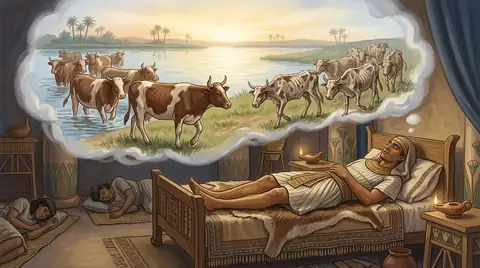 Title · RulerPharaohNot a personal name but the title borne by every king of Egypt, like "Caesar". The Bible names several, the best known…
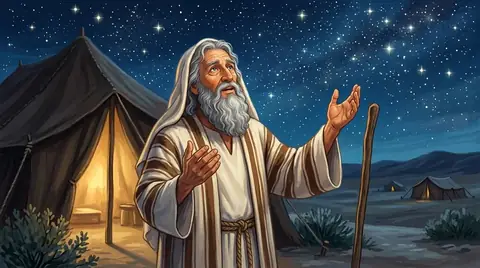 PersonAbrahamThe man God called out of Ur to a land he had never seen, promising him a people and a blessing for the whole world. He…
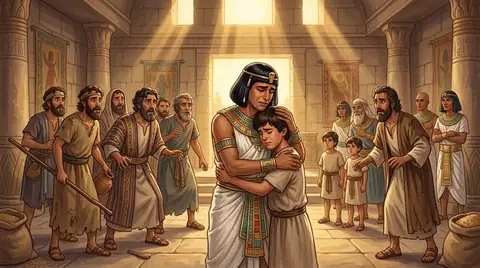 PersonJosephJacob's favourite son, sold by his brothers into Egypt, where he rose from prison to rule the land and saved his family…
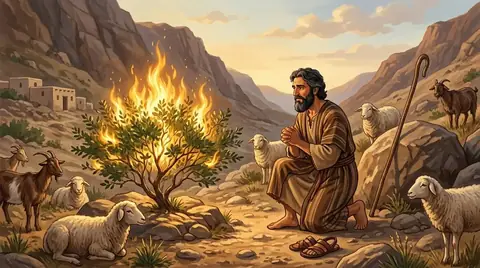 PersonMosesThe man God used to bring Israel out of Egypt, give them his Law at Sinai, and lead them for forty years in the…
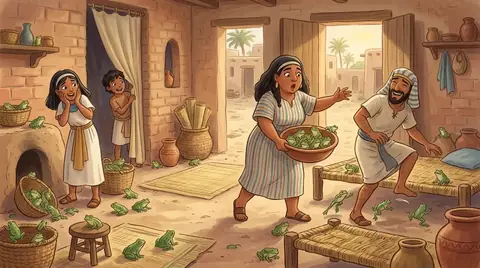 Custom · JudgmentPlagueA blow from God: a sudden disease or disaster sent as judgment. The ten plagues of Egypt broke Pharaoh's grip; later…
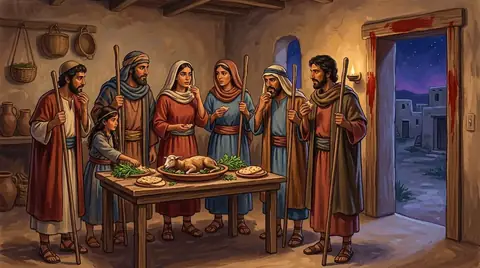 FeastPassoverThe yearly feast remembering the night God rescued Israel from Egypt, when death passed over every house marked with a…
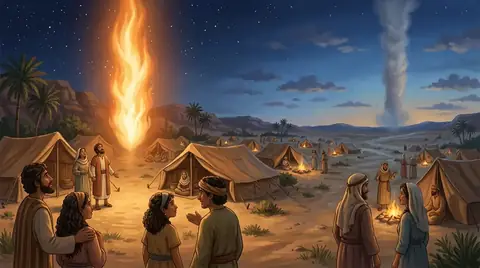 PlaceRed SeaThe sea God parted so Israel could escape from Egypt on dry ground, and then closed over Pharaoh's army. Its crossing…
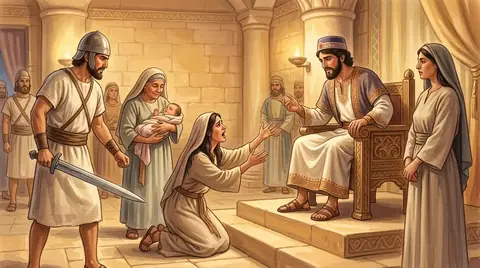 Person · KingSolomonDavid's son and Israel's third king, who asked God for wisdom and received riches and fame as well. He built the temple…
Written for this app in its own words, from the Bible, with the facts checked against Bible dictionaries and encyclopedias: Easton's, Smith's, Fausset's, ISBE, Holman, the New Bible Dictionary, Vine's and the Thompson Chain topics. People and places: STEPBible.org (TIPNR), CC BY 4.0; where a place is today and its photo: OpenBible.info, CC BY 4.0.
