
Month
Nisan
NEE-sahnMarch–April · earlier called Abib
The Babylonian name the Jews used after the exile for the first month of their religious year, the month of Passover. Before the exile it was called Abib.
- When
- From the new moon of March to that of April
- Known for
- The Passover on the 14th; Nehemiah's request to the king; Haman's lots
- Where
- Nehemiah 2:1; Esther 3:7
Israel's months were first known by number or by old Canaanite names such as Abib, "green ears". In Babylon the exiles took up the Babylonian names, and Nisan, meaning "beginning", replaced Abib as the name of the first month of the sacred year, the month of spring and of Passover. It is used twice in the Bible. In the month Nisan Nehemiah served wine to King Artaxerxes with a sad face, and was given leave to rebuild Jerusalem (Nehemiah 2:1). And in Nisan Haman cast lots, the pur, to pick a day to destroy the Jews, and the lot fell nearly a year away, in Adar (Esther 3:7). Jews still call the month Nisan today, and keep Passover on its fourteenth day. Jesus died at Passover, so his cross and resurrection fall in Nisan too.
Key verses
- Nehemiah 2:1
And it came to pass in the month Nisan, in the twentieth year of Artaxerxes the king, that wine was before him: and I took up the wine, and gave it unto the king. Now I had not been beforetime sad in his presence.
- Esther 3:7
In the first month, that is, the month Nisan, in the twelfth year of king Ahasuerus, they cast Pur, that is, the lot, before Haman from day to day, and from month to month, to the twelfth month, that is, the month Adar.
- Exodus 12:2
This month shall be unto you the beginning of months: it shall be the first month of the year to you.
Read next
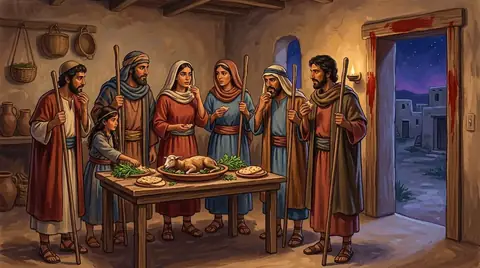 FeastPassoverThe yearly feast remembering the night God rescued Israel from Egypt, when death passed over every house marked with a…
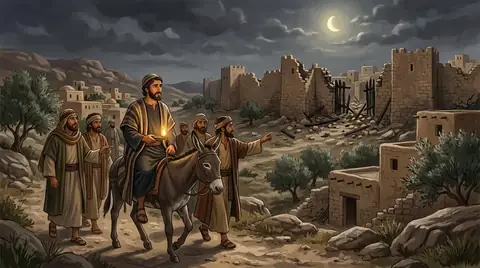 PersonNehemiahThe king of Persia's cupbearer who got leave to go to Jerusalem and rebuilt its broken walls in fifty-two days, despite…
 PersonHamanThe proud prime minister of King Ahasuerus of Persia, who plotted to kill every Jew in the empire because Mordecai…
Written for this app in its own words, from the Bible, with the facts checked against Bible dictionaries and encyclopedias: Easton's, Smith's, Fausset's, ISBE, Holman, the New Bible Dictionary, Vine's and the Thompson Chain topics.
