
Event · Nature
Famine
A time when the food runs out
A time of no food, from drought, locusts, war or siege. In the Bible famine often comes as God's judgment, and it drives the stories of Abraham, Joseph, Ruth and Elijah. Jesus said famines would come before the end.
- Causes
- Failed rains (1 Kings 17:1), locusts (Joel 1:4), sieges (2 Kings 6:25), war (Jeremiah 14:12–18)
- Famous famines
- Joseph's seven years in Egypt (Genesis 41); Elijah's three and a half years (James 5:17); the siege of Samaria (2 Kings 6); Agabus' prophecy (Acts 11:28)
In the stories
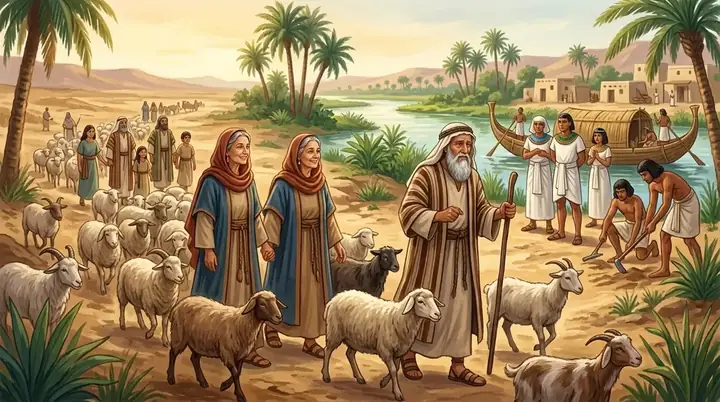
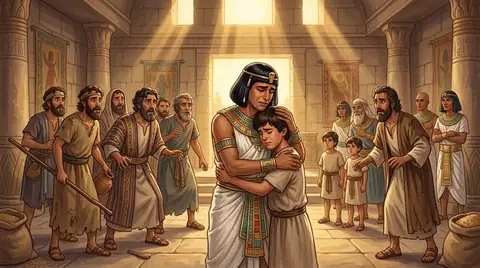
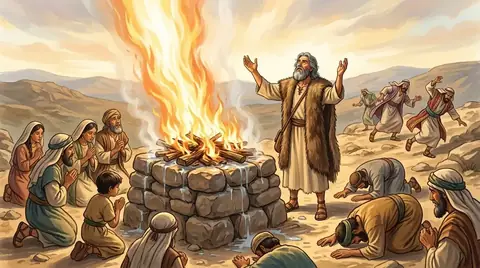
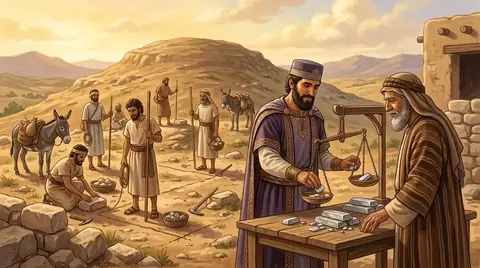
Canaan depended on the autumn and spring rains, and when they failed the harvest did too. Famine sent Abraham down to Egypt (Genesis 12:10) and Isaac to Gerar (Genesis 26:1). Joseph's seven lean years in Egypt reached the whole region and brought Jacob's family to Egypt, where the nation grew (Genesis 41–47). A famine took Naomi's family to Moab, which is how Ruth came to Bethlehem (Ruth 1:1). In David's reign three years of famine turned out to be God's answer to Saul's crime against the Gibeonites (2 Samuel 21:1). Elijah announced a drought that lasted three and a half years and ended on Mount Carmel (1 Kings 17–18). The worst famines came with sieges: in Samaria a donkey's head sold for eighty shekels and mothers ate their own children (2 Kings 6:25–29), and the same horror came to Jerusalem before it fell (Lamentations 4:4–10).
Why it came
God had warned Israel that if they broke his covenant he would shut up the heavens and make the land like iron (Leviticus 26:19–20; Deuteronomy 28:23–24). Famine, with sword and plague, was one of his three great judgments (Jeremiah 14:12; Ezekiel 14:21). He could also use it to care for his people: he "called for a famine" to bring Joseph to Egypt ahead of his family (Psalms 105:16–17).
In the New Testament
Agabus foretold a great famine across the Roman world, which came in the reign of Claudius; the church at Antioch sent relief to the believers in Judea, the first recorded Christian aid (Acts 11:28–30). Jesus said famines would mark the age before his return (Matthew 24:7), and in Revelation the black horse brings scarcity (Revelation 6:5–6). The prodigal son's famine drove him home (Luke 15:14).
What it means
Amos warned of a worse famine: "not a famine of bread… but of hearing the words of the LORD" (Amos 8:11). God promises to keep his people alive in famine (Psalms 33:19; Psalms 37:19), and in heaven "they shall hunger no more" (Revelation 7:16).
Key verses
- Genesis 41:30
And there shall arise after them seven years of famine; and all the plenty shall be forgotten in the land of Egypt; and the famine shall consume the land;
- 2 Kings 6:25
And there was a great famine in Samaria: and, behold, they besieged it, until an ass’s head was sold for fourscore pieces of silver, and the fourth part of a cab of dove’s dung for five pieces of silver.
- Psalms 33:19
To deliver their soul from death, and to keep them alive in famine.
- Amos 8:11
Behold, the days come, saith the Lord God, that I will send a famine in the land, not a famine of bread, nor a thirst for water, but of hearing the words of the Lord:
- Acts 11:28
And there stood up one of them named Agabus, and signified by the spirit that there should be great dearth throughout all the world: which came to pass in the days of Claudius Cesar.
Read next
 PersonJosephJacob's favourite son, sold by his brothers into Egypt, where he rose from prison to rule the land and saved his family…
 PersonElijahThe fiery prophet who stood alone against King Ahab and the prophets of Baal, called down fire on Mount Carmel, and was…
 Place · City and regionSamariaThe hill city Omri built as capital of the northern kingdom of Israel. It saw Ahab and Jezebel, Elijah and Elisha…
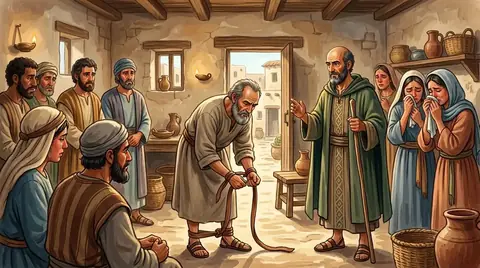 PersonAgabusA Christian prophet from Judea. He foretold a great famine, which came in the days of Claudius, and later warned that…
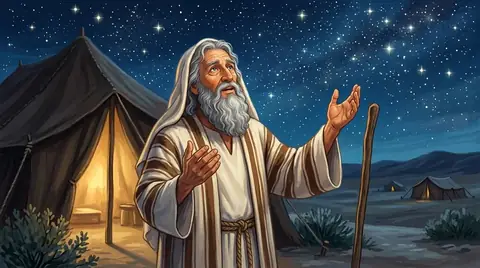 PersonAbrahamThe man God called out of Ur to a land he had never seen, promising him a people and a blessing for the whole world. He…
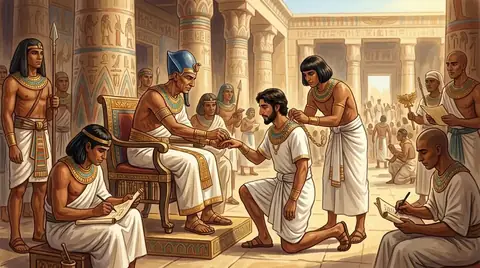 Place · NationEgyptThe great kingdom of the Nile, where Israel grew from a family into a nation and was then enslaved. The Exodus from…
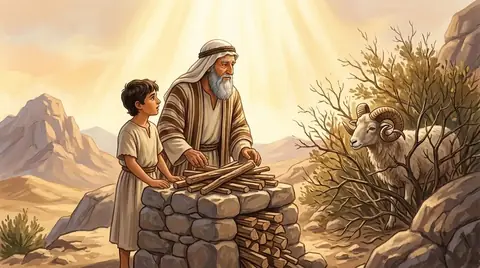 PersonIsaacThe son God promised to Abraham and Sarah when they were far too old for children, offered on Mount Moriah and spared.…
 PersonJacobIsaac's younger twin son, who won his brother's birthright and blessing by cunning, was changed by God, and was renamed…
Written for this app in its own words, from the Bible, with the facts checked against Bible dictionaries and encyclopedias: Easton's, Smith's, Fausset's, ISBE, Holman, the New Bible Dictionary, Vine's and the Thompson Chain topics.
