
Custom
Eating
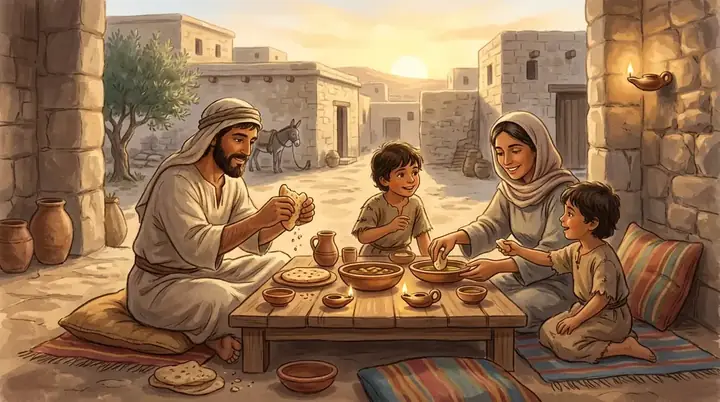
Meals in Bible times were eaten with the hands from shared dishes, with the main meal at midday or in the evening. To eat with someone was to accept them, which is why Jesus' meals with sinners caused such offence.
- When
- A light breakfast, the main meal at noon (Genesis 43:16; Ruth 2:14) or after the day's work (Luke 14:12)
- How
- Sitting on the ground or a mat in early times; later reclining on couches round a low table (Luke 7:36–38)
- Before
- Hands washed; a blessing said over the bread (Matthew 14:19)
How people ate
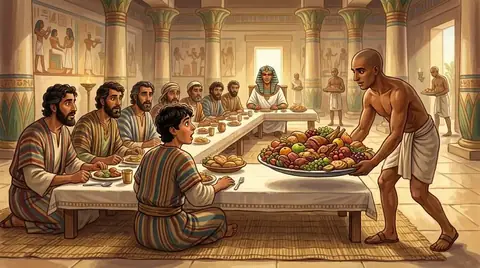
There were no forks. Bread was broken, not cut, and used to scoop food from a shared bowl, so hands were washed first (Matthew 15:2). Guests at a feast lay on low couches, leaning on the left elbow with their feet away from the table, which explains how a woman could wash Jesus' feet while he ate (Luke 7:36–38), and how John could lean on his breast at the last supper (John 13:23–25). In earlier days people sat on the ground round the dish. The host served the guests himself if he wished to honour them, as Abraham did for his three visitors (Genesis 18:8), and a favourite could be given a larger helping: Joseph gave Benjamin five times as much as his brothers (Genesis 43:34).
Who you ate with
Sharing a meal made a bond. That is why the Egyptians would not eat with Hebrews (Genesis 43:32), why a Jew would have nothing to do with Samaritans (John 4:9), and why the Pharisees were shocked that Jesus sat down with tax collectors and sinners (Matthew 9:11). Jesus did it on purpose. His meals said that these people were welcome at God's table. After the resurrection God had to teach Peter in a vision that he could eat with Gentiles like Cornelius (Acts 10). In the church the shared meal became the Lord's Supper.
Eating as a picture
The prophets "ate" God's word, taking it in until it became part of them (Jeremiah 15:16; Ezekiel 3:1–3; Revelation 10:9). Jesus said that those who eat his flesh, that is, who take him in by faith, will live for ever (John 6:53–58). And heaven itself is pictured as a feast, where people from east and west sit down with Abraham, Isaac and Jacob (Luke 13:29; Revelation 19:9).
Key verses
- Genesis 18:8
And he took butter, and milk, and the calf which he had dressed, and set it before them; and he stood by them under the tree, and they did eat.
- Genesis 43:32
And they set on for him by himself, and for them by themselves, and for the Egyptians, which did eat with him, by themselves: because the Egyptians might not eat bread with the Hebrews; for that is an abomination unto the Egyptians.
- Matthew 9:11
And when the Pharisees saw it, they said unto his disciples, Why eateth your Master with publicans and sinners?
- Luke 7:36–38
And one of the Pharisees desired him that he would eat with him. And he went into the Pharisee’s house, and sat down to meat. And, behold, a woman in the city, which was a sinner, when she knew that Jesus sat at meat in the Pharisee’s house, brought an alabaster box of ointment, And stood at his feet behind him weeping, and began to wash his feet with tears, and did wipe them with the hairs of her head, and kissed his feet, and anointed them with the ointment.
- John 6:53
Then Jesus said unto them, Verily, verily, I say unto you, Except ye eat the flesh of the Son of man, and drink his blood, ye have no life in you.
- Revelation 19:9
And he saith unto me, Write, Blessed are they which are called unto the marriage supper of the Lamb. And he saith unto me, These are the true sayings of God.
Read next
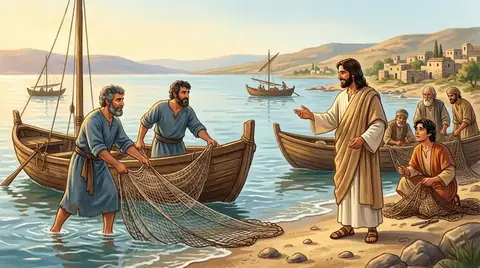 PersonJohnThe fisherman who became "the disciple whom Jesus loved". Youngest of the twelve, he stood at the cross, ran to the…
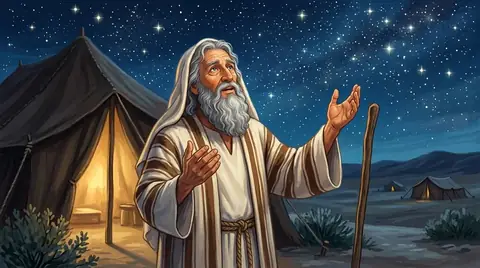 PersonAbrahamThe man God called out of Ur to a land he had never seen, promising him a people and a blessing for the whole world. He…
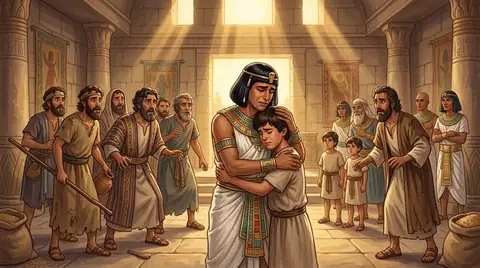 PersonJosephJacob's favourite son, sold by his brothers into Egypt, where he rose from prison to rule the land and saved his family…
 PersonBenjaminJacob's youngest son, whose mother Rachel died bearing him. Joseph's only full brother, he was the centre of the…
 Group · PeopleSamaritansThe mixed people of central Israel, descended from Israelites left behind by the Assyrians and settlers brought in from…
 GroupPhariseesThe most exacting of the Jewish religious parties in Jesus' day, devoted to keeping the Law and the traditions added to…
 Person · The Son of GodJesus ChristThe Son of God, born of the virgin Mary, who lived a sinless life, died on a cross for the sins of the world and rose…
 PersonPeterA Galilean fisherman who became the leader of the twelve apostles. Bold and impulsive, he confessed Jesus as the…
Written for this app in its own words, from the Bible, with the facts checked against Bible dictionaries and encyclopedias: Easton's, Smith's, Fausset's, ISBE, Holman, the New Bible Dictionary, Vine's and the Thompson Chain topics.
