
Custom
Alliance
A treaty between nations, tribes or families
A treaty between peoples or rulers for mutual help. Israel's patriarchs made such pacts, but Israel itself was told not to make alliances with the nations of Canaan or lean on foreign kings instead of God.
- Examples
- Abraham and Abimelech (Genesis 21), Joshua and Gibeon (Joshua 9), Solomon and Hiram (1 Kings 5)
- Forbidden
- With the people of Canaan (Exodus 23:32; Deuteronomy 7:2)
- Sealed by
- An oath, a shared meal, a gift, sometimes a sacrifice cut in two (Genesis 15:10)
How they were made
An alliance was a covenant between two parties, sworn before God or the gods. The two sides took an oath, often shared a meal, and sometimes set up a stone as a witness, as Jacob and Laban did at Mizpah (Genesis 31:44–52). In the oldest form an animal was cut in two and the parties walked between the halves, calling the same fate on themselves if they broke faith (Genesis 15:10; Jeremiah 34:18). A pact meant to last for ever was a "covenant of salt" (2 Chronicles 13:5).
In the Old Testament
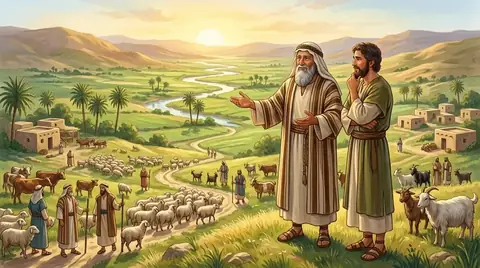
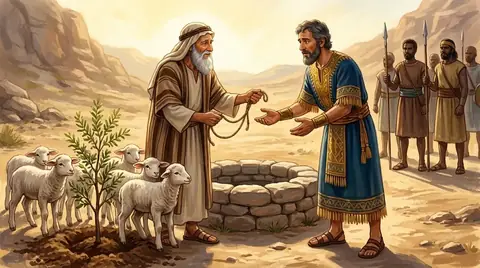
Abraham had allies among the chiefs near Hebron who helped him rescue Lot (Genesis 14:13), and he made a treaty with Abimelech over a well at Beersheba (Genesis 21:22–32). Joshua was tricked into a treaty with the Gibeonites and kept it even so, because he had sworn (Joshua 9). Solomon and Hiram of Tyre were partners in building the temple and in trade (1 Kings 5:12).
But Israel was warned not to make treaties with the peoples of Canaan, whose gods would become a snare (Exodus 23:32–33). Later kings broke this rule in spirit by running to Egypt, Syria or Assyria for help. Asa paid Ben-hadad to attack Israel and was rebuked for it (2 Chronicles 16:7–9); Ahaz bought help from Assyria and was ruined by it; Isaiah cried "Woe to them that go down to Egypt for help" (Isaiah 31:1).
What to learn
A promise once made had to be kept; breaking the Gibeonite treaty centuries later brought a famine on the land (2 Samuel 21:1–2). And for God's people, trust in a strong neighbour instead of in God always ended badly.
Key verses
- Genesis 21:27
And Abraham took sheep and oxen, and gave them unto Abimelech; and both of them made a covenant.
- Exodus 23:32–33
Thou shalt make no covenant with them, nor with their gods. They shall not dwell in thy land, lest they make thee sin against me: for if thou serve their gods, it will surely be a snare unto thee.
- Joshua 9:15
And Joshua made peace with them, and made a league with them, to let them live: and the princes of the congregation sware unto them.
- 2 Chronicles 16:7–9
And at that time Hanani the seer came to Asa king of Judah, and said unto him, Because thou hast relied on the king of Syria, and not relied on the Lord thy God, therefore is the host of the king of Syria escaped out of thine hand. Were not the Ethiopians and the Lubims a huge host, with very many chariots and horsemen? yet, because thou didst rely on the Lord, he delivered them into thine hand. For the eyes of the Lord run to and fro throughout the whole earth, to shew himself strong in the behalf of them whose heart is perfect toward him. Herein thou hast done foolishly: therefore from henceforth thou shalt have wars.
- Isaiah 31:1
Woe to them that go down to Egypt for help; and stay on horses, and trust in chariots, because they are many; and in horsemen, because they are very strong; but they look not unto the Holy One of Israel, neither seek the Lord!
Read next
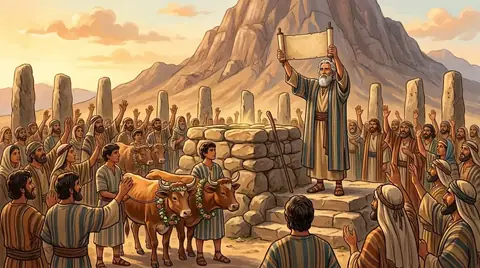 TeachingCovenantA solemn, binding agreement. God made covenants with Noah, Abraham, Israel and David, each with a promise and a sign…
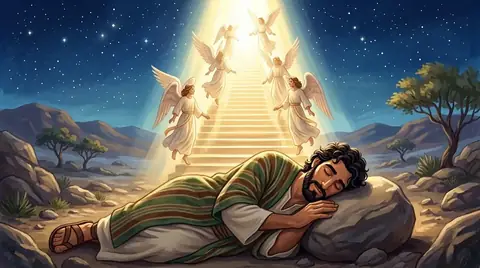 PersonJacobIsaac's younger twin son, who won his brother's birthright and blessing by cunning, was changed by God, and was renamed…
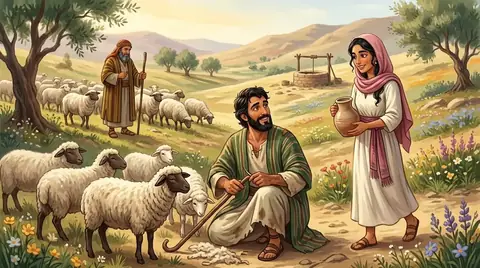 PersonLabanRebekah's brother in Haran, the father of Leah and Rachel. He took Jacob in, tricked him into marrying both daughters…
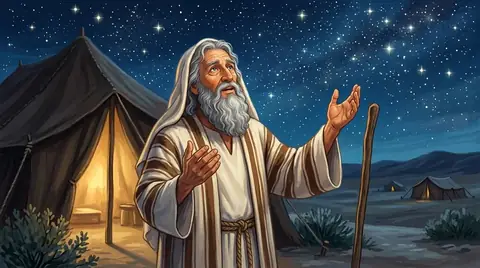 PersonAbrahamThe man God called out of Ur to a land he had never seen, promising him a people and a blessing for the whole world. He…
 Place · CityHebronAn ancient city in the hills of Judah where Abraham lived and the patriarchs were buried in the cave of Machpelah.…
 PersonLotAbraham's nephew, who chose the rich plain of Jordan and settled in Sodom. Angels dragged him out before the city…
 PersonAbimelechThe name of the kings of Gerar who dealt with Abraham and Isaac over their wives, and of Gideon's ruthless son who…Place · TownBeershebaThe well where Abraham swore a treaty, and the home of all three patriarchs. As the last town before the desert, "from…
Written for this app in its own words, from the Bible, with the facts checked against Bible dictionaries and encyclopedias: Easton's, Smith's, Fausset's, ISBE, Holman, the New Bible Dictionary, Vine's and the Thompson Chain topics.
