
Custom
Washing
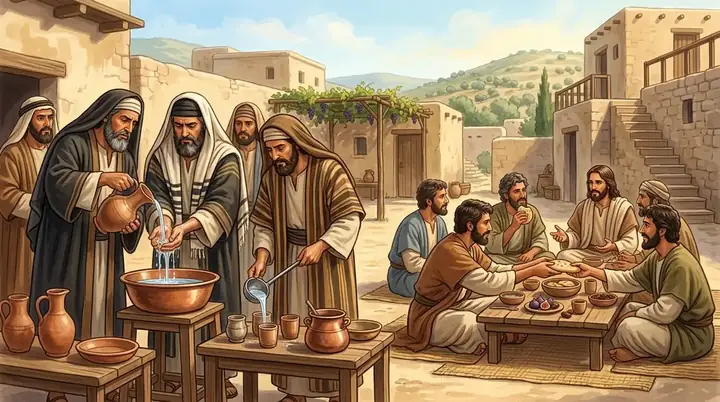
Washing in the Bible is both ordinary cleanliness and a religious act. The law required it for priests and for the unclean; later tradition added many washings that Jesus said missed the point.
- In the law
- Priests washed hands and feet at the laver (Exodus 30:19–21); the unclean bathed (Leviticus 15)
- Tradition
- Hand-washing before meals, demanded by the Pharisees (Mark 7:3–4)
- Picture
- Being cleansed from sin (Psalms 51:7; Isaiah 1:16; Titus 3:5)
In the law
In a hot, dusty land, washing was part of welcome: a guest's feet were washed as soon as he arrived (see Washing feet). God's law made washing part of worship too. The priests washed their hands and feet at the bronze laver before they served, on pain of death (Exodus 30:19–21). Aaron was washed from head to foot when he was ordained (Leviticus 8:6), and bathed again on the Day of Atonement (Leviticus 16:4, 24). Anyone made unclean by a disease, a discharge or a dead body washed clothes and body and waited until evening (Leviticus 15; Numbers 19:19). Naaman's cure came by washing seven times in the Jordan (2 Kings 5:14). Every washing said that God is holy and that people are not fit to come near him as they are.
Tradition
By Jesus' day the Pharisees had built on this a whole system of washings, of hands before eating, of cups and pots and even couches, which Moses had never commanded (Mark 7:3–4). When Jesus' disciples ate without the ritual hand-washing, the Pharisees complained. Jesus answered that they had set aside God's command to keep their own traditions, and that what makes a person unclean is not what goes into the mouth but what comes out of the heart (Mark 7:6–23). On the night he was betrayed he took a basin himself and washed his disciples' feet (John 13:5).
The deeper washing
The prophets and psalms use washing for cleansing from sin. "Wash me, and I shall be whiter than snow" (Psalms 51:7); "Wash you, make you clean" (Isaiah 1:16). Ananias told Paul to be baptised "and wash away thy sins" (Acts 22:16). Paul reminds the Corinthians, "ye are washed, ye are sanctified" (1 Corinthians 6:11), and tells Titus that God saved us "by the washing of regeneration" (Titus 3:5). See also Ablution, Purification, Baptism, wash the hands and Washing and snow.
Key verses
- Exodus 30:19–21
For Aaron and his sons shall wash their hands and their feet thereat: When they go into the tabernacle of the congregation, they shall wash with water, that they die not; or when they come near to the altar to minister, to burn offering made by fire unto the Lord: So they shall wash their hands and their feet, that they die not: and it shall be a statute for ever to them, even to him and to his seed throughout their generations.
- Mark 7:3–4
For the Pharisees, and all the Jews, except they wash their hands oft, eat not, holding the tradition of the elders. And when they come from the market, except they wash, they eat not. And many other things there be, which they have received to hold, as the washing of cups, and pots, brasen vessels, and of tables.
- Psalms 51:7
Purge me with hyssop, and I shall be clean: wash me, and I shall be whiter than snow.
- Titus 3:5
Not by works of righteousness which we have done, but according to his mercy he saved us, by the washing of regeneration, and renewing of the Holy Ghost;
Read next
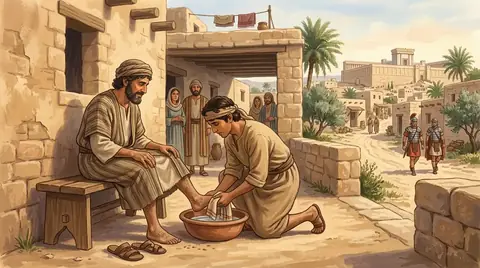 Custom · Daily lifeWashing feetGuests who arrived on dusty roads in sandals were given water for their feet; the lowest servant did the washing. Jesus…
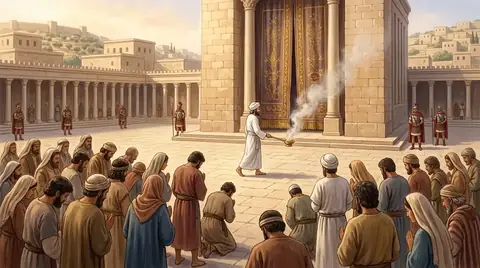 Feast · FastThe Day of AtonementThe one day in the year when the high priest went behind the veil with blood to atone for all Israel's sins, while a…
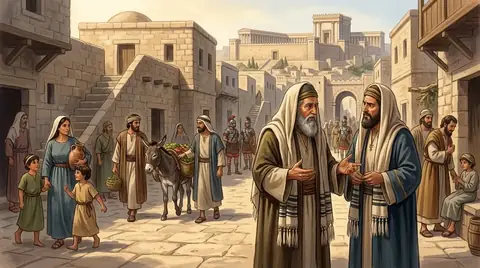 GroupPhariseesThe most exacting of the Jewish religious parties in Jesus' day, devoted to keeping the Law and the traditions added to…Custom · WorshipAblutionCeremonial washing with water. The law required it of priests before serving and of anyone made unclean; later teachers…Custom · WorshipPurificationThe washing and offerings by which a person made unclean under the law was restored to worship. Water, blood and time…Custom · TeachingBaptismWashing with water in the name of the Father, the Son and the Holy Spirit, the sign Jesus gave of entering his church.…
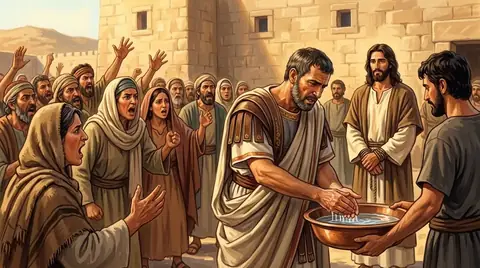 Saying · CustomWash the hands (innocence)Washing the hands in public was a way of saying "I had no part in this". Pilate did it to disown the death of Jesus…
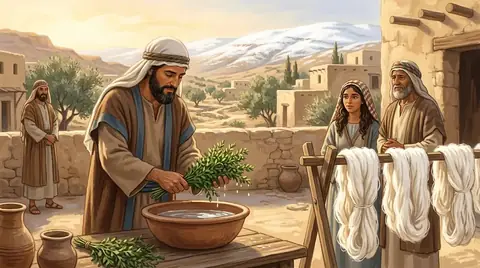 SymbolWashing and snowThe Bible's picture of being cleansed from sin: red stains washed out until they are as white as fresh snow. Only God…
Written for this app in its own words, from the Bible, with the facts checked against Bible dictionaries and encyclopedias: Easton's, Smith's, Fausset's, ISBE, Holman, the New Bible Dictionary, Vine's and the Thompson Chain topics.
