
Custom · Worship
Purification
The washing and offerings by which a person made unclean under the law was restored to worship. Water, blood and time were its means; the prophets and Jesus pointed to the clean heart they stood for.
- Made unclean by
- Touching a dead body, skin disease, bodily discharges, childbirth, certain foods (Leviticus 11–15; Numbers 19)
- Means
- Washing the body and clothes, waiting until evening or seven days, sprinkling with blood or with the water of separation, offerings
- Jesus
- "First cleanse that which is within" (Matthew 23:26)
What it was
Under the law a person could become unclean, cut off for a time from the tabernacle and its feasts. It was not usually sin: touching a corpse, giving birth, a skin disease or a discharge made one unclean, and so did eating forbidden food. Purification was the way back. For small matters it meant bathing, washing the clothes and waiting until evening (Leviticus 15). Contact with the dead took seven days and sprinkling with "the water of separation", water mixed with the ashes of a red heifer (Numbers 19). A healed leper went through eight days of washings, shaving, two birds and three offerings (Leviticus 14). A mother brought her offering after forty or eighty days (purification after childbirth). Soldiers back from battle and their spoil were purified, metal by fire and water, the rest by water (Numbers 31:19–24). The priests washed hands and feet at the laver before every service (Exodus 30:18–21), and the people washed and kept apart before God came down on Sinai (Exodus 19:10–15).
What it meant
The rules taught Israel, day by day, that God is holy and that death and disease do not belong near him. Washing the hands was a public sign of innocence: the elders over an unsolved murder (Deuteronomy 21:6), David in his psalm (Psalms 26:6), and Pilate before the crowd (Matthew 27:24). The prophets insisted that the outward washing meant nothing without a clean heart: "Wash you, make you clean; put away the evil of your doings" (Isaiah 1:16). David prayed, "Purge me with hyssop, and I shall be clean" (Psalms 51:7), and God promised through Ezekiel to sprinkle clean water and give a new heart (Ezekiel 36:25–26).
In the New Testament
By Jesus' day the Pharisees had added washings of hands, cups and pots that the law never asked (Mark 7:3–4); he called them cups clean outside and filthy within (Matthew 23:25–26). Yet he kept the law himself, sending healed lepers to the priest (Luke 17:14), and the crowds still went up to purify themselves before Passover (John 11:55). Paul joined four men in a purification at the temple to show he honoured the law (Acts 21:24–26). Hebrews says the old washings cleansed the flesh, but the blood of Christ cleanses the conscience (Hebrews 9:13–14), and bids us draw near "having our hearts sprinkled from an evil conscience, and our bodies washed with pure water" (Hebrews 10:22).
Key verses
- Numbers 19:11–12
He that toucheth the dead body of any man shall be unclean seven days. He shall purify himself with it on the third day, and on the seventh day he shall be clean: but if he purify not himself the third day, then the seventh day he shall not be clean.
- Psalms 51:7
Purge me with hyssop, and I shall be clean: wash me, and I shall be whiter than snow.
- Ezekiel 36:25
Then will I sprinkle clean water upon you, and ye shall be clean: from all your filthiness, and from all your idols, will I cleanse you.
- Matthew 23:26
Thou blind Pharisee, cleanse first that which is within the cup and platter, that the outside of them may be clean also.
- Hebrews 9:13–14
For if the blood of bulls and of goats, and the ashes of an heifer sprinkling the unclean, sanctifieth to the purifying of the flesh: How much more shall the blood of Christ, who through the eternal Spirit offered himself without spot to God, purge your conscience from dead works to serve the living God?
Read next
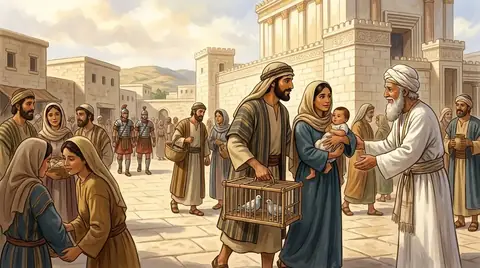 Custom · WorshipPurification after childbirthAfter a birth a mother stayed away from the sanctuary for forty days for a boy or eighty for a girl, then brought a…
 Person · KingDavidThe shepherd boy who killed Goliath and became Israel's greatest king, "a man after God's own heart". He wrote many…
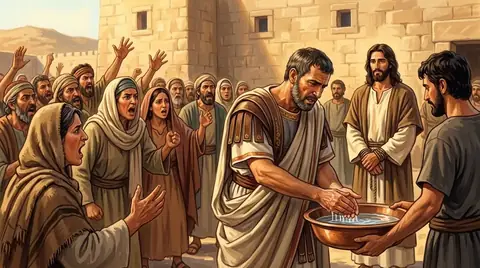 PersonPilateThe Roman governor of Judea who tried Jesus. He said three times that he found no fault in him, yet handed him over to…
 PersonEzekielA priest and prophet taken to Babylon with the exiles from Judah. By the river Chebar he saw visions of God's glory and…
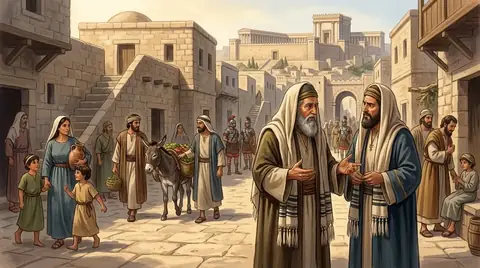 GroupPhariseesThe most exacting of the Jewish religious parties in Jesus' day, devoted to keeping the Law and the traditions added to…
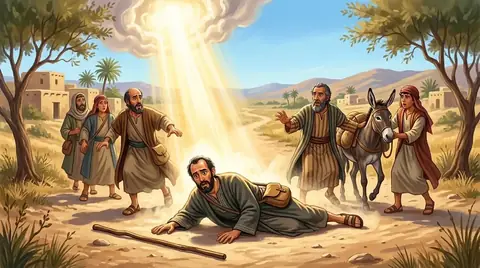 PersonPaulA Pharisee who hated the church until the risen Jesus met him on the road to Damascus. He became the apostle to the…
Written for this app in its own words, from the Bible, with the facts checked against Bible dictionaries and encyclopedias: Easton's, Smith's, Fausset's, ISBE, Holman, the New Bible Dictionary, Vine's and the Thompson Chain topics.
