
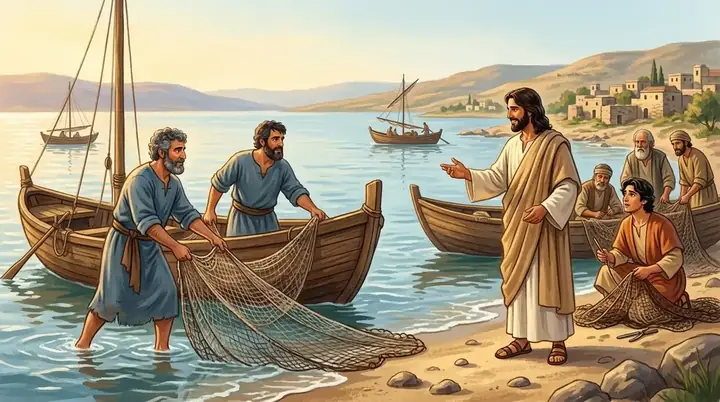
Place · Region
Galilee
GAL-i-leeNorthern Israel · the name means "circuit" or "district" · also called Galilee of the nations
The hill country of northern Israel, west of the lake that bears its name. Jesus grew up there, chose his disciples there, and did most of his teaching and miracles there.
- Where
- The north of the land, between the Mediterranean coast and the Jordan and the Sea of Galilee
- Known for
- Nazareth, Capernaum, Cana; the ministry of Jesus
- Tribes
- Zebulun, Naphtali, Asher, Issachar
- Ruled by
- Herod Antipas in Jesus' day (Luke 3:1)
- Today
- across Israel and Lebanon.
Where
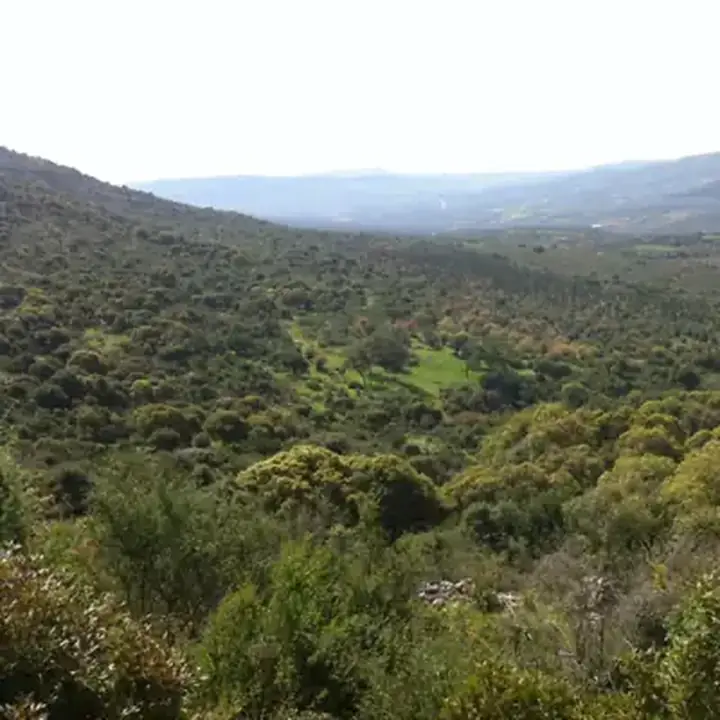
Galilee is a land of green hills and valleys stretching from the plain of Jezreel in the south to the mountains of Lebanon, and from the sea coast to the Jordan. Rain is plentiful and the soil good, so it was well farmed and thickly settled, with fishing villages all round the lake. Roads from the coast to Damascus ran through it, and it had many Gentile neighbours, which is why Isaiah called it "Galilee of the nations" (Isaiah 9:1).
In the Old Testament
The region was shared by Zebulun, Naphtali and their neighbours after the conquest, with Kedesh in Galilee a city of refuge (Joshua 20:7). Solomon gave twenty of its towns to Hiram of Tyre, who was not impressed and called them Cabul (1 Kings 9:11–13). In 732 BC Tiglath-pileser of Assyria overran Galilee and carried its people away (2 Kings 15:29), and Isaiah promised that this darkened land would one day see "a great light" (Isaiah 9:1–2).
In the New Testament
Matthew says that promise was kept when Jesus made Capernaum his base (Matthew 4:12–16). He had grown up in Nazareth in the Galilean hills; he turned water into wine at Cana; he called fishermen on the lake shore, Peter, Andrew, James and John; he preached the Sermon on the Mount, fed five thousand, and did most of his miracles in Galilee (Matthew 4:23–25). The rulers in Jerusalem looked down on the region and its rough accent (Mark 14:70), and sneered, "Out of Galilee ariseth no prophet" (John 7:52), forgetting Jonah of Gath-hepher. Galilean women followed Jesus to the cross (Matthew 27:55), and it was to a mountain in Galilee that the risen Jesus called his disciples and sent them to all nations (Matthew 28:16–20; John 21).
Today
Galilee is the north of modern Israel, from Nazareth and the lake up to the Lebanese border, still farmed and still visited for the places where Jesus walked.
Key verses
- Isaiah 9:1–2
Nevertheless the dimness shall not be such as was in her vexation, when at the first he lightly afflicted the land of Zebulun and the land of Naphtali, and afterward did more grievously afflict her by the way of the sea, beyond Jordan, in Galilee of the nations. The people that walked in darkness have seen a great light: they that dwell in the land of the shadow of death, upon them hath the light shined.
- Matthew 4:12–16
Now when Jesus had heard that John was cast into prison, he departed into Galilee; And leaving Nazareth, he came and dwelt in Capernaum, which is upon the sea coast, in the borders of Zabulon and Nephthalim: That it might be fulfilled which was spoken by Esaias the prophet, saying, …
- Matthew 4:23
And Jesus went about all Galilee, teaching in their synagogues, and preaching the gospel of the kingdom, and healing all manner of sickness and all manner of disease among the people.
- John 7:52
They answered and said unto him, Art thou also of Galilee? Search, and look: for out of Galilee ariseth no prophet.
- Matthew 28:16
Then the eleven disciples went away into Galilee, into a mountain where Jesus had appointed them.
On the map
Mentioned in 72 verses
- Joshua 3
- 1 Kings 1
- 2 Kings 1
- 1 Chronicles 1
- Isaiah 1
- Matthew 15
- Mark 11
- Luke 18
- John 15
- Acts 6
Read next
 Place · LakeSea of GalileeThe freshwater lake in northern Israel where Jesus spent much of his ministry. Here he called fishermen to follow him…
 Person · TribeZebulunJacob's tenth son and the tribe descended from him, settled in the hills of lower Galilee. Jesus grew up and did much…Person · TribeNaphtaliJacob's sixth son, born to Rachel's maid Bilhah, and the tribe that came from him, settled in the hills of northern…
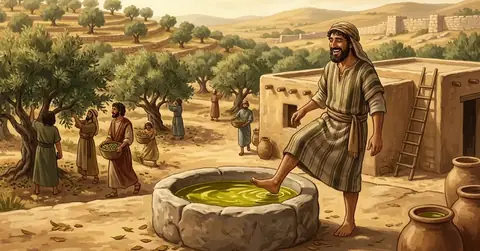 Person · TribeAsherJacob's eighth son, born to Leah's maid Zilpah, and the tribe that came from him. Asher's land was the rich coast north…Person · TribeIssacharJacob's ninth son, the fifth by Leah, and the tribe that came from him, settled in the rich Jezreel valley. Its men in…
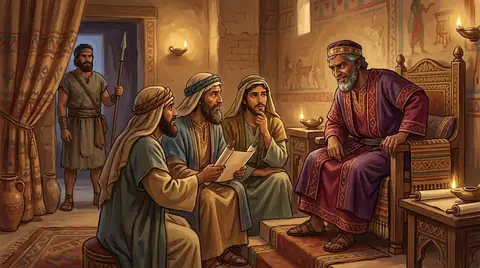 Person · KingHerodThe name of a family of rulers under Rome. Herod the Great tried to kill the infant Jesus; his son Antipas beheaded…
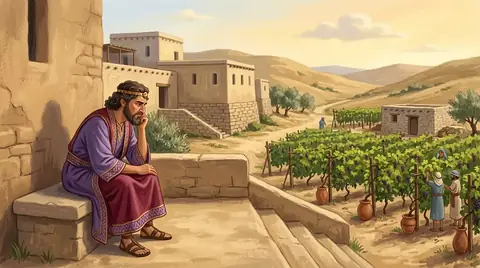 PlaceJezreelThe royal town of Ahab and Jezebel, perched above the great valley that bears its name. Naboth's vineyard lay beside…
Written for this app in its own words, from the Bible, with the facts checked against Bible dictionaries and encyclopedias: Easton's, Smith's, Fausset's, ISBE, Holman, the New Bible Dictionary, Vine's and the Thompson Chain topics. People and places: STEPBible.org (TIPNR), CC BY 4.0; where a place is today and its photo: OpenBible.info, CC BY 4.0.
