
Person · Office
Post
Old Testament · a runner or courier
In the KJV, a royal messenger who carried the king's letters at speed, on foot or on horseback. Hezekiah, the Persian kings and others used them to send word through a whole kingdom.
- Used by
- Hezekiah (2 Chronicles 30:6); King Ahasuerus (Esther 3:13; Esther 8:10)
- Picture of
- Life passing quickly: "swifter than a post" (Job 9:25)
What it was
Kings needed to send orders quickly across their lands, so they kept runners, called "posts" in the King James Version. Some ran on foot; in Persia they rode the king's swift horses and mules in relays from one station to the next.
In the Bible
King Hezekiah sent posts through all Israel and Judah with letters calling the people to come to Jerusalem and keep the Passover, saying, "turn again unto the LORD" (2 Chronicles 30:6). Many laughed at them, but some humbled themselves and came (2 Chronicles 30:10–11).
In the book of Esther, the posts carried Haman's decree to kill all the Jews to every province (Esther 3:13–15). Then, after Haman fell, posts on the fastest horses were sent out, hastened by the king's command, with a second letter allowing the Jews to defend themselves (Esther 8:10–14). Jeremiah pictured runner meeting runner to tell the king of Babylon that his city had been taken (Jeremiah 51:31).
What it meant
Job, in his suffering, said, "my days are swifter than a post: they flee away" (Job 9:25). Life runs past like a royal messenger. The gospel too is good news carried by messengers: "how beautiful are the feet of them that preach the gospel of peace" (Romans 10:15).
Key verses
- 2 Chronicles 30:6
So the posts went with the letters from the king and his princes throughout all Israel and Judah, and according to the commandment of the king, saying, Ye children of Israel, turn again unto the Lord God of Abraham, Isaac, and Israel, and he will return to the remnant of you, that are escaped out of the hand of the kings of Assyria.
- Esther 8:10
And he wrote in the king Ahasuerus’ name, and sealed it with the king’s ring, and sent letters by posts on horseback, and riders on mules, camels, and young dromedaries:
- Esther 8:14
So the posts that rode upon mules and camels went out, being hastened and pressed on by the king’s commandment. And the decree was given at Shushan the palace.
- Job 9:25
Now my days are swifter than a post: they flee away, they see no good.
Read next
 Person · KingHezekiahOne of Judah's best kings. He cleansed the temple, smashed the idols, trusted God when Assyria besieged Jerusalem, and…
 Person · KingAhasuerusThe king of Persia in the book of Esther, who put away Queen Vashti, made Esther his queen, and was tricked by Haman…
 FeastPassoverThe yearly feast remembering the night God rescued Israel from Egypt, when death passed over every house marked with a…
 PersonEstherA Jewish orphan who became queen of Persia and risked her life to stop Haman's plan to kill every Jew in the empire.…
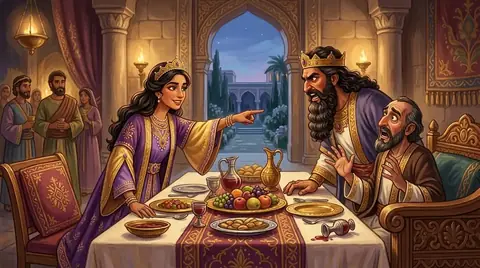 PersonHamanThe proud prime minister of King Ahasuerus of Persia, who plotted to kill every Jew in the empire because Mordecai…
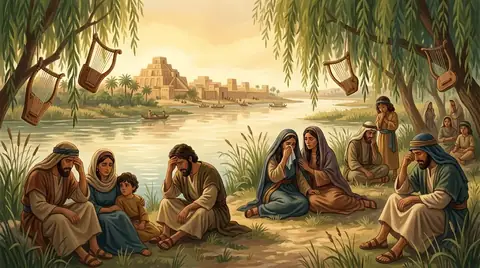 Place · CityBabylonThe great city on the Euphrates where the tower of Babel was built. Under Nebuchadnezzar it ruled the world, destroyed…
Written for this app in its own words, from the Bible, with the facts checked against Bible dictionaries and encyclopedias: Easton's, Smith's, Fausset's, ISBE, Holman, the New Bible Dictionary, Vine's and the Thompson Chain topics.
