
Thing · Daily life
Perfume
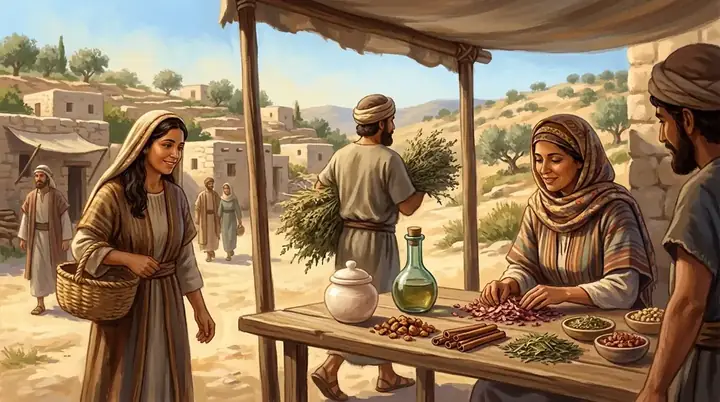
Sweet-smelling oils, powders and incense, made from spices and resins. Perfume was used in worship, for clothes, beds and bodies, and to prepare the dead for burial.
- Made from
- Myrrh, frankincense, cinnamon, cassia, aloes, spikenard and other spices, usually in olive oil
- Used for
- The holy anointing oil and incense; personal scent; beds and clothing; burial
- Key verse
- "Ointment and perfume rejoice the heart" (Proverbs 27:9)
What it was
In a hot land where water was scarce, perfume was more than a luxury. Resins like myrrh and frankincense, barks like cinnamon and cassia, and fragrant roots and plants were ground and steeped in olive oil, or burned as incense. A skilled "apothecary", or perfumer, blended them (Exodus 30:25), and there was a guild of perfumers in Jerusalem after the exile (Nehemiah 3:8).
How it was used
God himself gave the recipe for the oil that anointed the tabernacle and its priests, and for the incense burned on the golden altar, and forbade anyone to copy them for private use (Exodus 30:22–38). Perfume was poured on the head of an honoured guest (Luke 7:46), sprinkled on clothes (Psalms 45:8) and beds (Proverbs 7:17), and carried in little flasks (Isaiah 3:20). The bride of the Song of Songs comes up from the wilderness "perfumed with myrrh and frankincense" (Song of Songs 3:6). It was also used for the dead: Nicodemus brought a hundred pounds of myrrh and aloes to wrap round Jesus' body (John 19:39), and the women came to the tomb with spices on Easter morning (Luke 24:1).
What it meant
Perfume stood for joy and friendship: "ointment and perfume rejoice the heart" (Proverbs 27:9). It also stood for worship rising to God. Paul says the gift the Philippians sent him was "an odour of a sweet smell" (Philippians 4:18), and that Christ gave himself for us as a "sweetsmelling savour" (Ephesians 5:2). When Mary of Bethany poured her costly ointment on Jesus, the house was filled with the fragrance, and he said it would be told wherever the gospel went (John 12:3; Mark 14:9).
Key verses
- Exodus 30:22–25
Moreover the Lord spake unto Moses, saying, Take thou also unto thee principal spices, of pure myrrh five hundred shekels, and of sweet cinnamon half so much, even two hundred and fifty shekels, and of sweet calamus two hundred and fifty shekels, And of cassia five hundred shekels, after the shekel of the sanctuary, and of oil olive an hin: …
- Proverbs 27:9
Ointment and perfume rejoice the heart: so doth the sweetness of a man’s friend by hearty counsel.
- Song of Songs 3:6
Who is this that cometh out of the wilderness like pillars of smoke, perfumed with myrrh and frankincense, with all powders of the merchant?
- John 12:3
Then took Mary a pound of ointment of spikenard, very costly, and anointed the feet of Jesus, and wiped his feet with her hair: and the house was filled with the odour of the ointment.
- Philippians 4:18
But I have all, and abound: I am full, having received of Epaphroditus the things which were sent from you, an odour of a sweet smell, a sacrifice acceptable, wellpleasing to God.
Read next
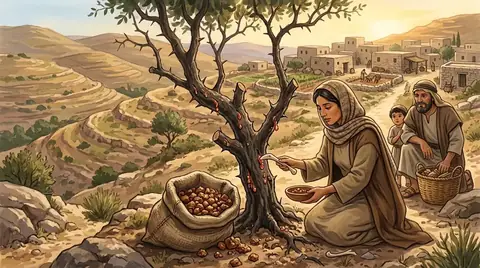 Plant · SpiceMyrrhA bitter, sweet-smelling gum from a thorny desert tree, costly and prized as perfume, medicine and for burial. The wise…
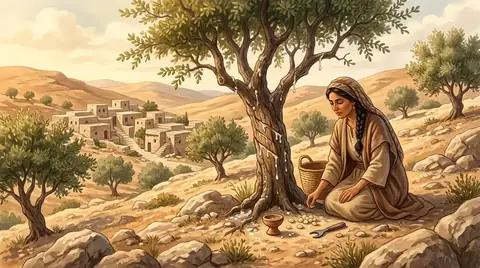 Plant · WorshipFrankincenseA sweet-smelling white resin from a desert tree, burned as incense in the tabernacle and temple and sprinkled on the…PlantCinnamonA sweet spice from the inner bark of a tree that grows far to the east, in Ceylon and India. It went into the holy…
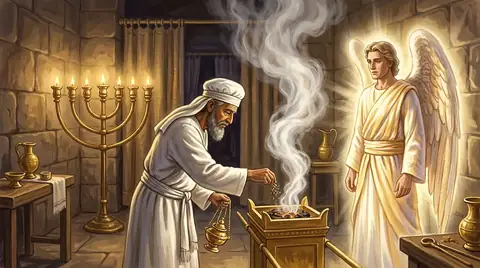 Thing · WorshipIncenseA holy blend of sweet spices that the priest burned on the golden altar of the tabernacle at dawn and at dusk. Its…
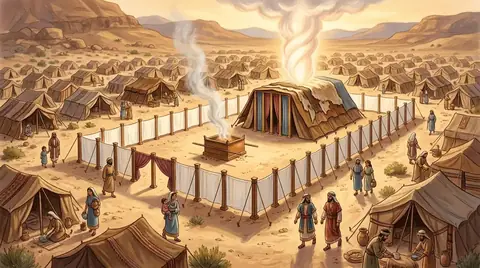 Thing · WorshipThe tabernacleThe holy tent Israel built in the wilderness, by God's own pattern, so that he could dwell in the middle of his people.…
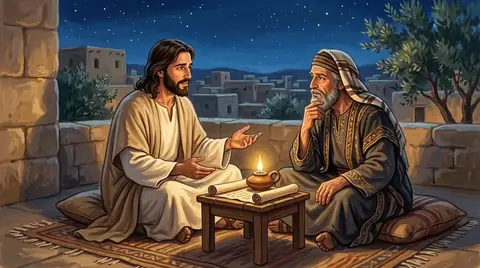 PersonNicodemusThe Pharisee who came to Jesus by night and was told he must be born again. He later spoke up for Jesus in the council…
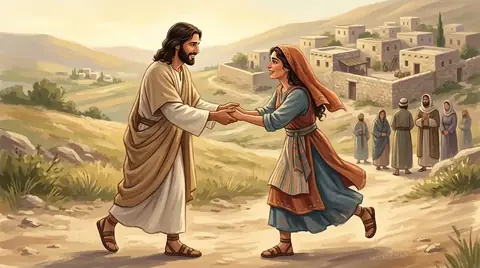 Place · VillageBethanyThe village of Mary, Martha and Lazarus, two miles from Jerusalem over the Mount of Olives. Jesus raised Lazarus here…
Written for this app in its own words, from the Bible, with the facts checked against Bible dictionaries and encyclopedias: Easton's, Smith's, Fausset's, ISBE, Holman, the New Bible Dictionary, Vine's and the Thompson Chain topics.
