
Plant
Cinnamon
A sweet spice from the inner bark of a tree that grows far to the east, in Ceylon and India. It went into the holy anointing oil and was one of the costly goods of Babylon's trade.
- What
- Dried inner bark of a laurel tree, rolled into quills
- Used in
- The holy anointing oil (Exodus 30:23); perfume (Proverbs 7:17; Song of Songs 4:14)
- Where
- Exodus 30:23; Proverbs 7:17; Song of Songs 4:14; Revelation 18:13
What it was
Cinnamon is the thin inner bark of a tree of the laurel family, dried until it curls. The tree did not grow in Egypt or Syria; the spice reached Israel by long trade routes from the east, which makes it a sign of how far goods travelled even in Moses' day. Its warm, sweet scent was prized for perfume and for anointing.
In the Bible
God told Moses to blend "sweet cinnamon" with myrrh, calamus, cassia and olive oil to make the holy anointing oil for the tabernacle and the priests, an oil that was not to be copied for ordinary use (Exodus 30:23–33). The bride in the Song is a garden of spices, cinnamon among them (Song of Songs 4:14). The same sweet smell appears in a darker scene, where the adulteress has perfumed her bed with myrrh, aloes and cinnamon to lure a foolish young man (Proverbs 7:17). At the end of the Bible cinnamon is in the list of luxuries that the merchants can no longer sell when Babylon the Great falls (Revelation 18:13): a reminder that the finest things of earth are not for keeping.
Key verses
- Exodus 30:23
Take thou also unto thee principal spices, of pure myrrh five hundred shekels, and of sweet cinnamon half so much, even two hundred and fifty shekels, and of sweet calamus two hundred and fifty shekels,
- Song of Songs 4:14
Spikenard and saffron; calamus and cinnamon, with all trees of frankincense; myrrh and aloes, with all the chief spices:
- Proverbs 7:17
I have perfumed my bed with myrrh, aloes, and cinnamon.
- Revelation 18:13
And cinnamon, and odours, and ointments, and frankincense, and wine, and oil, and fine flour, and wheat, and beasts, and sheep, and horses, and chariots, and slaves, and souls of men.
Read next
 PersonMosesThe man God used to bring Israel out of Egypt, give them his Law at Sinai, and lead them for forty years in the…
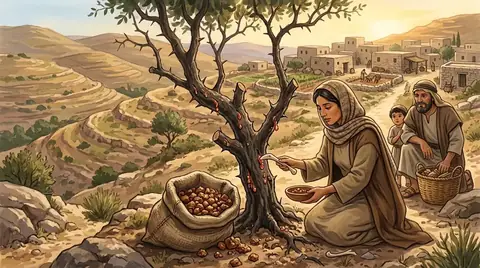 Plant · SpiceMyrrhA bitter, sweet-smelling gum from a thorny desert tree, costly and prized as perfume, medicine and for burial. The wise…PlantCassiaA sweet spice from the bark of a tree like the cinnamon, probably brought from India. It went into the holy anointing…
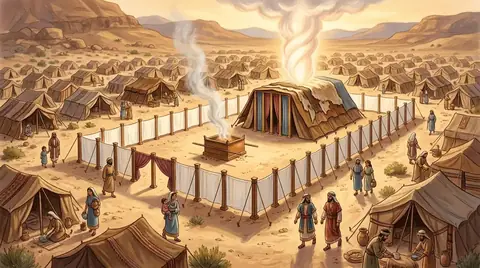 Thing · WorshipThe tabernacleThe holy tent Israel built in the wilderness, by God's own pattern, so that he could dwell in the middle of his people.…Symbol · RevelationBabylon the greatIn Revelation, the name for the proud world city that rules the kings of the earth and persecutes the saints. It is…
Written for this app in its own words, from the Bible, with the facts checked against Bible dictionaries and encyclopedias: Easton's, Smith's, Fausset's, ISBE, Holman, the New Bible Dictionary, Vine's and the Thompson Chain topics.
