
Saying
Gave up the ghost
An old English way of saying "died": the ghost is the spirit or breath, and to give it up is to breathe one's last. Of Jesus the Gospels say he gave up his spirit himself.
- Where
- Genesis 25:8; Genesis 35:29; Genesis 49:33; Matthew 27:50; Luke 23:46; John 19:30; Acts 5:5–10
- Said of
- Abraham, Isaac, Jacob, Jesus, Ananias and Sapphira, Herod Agrippa
What it means
In the English of 1611 a "ghost" was simply a person's spirit, the breath of life that God gives and takes back (Genesis 2:7; Ecclesiastes 12:7). So "he gave up the ghost" means he breathed out and died. The KJV uses it for the quiet deaths of the patriarchs: Abraham "gave up the ghost, and died in a good old age" (Genesis 25:8), and so did Isaac and Jacob, "gathered unto his people" (Genesis 35:29; Genesis 49:33). It is used just as plainly of sudden judgment: Ananias and Sapphira each "fell down, and gave up the ghost" when their lie was exposed (Acts 5:5; Acts 5:10), and Herod, eaten by worms, "gave up the ghost" (Acts 12:23). See also ghost.
Of Jesus
Mark and Luke say Jesus "gave up the ghost" on the cross (Mark 15:37; Luke 23:46), but Matthew and John choose words that say more: he "yielded up the ghost" and "gave up the ghost" after crying "It is finished" (Matthew 27:50; John 19:30). Luke records the cry itself: "Father, into thy hands I commend my spirit" (Luke 23:46). Jesus had said that nobody could take his life away; he was laying it down of his own accord (John 10:18). Death did not overtake him; he handed over his spirit, with the work done.
Key verses
- Genesis 25:8
Then Abraham gave up the ghost, and died in a good old age, an old man, and full of years; and was gathered to his people.
- Luke 23:46
And when Jesus had cried with a loud voice, he said, Father, into thy hands I commend my spirit: and having said thus, he gave up the ghost.
- John 19:30
When Jesus therefore had received the vinegar, he said, It is finished: and he bowed his head, and gave up the ghost.
- John 10:18
No man taketh it from me, but I lay it down of myself. I have power to lay it down, and I have power to take it again. This commandment have I received of my Father.
Read next
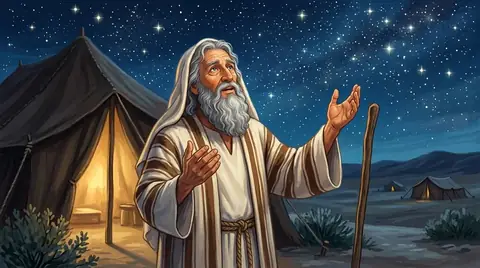 PersonAbrahamThe man God called out of Ur to a land he had never seen, promising him a people and a blessing for the whole world. He…
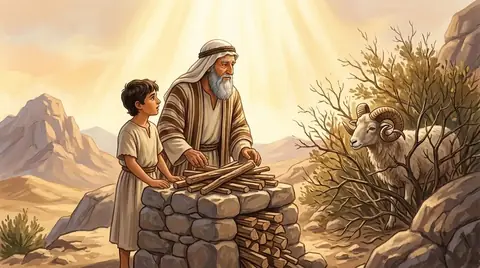 PersonIsaacThe son God promised to Abraham and Sarah when they were far too old for children, offered on Mount Moriah and spared.…
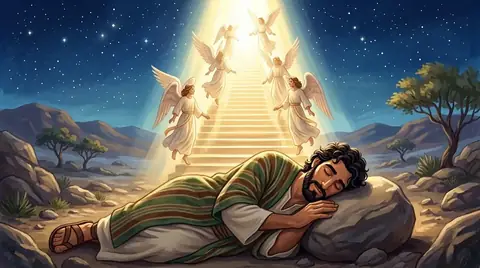 PersonJacobIsaac's younger twin son, who won his brother's birthright and blessing by cunning, was changed by God, and was renamed…
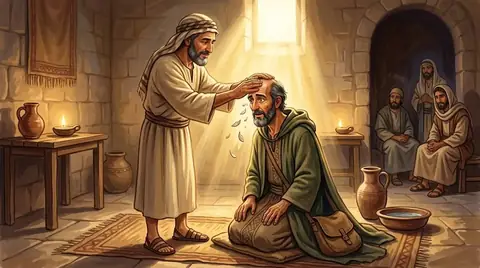 PersonAnaniasThree men in Acts: the believer in Damascus who prayed for Saul and baptised him, the man who lied about his gift and…PersonSapphiraThe wife of Ananias in the first church at Jerusalem. She and her husband lied about a gift to the apostles, and both…
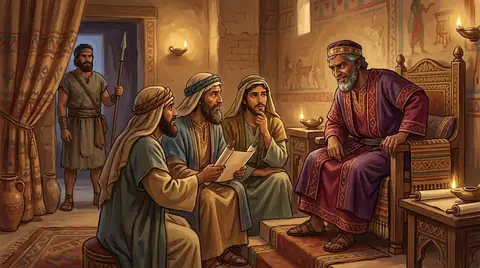 Person · KingHerodThe name of a family of rulers under Rome. Herod the Great tried to kill the infant Jesus; his son Antipas beheaded…
 TeachingSpiritThe Bible's word for breath or wind, and so for the unseen life in a person, for angels and demons, and for God…WordGhostIn the KJV "ghost" is simply an old English word for spirit or breath. "The Holy Ghost" is the Holy Spirit, and to…
Written for this app in its own words, from the Bible, with the facts checked against Bible dictionaries and encyclopedias: Easton's, Smith's, Fausset's, ISBE, Holman, the New Bible Dictionary, Vine's and the Thompson Chain topics.
