
Name of God
El Olam (the Everlasting God)
ELL oh-LAHM
"The everlasting God", the name Abraham used at Beersheba after God had kept his promise and given him Isaac. It says that God had no beginning and will have no end, and that he does not change or tire.
- Meaning
- The everlasting God, the God of the ages
- Where
- Genesis 21:33; Psalms 90:2; Isaiah 40:28; Romans 16:26
- Given by
- Abraham at Beersheba
Abraham had waited twenty-five years for the son God had promised. When Isaac was born and Abraham had made a treaty with Abimelech over the well at Beersheba, he planted a tamarisk tree there and "called there on the name of the LORD, the everlasting God" (Genesis 21:33). A man who had grown old waiting had learned that God is never late and never runs out of time.
Olam means an age, time without a seen end. Used of God it means he was there before anything was made and will be there when everything else is gone. "Before the mountains were brought forth," Moses prayed, "from everlasting to everlasting, thou art God" (Psalms 90:2). "The eternal God is thy refuge, and underneath are the everlasting arms" (Deuteronomy 33:27). Because he is everlasting he does not wear out as we do. Isaiah told weary exiles that the everlasting God "fainteth not, neither is weary", and that those who wait on him will get new strength (Isaiah 40:28–31). Paul ends Romans with the same name, "the everlasting God" (Romans 16:26), whose plan from before time has now been made known in Christ.
Key verses
- Genesis 21:33
And Abraham planted a grove in Beer–sheba, and called there on the name of the Lord, the everlasting God.
- Deuteronomy 33:27
The eternal God is thy refuge, and underneath are the everlasting arms: and he shall thrust out the enemy from before thee; and shall say, Destroy them.
- Psalms 90:2
Before the mountains were brought forth, or ever thou hadst formed the earth and the world, even from everlasting to everlasting, thou art God.
- Isaiah 40:28
Hast thou not known? hast thou not heard, that the everlasting God, the Lord, the Creator of the ends of the earth, fainteth not, neither is weary? there is no searching of his understanding.
- Romans 16:26
But now is made manifest, and by the scriptures of the prophets, according to the commandment of the everlasting God, made known to all nations for the obedience of faith:
Read next
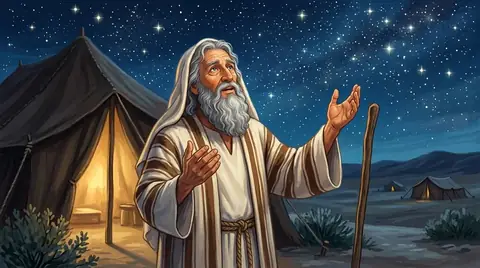 PersonAbrahamThe man God called out of Ur to a land he had never seen, promising him a people and a blessing for the whole world. He…
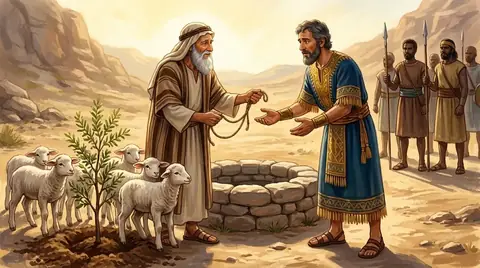 Place · TownBeershebaThe well where Abraham swore a treaty, and the home of all three patriarchs. As the last town before the desert, "from…
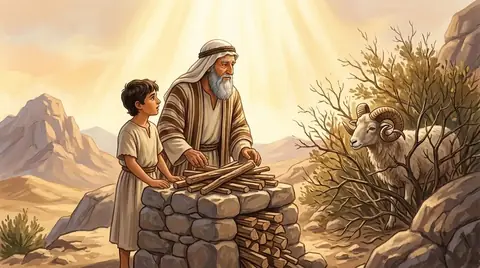 PersonIsaacThe son God promised to Abraham and Sarah when they were far too old for children, offered on Mount Moriah and spared.…PersonAbimelechThe name of the kings of Gerar who dealt with Abraham and Isaac over their wives, and of Gideon's ruthless son who…
 PersonMosesThe man God used to bring Israel out of Egypt, give them his Law at Sinai, and lead them for forty years in the…
 Person · ProphetIsaiahThe prophet of Jerusalem who served four kings, saw the LORD on his throne, and foretold the virgin's son, the…
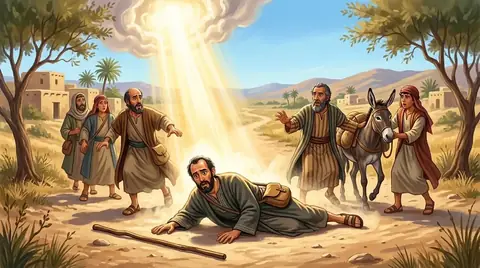 PersonPaulA Pharisee who hated the church until the risen Jesus met him on the road to Damascus. He became the apostle to the…
Written for this app in its own words, from the Bible, with the facts checked against Bible dictionaries and encyclopedias: Easton's, Smith's, Fausset's, ISBE, Holman, the New Bible Dictionary, Vine's and the Thompson Chain topics.
