
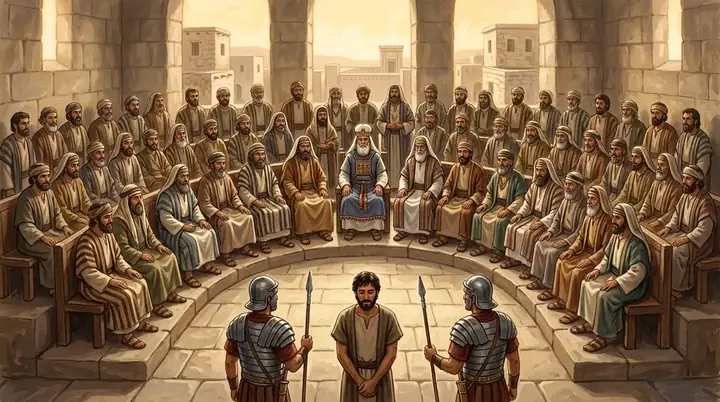
Group
The council (Sanhedrin)
san-HEE-drin
The supreme Jewish court in Jerusalem, seventy-one chief priests, elders and scribes under the high priest. It condemned Jesus and tried Peter, Stephen and Paul, but under Rome it had no power to execute anyone.
- Members
- Chief priests, elders and scribes, Sadducees and Pharisees; the high priest presided
- Met in
- A hall by the temple in Jerusalem
- Tried
- Jesus (Mark 14:55), Peter and John (Acts 4), Stephen (Acts 6–7), Paul (Acts 23)
What it was
The Greek word sanhedrin means a sitting-together, a council. The Jews traced it back to the seventy elders Moses appointed to help him judge the people (Numbers 11:16), and by the time of Christ it was the highest court of the nation, with seventy-one members. The Romans let it govern religious life and much of civil life in Judea, but kept the power of life and death for the governor, which is why the council had to take Jesus to Pilate (John 18:31). Smaller councils sat in the towns, and Jesus warned that his disciples would be dragged before them and beaten in the synagogues (Matthew 10:17; Mark 13:9).
Jesus before the council
After the raising of Lazarus the chief priests and Pharisees called the council together and decided that Jesus must die (John 11:47–53). On the night of his arrest they tried him at the house of Caiaphas, hunting for witnesses against him and finding none that agreed, until the high priest asked him directly whether he was the Christ. Jesus said he was, and they condemned him for blasphemy (Mark 14:55–64). At dawn the whole council confirmed it and sent him to Pilate (Mark 15:1). Two of its members, Nicodemus and Joseph of Arimathea, did not consent (Luke 23:50–51; John 7:50–51).
The apostles before the council
The same court tried Peter and John and could find nothing to do but threaten them (Acts 4:5–21). When it tried all the apostles, the respected teacher Gamaliel persuaded it to let them go (Acts 5:34–40). It heard Stephen's long speech and then stoned him (Acts 7). Years later Paul stood before it and split it by raising the resurrection, over which Pharisees and Sadducees disagreed (Acts 23:1–10).
Also
The meeting of apostles and elders at Jerusalem in Acts 15 is sometimes called a council too, but it was a very different gathering, which decided that Gentile believers need not keep the law of Moses.
Key verses
- John 11:47
Then gathered the chief priests and the Pharisees a council, and said, What do we? for this man doeth many miracles.
- Mark 14:55
And the chief priests and all the council sought for witness against Jesus to put him to death; and found none.
- Acts 4:15
But when they had commanded them to go aside out of the council, they conferred among themselves,
- Acts 5:34
Then stood there up one in the council, a Pharisee, named Gamaliel, a doctor of the law, had in reputation among all the people, and commanded to put the apostles forth a little space;
- Acts 23:1
And Paul, earnestly beholding the council, said, Men and brethren, I have lived in all good conscience before God until this day.
Read next
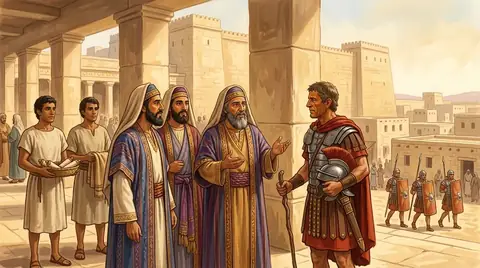 Group · Jewish partySadduceesThe wealthy priestly party that ran the temple in Jesus' day. They held only to the written Law, denied any…
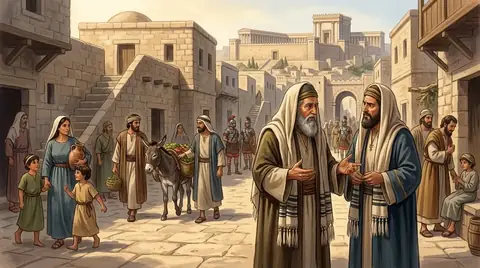 GroupPhariseesThe most exacting of the Jewish religious parties in Jesus' day, devoted to keeping the Law and the traditions added to…
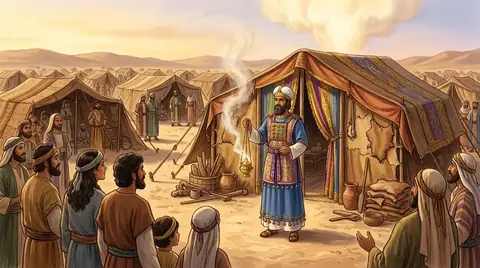 Custom · WorshipThe high priestThe head of Israel's priests, descended from Aaron, who alone went into the Most Holy Place once a year to make…
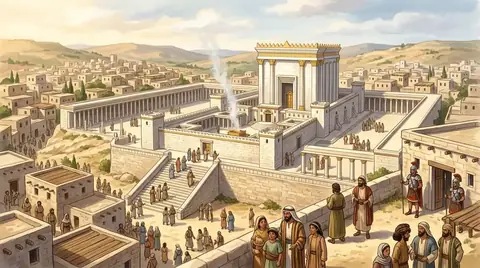 Thing · WorshipThe TempleGod's house in Jerusalem, where he was worshipped and the sacrifices offered. Solomon built it, Babylon burned it, the…
 Person · The Son of GodJesus ChristThe Son of God, born of the virgin Mary, who lived a sinless life, died on a cross for the sins of the world and rose…
 PersonPeterA Galilean fisherman who became the leader of the twelve apostles. Bold and impulsive, he confessed Jesus as the…
 PersonStephenOne of the seven men chosen to care for the widows of the Jerusalem church. Full of faith and the Holy Spirit, he…
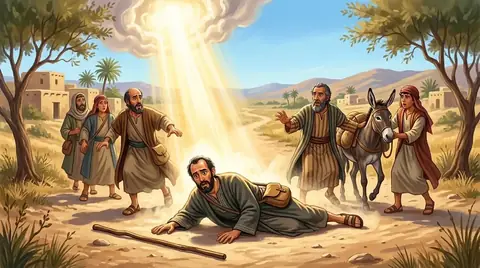 PersonPaulA Pharisee who hated the church until the risen Jesus met him on the road to Damascus. He became the apostle to the…
Written for this app in its own words, from the Bible, with the facts checked against Bible dictionaries and encyclopedias: Easton's, Smith's, Fausset's, ISBE, Holman, the New Bible Dictionary, Vine's and the Thompson Chain topics. Also: Josephus, Antiquities; Edersheim, Sketches of Jewish Social Life.
