
Custom
Bequests
Property handed on to others at death. In Israel land passed by law to sons, or to daughters if there were none, but a father could also give gifts and set his house in order before he died. Hebrews uses a will to explain Christ's death.
- The law
- Numbers 27:8–11; Deuteronomy 21:15–17
- Examples
- Abraham (Genesis 25:5–6); Jacob (Genesis 48:21–22); Hezekiah told to set his house in order (2 Kings 20:1)
- Compare
- Heir, Birthright, Testament
In Israel
The law laid down who inherited. The firstborn son received a double share, even if his mother was the less loved wife (Deuteronomy 21:15–17). If a man had no son, his land went to his daughters, then to his brothers, then to his nearest kin, so that it stayed in the family and tribe (Numbers 27:8–11). Within these rules a father could still make gifts. Abraham "gave all that he had unto Isaac", but gave gifts to his other sons while he lived and sent them away east (Genesis 25:5–6). Jacob gave Joseph one portion more than his brothers (Genesis 48:22). Isaiah told King Hezekiah, "Set thine house in order; for thou shalt die" (2 Kings 20:1).
"A good man leaveth an inheritance to his children's children" (Proverbs 13:22).
Christ's will
Hebrews notes that a will takes effect only when the one who made it has died (Hebrews 9:16–17). So Christ died, that those he called might receive "the promise of eternal inheritance" (Hebrews 9:15).
Key verses
- Numbers 27:8
And thou shalt speak unto the children of Israel, saying, If a man die, and have no son, then ye shall cause his inheritance to pass unto his daughter.
- Deuteronomy 21:17
But he shall acknowledge the son of the hated for the firstborn, by giving him a double portion of all that he hath: for he is the beginning of his strength; the right of the firstborn is his.
- Genesis 25:5–6
And Abraham gave all that he had unto Isaac. But unto the sons of the concubines, which Abraham had, Abraham gave gifts, and sent them away from Isaac his son, while he yet lived, eastward, unto the east country.
- Proverbs 13:22
A good man leaveth an inheritance to his children’s children: and the wealth of the sinner is laid up for the just.
- Hebrews 9:15–17
And for this cause he is the mediator of the new testament, that by means of death, for the redemption of the transgressions that were under the first testament, they which are called might receive the promise of eternal inheritance. For where a testament is, there must also of necessity be the death of the testator. For a testament is of force after men are dead: otherwise it is of no strength at all while the testator liveth.
Read next
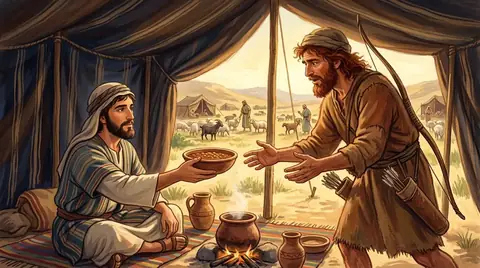 Custom · FamilyThe birthrightThe special rights of the eldest son: a double share of what his father left and leadership of the family. Esau sold…WordTestamentIn the King James Bible "testament" means covenant, God's binding promise. The "new testament" is the covenant Jesus…
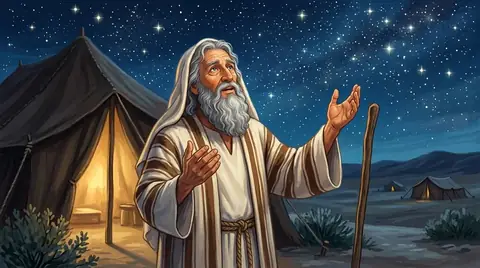 PersonAbrahamThe man God called out of Ur to a land he had never seen, promising him a people and a blessing for the whole world. He…
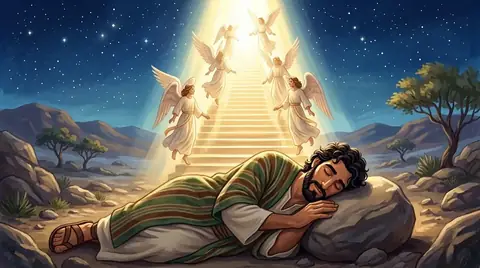 PersonJacobIsaac's younger twin son, who won his brother's birthright and blessing by cunning, was changed by God, and was renamed…
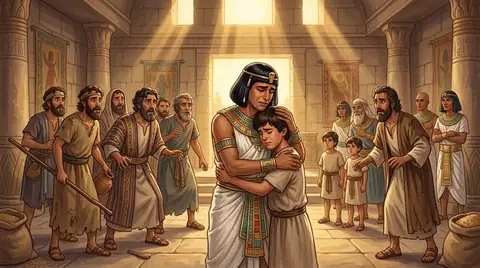 PersonJosephJacob's favourite son, sold by his brothers into Egypt, where he rose from prison to rule the land and saved his family…
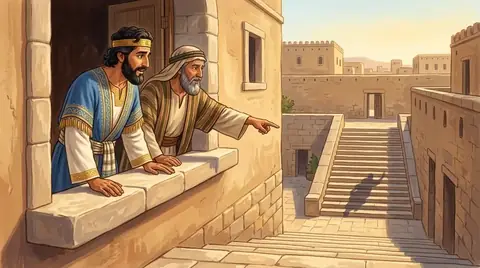 Person · ProphetIsaiahThe prophet of Jerusalem who served four kings, saw the LORD on his throne, and foretold the virgin's son, the…
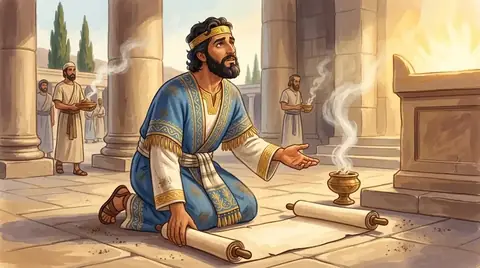 Person · KingHezekiahOne of Judah's best kings. He cleansed the temple, smashed the idols, trusted God when Assyria besieged Jerusalem, and…
Written for this app in its own words, from the Bible, with the facts checked against Bible dictionaries and encyclopedias: Easton's, Smith's, Fausset's, ISBE, Holman, the New Bible Dictionary, Vine's and the Thompson Chain topics.
