
Custom · Idolatry
Bamah
BAH-mahmeans "high place"
The Hebrew word for a "high place", a hilltop shrine where Israel worshipped idols. Ezekiel plays on the word to mock the people for going there.
- Where
- Ezekiel 20:29; the plural is "high places" in hundreds of verses
- What it was
- A hilltop altar, often with a pillar and an Asherah pole
Bamah is simply the Hebrew word for a high place. Israel's neighbours built their altars on hilltops, under green trees, and Israel copied them; the kings who "took away the high places" were praised, and those who left them were blamed. The word is kept untranslated only once, in Ezekiel 20:29, where God asks the people, "What is the high place whereunto ye go?" and notes that the name Bamah has stuck to it. It is a pun that doesn't carry into English: the Hebrew sounds like "What? Go!", as if the very name asked what on earth they were doing there.
In Numbers 22:41 the plural is a place name, Bamoth-baal, "the high places of Baal", where Balak took Balaam to curse Israel. In Ezekiel 36:2 Israel's enemies gloat that "the ancient high places are ours". See High places for the full story.
Key verses
- Ezekiel 20:29
Then I said unto them, What is the high place whereunto ye go? And the name thereof is called Bamah unto this day.
- Numbers 22:41
And it came to pass on the morrow, that Balak took Balaam, and brought him up into the high places of Baal, that thence he might see the utmost part of the people.
- Ezekiel 36:2
Thus saith the Lord God; Because the enemy hath said against you, Aha, even the ancient high places are ours in possession:
Read next
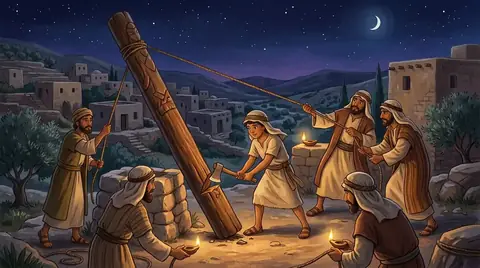 Custom · IdolatryAsherah polesWooden poles or carved trees that stood beside Canaanite altars in honour of the goddess Asherah. God told Israel to…
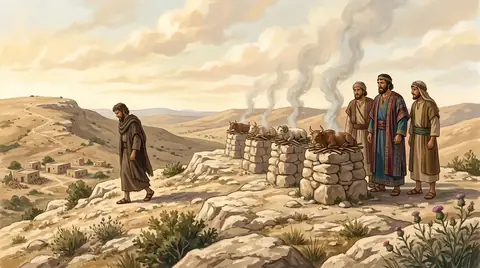 Person · King of MoabBalakMoab's king, who paid Balaam to put a curse on Israel as they camped along his border. Seven altars on three hilltops…
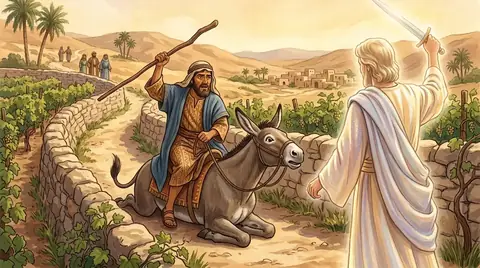 Person · ProphetBalaamA soothsayer hired by the king of Moab to curse Israel. God let him go but put only blessings in his mouth; his donkey…
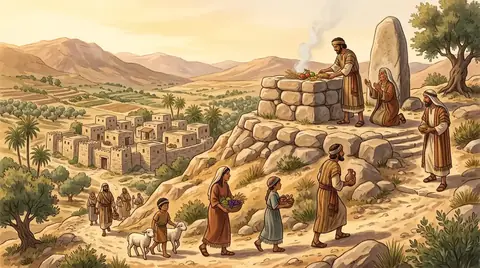 Custom · WorshipHigh placesHilltop shrines with an altar and often a sacred pillar or pole. The Canaanites worshipped their gods there; Israel…
Written for this app in its own words, from the Bible, with the facts checked against Bible dictionaries and encyclopedias: Easton's, Smith's, Fausset's, ISBE, Holman, the New Bible Dictionary, Vine's and the Thompson Chain topics.
