
Custom · Worship
High places
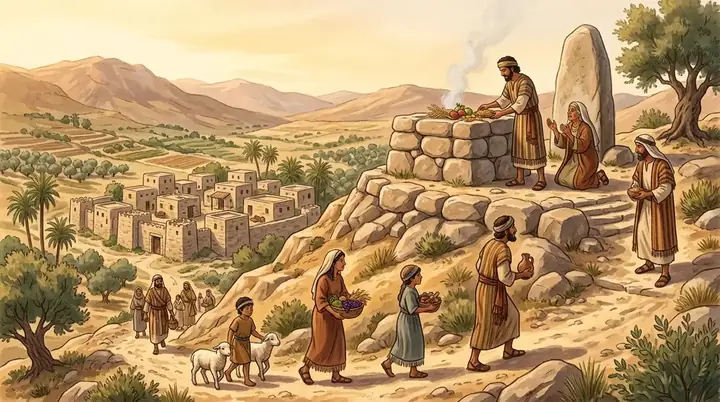
Hilltop shrines with an altar and often a sacred pillar or pole. The Canaanites worshipped their gods there; Israel kept using them, first for the LORD and then for idols, until good kings tore them down.
- What was there
- An altar, often a standing stone, an Asherah pole and a building for the feast (1 Samuel 9:22)
- Destroyed by
- Hezekiah (2 Kings 18:4) and Josiah (2 Kings 23:8–20)
- Where
- Numbers 33:52; 1 Kings 3:2–4; 1 Kings 12:31; 2 Kings 17:9–11; Jeremiah 7:31
What they were
People in Canaan felt closer to their gods on a hilltop, so they built their shrines there: an altar of stone or earth, a tall standing stone, a wooden pole for the goddess Asherah, and sometimes a hall where worshippers ate the sacrifice. Later, "high place" came to mean any such shrine, even one built in a valley or a city street. Before Israel crossed the Jordan, God told them to destroy every one of them (Numbers 33:52; Deuteronomy 12:2–3), and to bring their sacrifices to the one place he would choose.
Israel's weakness
Israel did not obey. Until the temple was built, even faithful men used high places to worship the LORD: Samuel blessed the sacrifice at one (1 Samuel 9:12–14), and young Solomon offered a thousand burnt offerings at the great high place at Gibeon, where God appeared to him (1 Kings 3:4–5). But the habit was dangerous. Solomon himself built high places for his foreign wives' gods (1 Kings 11:7), Jeroboam set up shrines and priests of his own in the north (1 Kings 12:31), and soon every hill and green tree had its altar (1 Kings 14:23). The worst of them, in the valley of Hinnom, was for burning children (Jeremiah 7:31). Even good kings like Asa and Jehoshaphat "took not away the high places". Only Hezekiah and Josiah pulled them down, and under their successors they came back.
What to learn
A high place was worship on one's own terms: convenient, local, mixed with whatever the neighbours did. God asked for worship on his terms, in the place and the way he had chosen. Jesus told the woman of Samaria that the hour had come when true worshippers would worship neither on her mountain nor in Jerusalem but "in spirit and in truth" (John 4:21–24).
Key verses
- Deuteronomy 12:2–5
Ye shall utterly destroy all the places, wherein the nations which ye shall possess served their gods, upon the high mountains, and upon the hills, and under every green tree: And ye shall overthrow their altars, and break their pillars, and burn their groves with fire; and ye shall hew down the graven images of their gods, and destroy the names of them out of that place. Ye shall not do so unto the Lord your God. …
- 1 Kings 3:2–4
Only the people sacrificed in high places, because there was no house built unto the name of the Lord, until those days. And Solomon loved the Lord, walking in the statutes of David his father: only he sacrificed and burnt incense in high places. And the king went to Gibeon to sacrifice there; for that was the great high place: a thousand burnt offerings did Solomon offer upon that altar.
- 1 Kings 14:23
For they also built them high places, and images, and groves, on every high hill, and under every green tree.
- 2 Kings 18:4
He removed the high places, and brake the images, and cut down the groves, and brake in pieces the brasen serpent that Moses had made: for unto those days the children of Israel did burn incense to it: and he called it Nehushtan.
- 2 Kings 23:8
And he brought all the priests out of the cities of Judah, and defiled the high places where the priests had burned incense, from Geba to Beer–sheba, and brake down the high places of the gates that were in the entering in of the gate of Joshua the governor of the city, which were on a man’s left hand at the gate of the city.
Read next
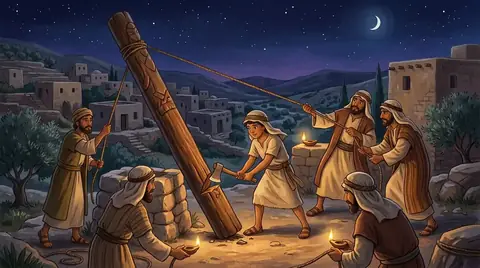 Custom · IdolatryAsherah polesWooden poles or carved trees that stood beside Canaanite altars in honour of the goddess Asherah. God told Israel to…
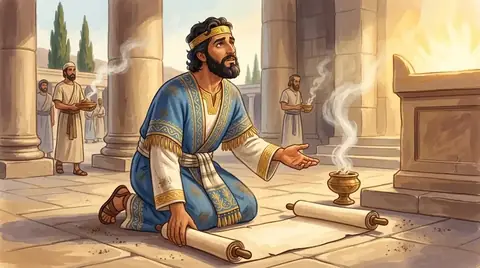 Person · KingHezekiahOne of Judah's best kings. He cleansed the temple, smashed the idols, trusted God when Assyria besieged Jerusalem, and…
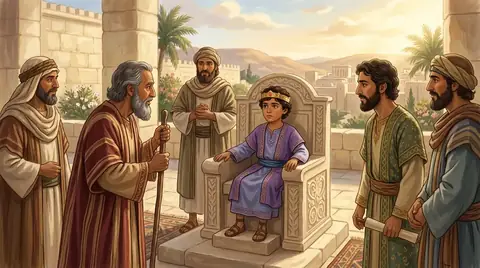 PersonJosiahThe boy king of Judah who turned the nation back to God. When the lost Book of the Law was found in the temple, he tore…
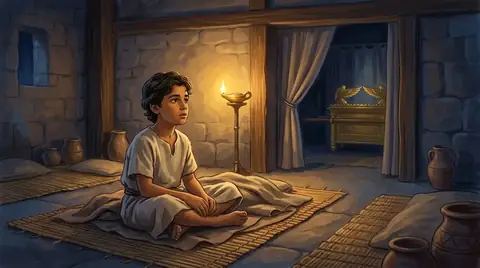 Person · Prophet and judgeSamuelThe prophet who led Israel from the time of the judges into the time of the kings. Given to God by his mother Hannah…
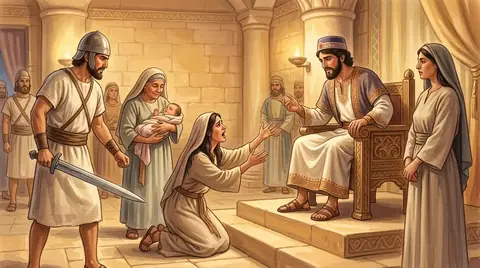 Person · KingSolomonDavid's son and Israel's third king, who asked God for wisdom and received riches and fame as well. He built the temple…
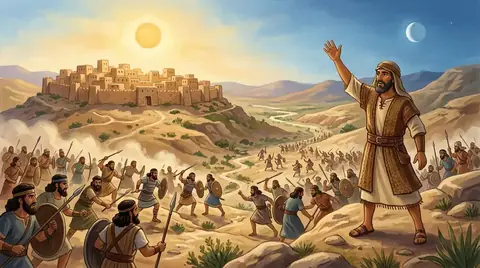 Place · CityGibeonThe Hivite city whose people fooled Joshua into a treaty, and where the sun stood still over the battle that followed.…
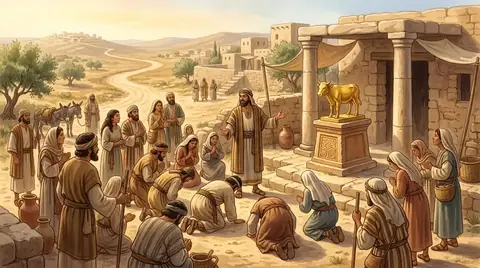 PersonJeroboamSolomon's overseer who became the first king of the breakaway northern kingdom. He set up golden calves at Bethel and…Place · ValleyHinnomA deep, narrow valley below the south side of Jerusalem. There kings of Judah burned their children to Molech, and its…
Written for this app in its own words, from the Bible, with the facts checked against Bible dictionaries and encyclopedias: Easton's, Smith's, Fausset's, ISBE, Holman, the New Bible Dictionary, Vine's and the Thompson Chain topics.
