
Word · Greek
World: oikoumenē, the inhabited world
oy-koo-MEN-ay
The Greek oikoumenē means the inhabited earth, the lands where people live; in Roman times, often simply the Empire. Caesar taxed "all the world", and the apostles turned it upside down.
- Greek
- oikoumenē, from oikos, a house: the settled, lived-in world
- Where
- Luke 2:1; Luke 4:5; Acts 11:28; Acts 17:6; Acts 17:31; Romans 10:18; Hebrews 2:5; Revelation 3:10
What it means
Greek has several words for "world". Kosmos is the ordered universe, or the world of people. Aiōn is an age. Oikoumenē is the world as a place where people live: the settled lands, as against sea and desert. Greeks used it for the civilised world as they knew it, and under Rome it often meant the Empire, which to Romans was the world that counted.
Where it is used
Caesar Augustus decreed "that all the world should be taxed" (Luke 2:1): the Roman world, registered for tax, which is why Joseph and Mary were in Bethlehem. Agabus foretold a famine "throughout all the world" (Acts 11:28), and one came in the reign of Claudius. The mob at Thessalonica complained that the men who had "turned the world upside down" had arrived in their city (Acts 17:6). Paul told Athens that God had fixed a day to judge the world by the man he had raised (Acts 17:31). The gospel of the kingdom will be preached "in all the world" for a witness to all nations (Matthew 24:14). Hebrews speaks of "the world to come", the inhabited world of the age to come, put under Christ's feet (Hebrews 2:5).
For us
The word is a reminder that the gospel is for the whole lived-in earth, every land and city with people in it, not for a corner of it. See also World: aiōn, the age.
Key verses
- Luke 2:1
And it came to pass in those days, that there went out a decree from Cesar Augustus, that all the world should be taxed.
- Acts 17:6
And when they found them not, they drew Jason and certain brethren unto the rulers of the city, crying, These that have turned the world upside down are come hither also;
- Acts 17:31
Because he hath appointed a day, in the which he will judge the world in righteousness by that man whom he hath ordained; whereof he hath given assurance unto all men, in that he hath raised him from the dead.
- Matthew 24:14
And this gospel of the kingdom shall be preached in all the world for a witness unto all nations; and then shall the end come.
- Hebrews 2:5
For unto the angels hath he not put in subjection the world to come, whereof we speak.
Read next
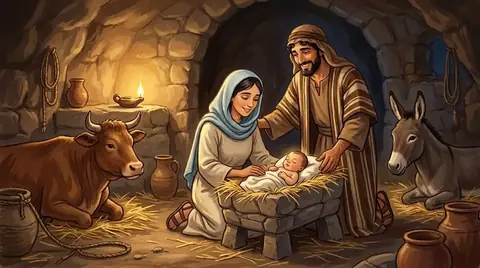 PlaceBethlehemA small town in the hills of Judah, five miles south of Jerusalem. It was the home of Ruth and Boaz, the birthplace of…
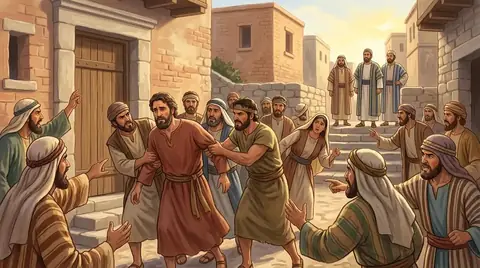 PlaceThessalonicaA busy port and the chief city of Macedonia. Paul founded a church there on his second journey and later wrote it two…Word · GreekWorld: aiōn, the ageWhere the King James Bible says "world" it often translates aiōn, an age: a stretch of time with its own ways and…
Written for this app in its own words, from the Bible, with the facts checked against Bible dictionaries and encyclopedias: Easton's, Smith's, Fausset's, ISBE, Holman, the New Bible Dictionary, Vine's and the Thompson Chain topics. Also: Strong's Greek lexicon; Thayer's Greek-English Lexicon.
