
Place · City
Sidon
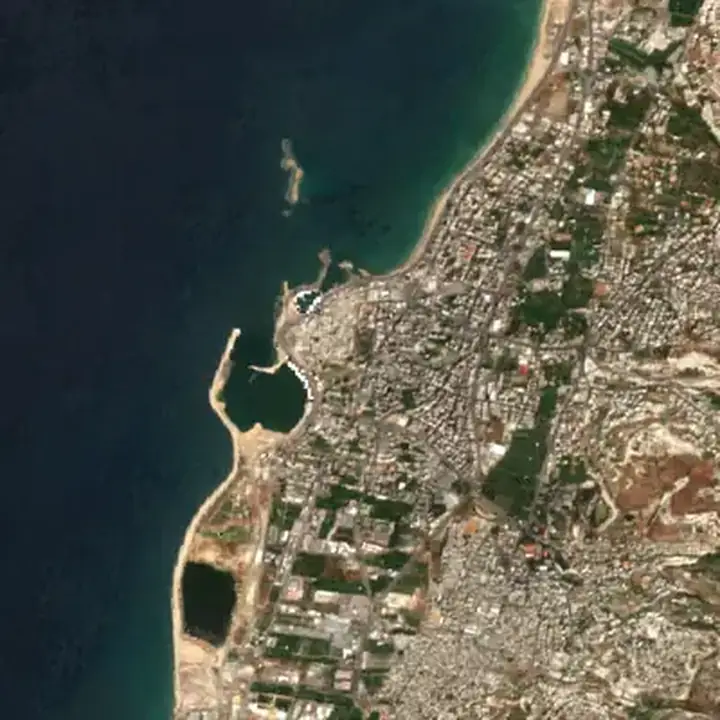
SY-donAlso spelt Zidon · today Saida, on the coast of Lebanon, 25 miles (40 km) north of Tyre
One of the two great Phoenician port cities, with Tyre. Its sailors and craftsmen were famous, its goddess Ashtoreth was a snare to Israel, and Jezebel was a Sidonian princess. Jesus visited the region.
- Where
- On the Mediterranean coast north of Tyre, at the edge of the land promised to Asher (Joshua 19:28)
- Known for
- Sailors, cedar and craftsmen; the worship of Ashtoreth; Jezebel; Jesus and the Canaanite woman
- Where
- Genesis 10:19; Judges 1:31; 1 Kings 16:31; 1 Kings 17:9; Ezekiel 28:21–23; Matthew 11:21–22; Mark 7:24–31; Acts 27:3
Where
Sidon was named after the firstborn son of Canaan (Genesis 10:15), and in Genesis it already marks the northern edge of Canaanite land (Genesis 10:19). It lies on a small headland on the coast of what is now Lebanon, with a good harbour, and it was old when Tyre was young; the Greeks called all Phoenicians "Sidonians". Asher was given land up to Sidon but never took the city (Judges 1:31), and its people lived in ease and safety behind their walls (Judges 18:7).
Why it mattered
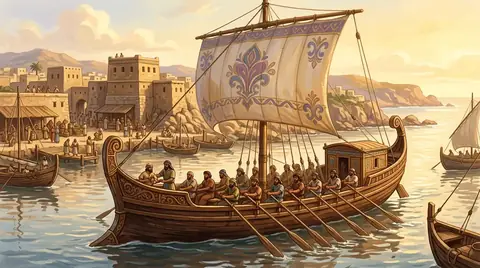
The Sidonians were the best seamen and woodcutters of the ancient world. When Solomon wanted cedar for the temple, he told Hiram that "there is not among us any that can skill to hew timber like unto the Sidonians" (1 Kings 5:6), and they floated the logs down the coast again when the second temple was built (Ezra 3:7). Ezekiel pictures Tyre as a splendid ship with Sidonian oarsmen (Ezekiel 27:8).
The trouble was their gods. Israel turned to "the gods of Zidon" in the days of the judges (Judges 10:6); Solomon built a shrine for Ashtoreth, "the goddess of the Zidonians", to please his foreign wives (1 Kings 11:5); and Ahab married Jezebel, daughter of the king of the Sidonians, who brought the worship of Baal into Israel with all its force (1 Kings 16:31). Yet it was to Zarephath, a village in Sidon's territory, that God sent Elijah in the famine, and a poor widow there fed him (1 Kings 17:9).
The prophets spoke against Sidon's pride and trade (Isaiah 23:2–4; Jeremiah 25:22; Joel 3:4), and God said he would be glorified in its judgement (Ezekiel 28:21–23).
In the New Testament
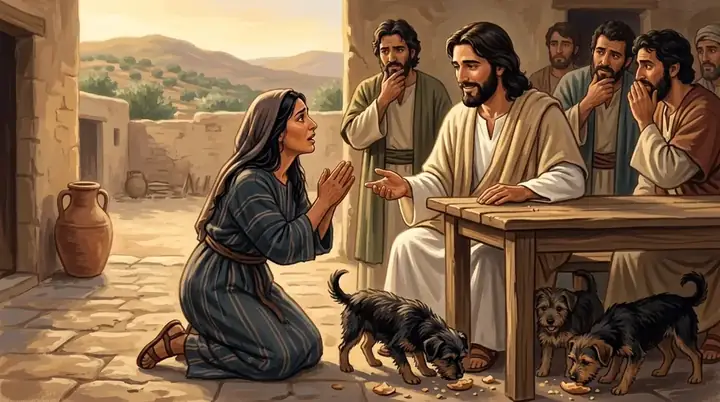
Crowds from Tyre and Sidon came to hear Jesus (Mark 3:8), and he himself went up into that region, where a Gentile woman begged him for her daughter and would not take no for an answer (Matthew 15:21–28; Mark 7:24–31). Jesus said that if Tyre and Sidon had seen his miracles they would have repented long ago, and that it would go easier for them on the day of judgement than for Chorazin and Bethsaida (Matthew 11:21–22). Paul, a prisoner on his way to Rome, was allowed ashore at Sidon to see his friends (Acts 27:3).
Today
Saida is a busy Lebanese port of about 80,000 people. Its sea castle stands on the ruins of the old harbour, and the royal tombs of ancient Sidon, with their carved stone coffins, are in museums in Istanbul and Beirut.
Key verses
- Genesis 10:19
And the border of the Canaanites was from Sidon, as thou comest to Gerar, unto Gaza; as thou goest, unto Sodom, and Gomorrah, and Admah, and Zeboim, even unto Lasha.
- 1 Kings 5:6
Now therefore command thou that they hew me cedar trees out of Lebanon; and my servants shall be with thy servants: and unto thee will I give hire for thy servants according to all that thou shalt appoint: for thou knowest that there is not among us any that can skill to hew timber like unto the Sidonians.
- 1 Kings 16:31
And it came to pass, as if it had been a light thing for him to walk in the sins of Jeroboam the son of Nebat, that he took to wife Jezebel the daughter of Ethbaal king of the Zidonians, and went and served Baal, and worshipped him.
- 1 Kings 17:9
Arise, get thee to Zarephath, which belongeth to Zidon, and dwell there: behold, I have commanded a widow woman there to sustain thee.
- Matthew 11:21–22
Woe unto thee, Chorazin! woe unto thee, Bethsaida! for if the mighty works, which were done in you, had been done in Tyre and Sidon, they would have repented long ago in sackcloth and ashes. But I say unto you, It shall be more tolerable for Tyre and Sidon at the day of judgment, than for you.
- Mark 7:24
And from thence he arose, and went into the borders of Tyre and Sidon, and entered into an house, and would have no man know it: but he could not be hid.
On the map
Mentioned in 47 verses
- Genesis 2
- Deuteronomy 1
- Joshua 4
- Judges 6
- 2 Samuel 1
- 1 Kings 6
- 2 Kings 1
- 1 Chronicles 1
- Ezra 1
- Isaiah 3
- Jeremiah 3
- Ezekiel 4
- Joel 1
- Zechariah 1
- Matthew 3
- Mark 3
- Luke 4
- Acts 2
Read next
 Place · CityTyreThe great trading port of Phoenicia, on the coast north of Israel. Its king Hiram helped build Solomon's temple; later…
 Person · TribeAsherJacob's eighth son, born to Leah's maid Zilpah, and the tribe that came from him. Asher's land was the rich coast north…IdolAshtorethThe chief goddess of the Canaanites and Phoenicians, worshipped beside Baal as a goddess of love, fertility and war.…
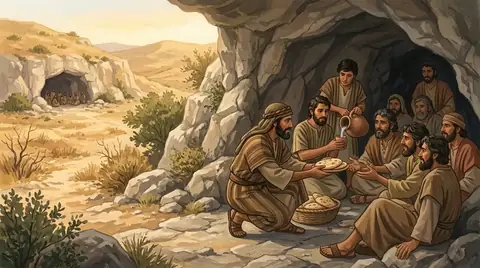 PersonJezebelAhab's foreign queen, who brought Baal worship to Israel, killed the LORD's prophets and had Naboth stoned for his…
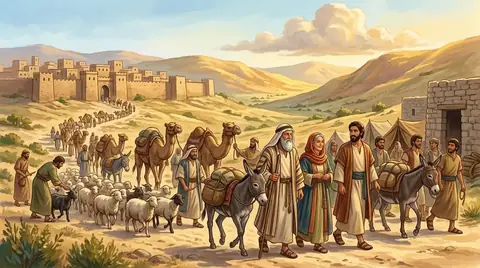 PlaceCanaanThe land between the Jordan and the Mediterranean that God promised to Abraham and gave to Israel under Joshua. It took…
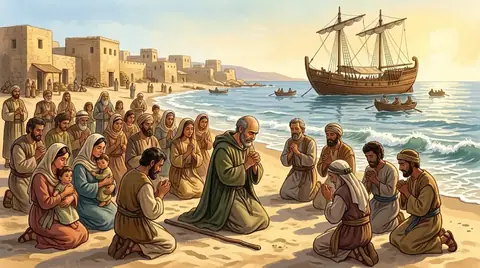 PlacePhoeniciaThe narrow coastland north of Israel, home of the sea-trading cities of Tyre and Sidon. In Acts, believers brought the…
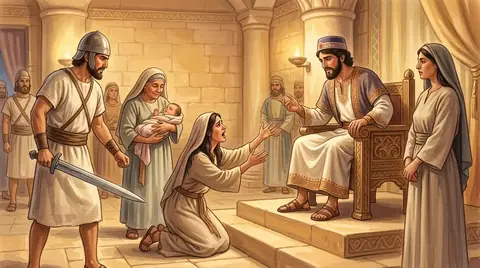 Person · KingSolomonDavid's son and Israel's third king, who asked God for wisdom and received riches and fame as well. He built the temple…
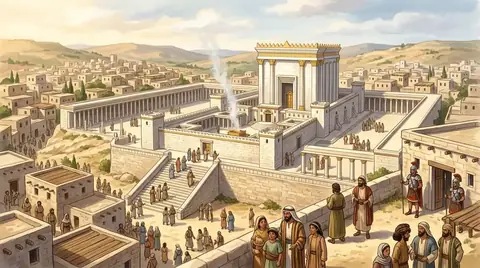 Thing · WorshipThe TempleGod's house in Jerusalem, where he was worshipped and the sacrifices offered. Solomon built it, Babylon burned it, the…
Written for this app in its own words, from the Bible, with the facts checked against Bible dictionaries and encyclopedias: Easton's, Smith's, Fausset's, ISBE, Holman, the New Bible Dictionary, Vine's and the Thompson Chain topics. People and places: STEPBible.org (TIPNR), CC BY 4.0; where a place is today and its photo: OpenBible.info, CC BY 4.0.
