
Plant · Grain
Rye
Also called spelt · Hebrew kussemeth · "rie" in the King James Version
A hardy grain, almost certainly spelt rather than true rye, grown in Egypt and Israel and used in bread. It survived the plague of hail because it ripens later than barley and flax.
- Where
- Exodus 9:32; Isaiah 28:25; Ezekiel 4:9 ("fitches")
- What
- Spelt, a rough-grained kind of wheat
The grain the King James Version calls "rie" was not the rye of northern Europe, which was unknown in the ancient East, but spelt, a tough, hard-husked cousin of wheat. It grows on poorer soil and ripens late, so farmers sowed it along the edges of their fields.
It appears three times. When the plague of hail flattened the flax and barley of Egypt, the wheat and the rye were spared, because they had not yet come up (Exodus 9:32). Isaiah describes a wise farmer sowing each crop in its proper place, with the rye "in their place" at the border (Isaiah 28:25), a picture of how God works with people in different ways. And Ezekiel was told to bake his siege bread from a mixture of wheat, barley, beans, lentils, millet and "fitches", which is the same Hebrew word, a poor man's loaf made from whatever was left (Ezekiel 4:9).
Key verses
- Exodus 9:32
But the wheat and the rie were not smitten: for they were not grown up.
- Isaiah 28:25
When he hath made plain the face thereof, doth he not cast abroad the fitches, and scatter the cummin, and cast in the principal wheat and the appointed barley and the rie in their place?
- Ezekiel 4:9
Take thou also unto thee wheat, and barley, and beans, and lentiles, and millet, and fitches, and put them in one vessel, and make thee bread thereof, according to the number of the days that thou shalt lie upon thy side, three hundred and ninety days shalt thou eat thereof.
Read next
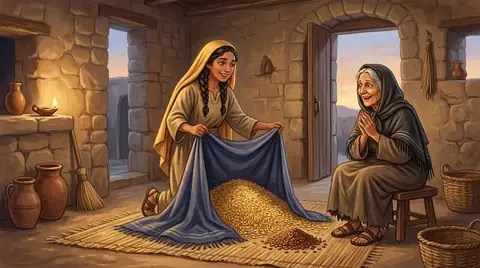 Plant · FoodBarleyThe grain of the poor, cheaper than wheat and the first to ripen, at Passover. Ruth gleaned it, Gideon's enemy dreamed…
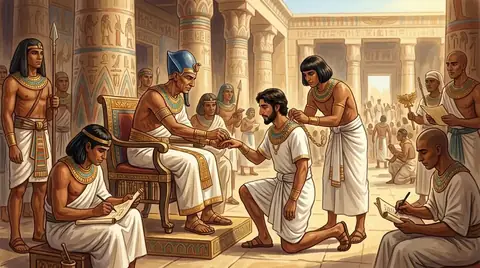 Place · NationEgyptThe great kingdom of the Nile, where Israel grew from a family into a nation and was then enslaved. The Exodus from…
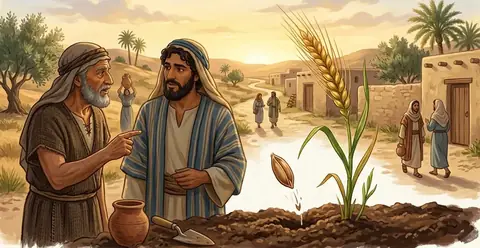 Plant · FoodWheatThe main bread grain of Bible lands, sown in autumn and reaped in early summer. Its harvest, its threshing and its…
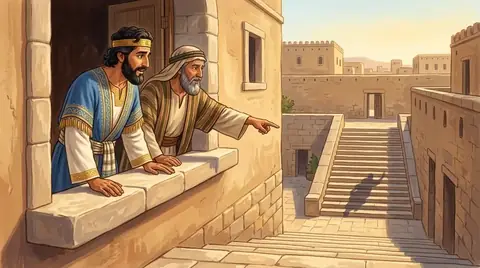 Person · ProphetIsaiahThe prophet of Jerusalem who served four kings, saw the LORD on his throne, and foretold the virgin's son, the…
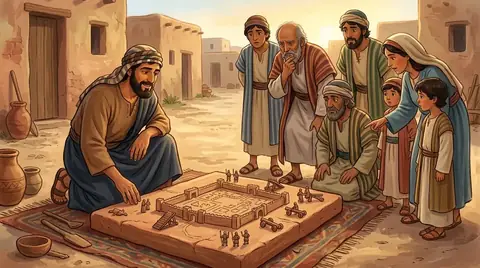 PersonEzekielA priest and prophet taken to Babylon with the exiles from Judah. By the river Chebar he saw visions of God's glory and…
Written for this app in its own words, from the Bible, with the facts checked against Bible dictionaries and encyclopedias: Easton's, Smith's, Fausset's, ISBE, Holman, the New Bible Dictionary, Vine's and the Thompson Chain topics.
