
Teaching · Bible
Poetry
About a third of the Old Testament is poetry
A large part of the Bible is poetry: Psalms, Proverbs, Job, the Song of Solomon and most of the prophets. Hebrew poetry works by matching ideas line against line, not by rhyme.
- Poetic books
- Job, Psalms, Proverbs, Ecclesiastes, the Song of Solomon, Lamentations
- Famous songs
- Moses (Exodus 15), Deborah (Judges 5), Hannah (1 Samuel 2), David's lament (2 Samuel 1:19–27), Mary (Luke 1:46–55)
- Acrostics
- Psalms 25, 34, 37, 111, 112, 119 and 145; Proverbs 31:10–31; Lamentations 1–4
How it works
English poems rhyme sounds; Hebrew poems rhyme thoughts. A line says something, and the next line answers it. Sometimes it repeats the idea in fresh words: "The heavens declare the glory of God; and the firmament sheweth his handywork" (Psalms 19:1). Sometimes it sets the opposite beside it, as most of the Proverbs do: "A soft answer turneth away wrath: but grievous words stir up anger" (Proverbs 15:1). Sometimes the second line carries the first a step further. This pairing is called parallelism, and it is why the Bible's poems still sound like poems in any language.
Some poems are acrostics, each verse or group of verses beginning with the next letter of the Hebrew alphabet. Psalm 119 does this in blocks of eight verses, and the praise of the good wife in Proverbs 31 runs from A to Z. Others have a refrain that comes back, like the chorus of Psalm 107, or build step by step like Psalm 121.
Where to find it
The great poetic books are Job, Psalms, Proverbs, Ecclesiastes, the Song of Solomon and Lamentations, but the prophets mostly spoke in verse too, and songs are scattered through the histories: Moses at the Red Sea, Deborah after her victory, Hannah with her child, David mourning Saul and Jonathan, Hezekiah after his illness, Habakkuk in the face of invasion. The New Testament opens with the songs of Mary, Zacharias and Simeon (Luke 1–2).
Why it matters
Poetry is the language of the heart, and God chose it for the parts of his word that teach us to pray, to grieve, to wonder and to praise. Reading a psalm slowly, line against line, is the best way to hear it.
Key verses
- Psalms 19:1
To the chief Musician, A Psalm of David. The heavens declare the glory of God; and the firmament sheweth his handywork.
- Proverbs 15:1
A soft answer turneth away wrath: but grievous words stir up anger.
- Exodus 15:1–2
Then sang Moses and the children of Israel this song unto the Lord, and spake, saying, I will sing unto the Lord, for he hath triumphed gloriously: the horse and his rider hath he thrown into the sea. The Lord is my strength and song, and he is become my salvation: he is my God, and I will prepare him an habitation; my father’s God, and I will exalt him.
- Luke 1:46–47
And Mary said, My soul doth magnify the Lord, And my spirit hath rejoiced in God my Saviour.
- Colossians 3:16
Let the word of Christ dwell in you richly in all wisdom; teaching and admonishing one another in psalms and hymns and spiritual songs, singing with grace in your hearts to the Lord.
Read next
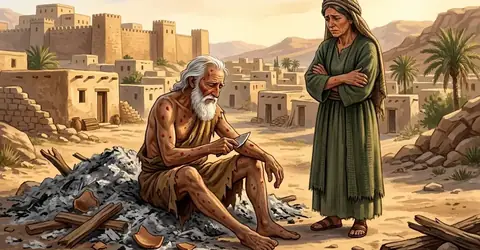 PersonJobA rich and godly man who lost his children, his wealth and his health in a single stroke, and would not curse God. His…
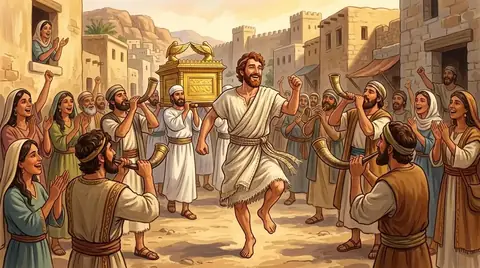 BookPsalmsThe Bible's book of songs and prayers: 150 psalms of praise, thanks, sorrow, confession and trust, about half of them…SayingProverbsShort, memorable sayings that sum up a truth about life. Besides the book of Proverbs, the Bible quotes many popular…BookEcclesiastesKing Solomon's reflections late in life on the meaning of it all. He finds that work, pleasure, wealth and wisdom…
 BookSong of SolomonA love song in poetry, written by Solomon, celebrating the love of a bride and her beloved. It honours married love as…CustomLamentationsSongs or poems of mourning, sung over the dead or over a disaster. The Bible keeps several, from David's lament for…
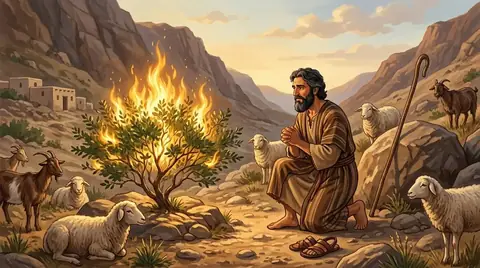 PersonMosesThe man God used to bring Israel out of Egypt, give them his Law at Sinai, and lead them for forty years in the…
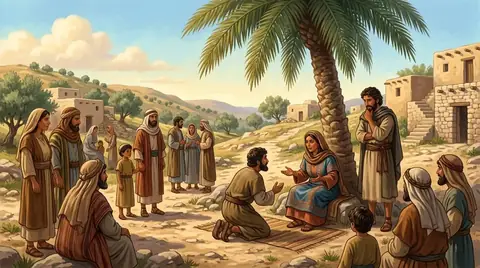 PersonDeborahA prophetess who judged Israel from under a palm tree in Ephraim. She summoned Barak to fight Sisera, went with him to…
Written for this app in its own words, from the Bible, with the facts checked against Bible dictionaries and encyclopedias: Easton's, Smith's, Fausset's, ISBE, Holman, the New Bible Dictionary, Vine's and the Thompson Chain topics.
