
Animal
Ox
The farm animal that did Israel's heavy work: ploughing, threshing and pulling carts. It was wealth, food and the chief sacrifice, and the law protected it from cruelty.
- Used for
- Ploughing (1 Kings 19:19), treading out grain (Deuteronomy 25:4), drawing wagons (Numbers 7:3)
- Law
- Not to be muzzled while threshing; its owner answered if it gored anyone (Exodus 21:28–36)
- Sacrifice
- The bullock, the costliest offering (Leviticus 1:3–5; Leviticus 4:3)
What it was
An ox is a bull or cow used for work. A man's wealth was counted in oxen along with sheep and donkeys: Abraham had them, and Job had five hundred yoke ploughing when disaster struck (Genesis 12:16; Job 1:3, 14). Elisha was ploughing with twelve pairs when Elijah threw his cloak over him, and he killed a pair and cooked them over the wooden yoke to say goodbye to his old life (1 Kings 19:19–21). Oxen trod the grain on the threshing floor, pulled the cart that carried the ark of the covenant, and pulled the wagons the princes gave for the tabernacle (Deuteronomy 25:4; 1 Samuel 6:7; Numbers 7:3). Twelve bronze oxen held up the great basin in Solomon's temple (1 Kings 7:25).
In the law
The ox had rights. It rested on the sabbath (Exodus 23:12). It was not to be muzzled as it trod out the grain, so it could eat as it worked (Deuteronomy 25:4), a rule Paul applied to those who preach (1 Corinthians 9:9; 1 Timothy 5:18). It was not to be yoked with a donkey, which would wear out the weaker animal (Deuteronomy 22:10). An ox that gored a person was stoned, and if it was known to be dangerous its owner was punished too (Exodus 21:28–32). Jesus pointed out that anyone would pull an ox out of a pit on the sabbath, so he could surely heal a woman on that day (Luke 13:15; Luke 14:5).
As a picture
Isaiah says the ox knows its owner and the donkey its master's crib, but Israel does not know God (Isaiah 1:3). Proverbs notes that a clean stable means no oxen, but oxen mean a harvest (Proverbs 14:4). One of the living creatures round God's throne has the face of an ox (Ezekiel 1:10; Revelation 4:7), and in the coming kingdom "the lion shall eat straw like the ox" (Isaiah 11:7). See also bullock and cattle.
Key verses
- Deuteronomy 25:4
Thou shalt not muzzle the ox when he treadeth out the corn.
- Exodus 21:28
If an ox gore a man or a woman, that they die: then the ox shall be surely stoned, and his flesh shall not be eaten; but the owner of the ox shall be quit.
- Isaiah 1:3
The ox knoweth his owner, and the ass his master’s crib: but Israel doth not know, my people doth not consider.
- Luke 14:5
And answered them, saying, Which of you shall have an ass or an ox fallen into a pit, and will not straightway pull him out on the sabbath day?
- 1 Corinthians 9:9
For it is written in the law of Moses, Thou shalt not muzzle the mouth of the ox that treadeth out the corn. Doth God take care for oxen?
Read next
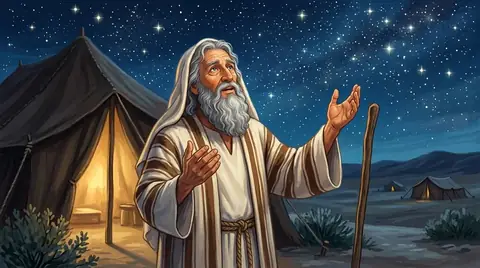 PersonAbrahamThe man God called out of Ur to a land he had never seen, promising him a people and a blessing for the whole world. He…
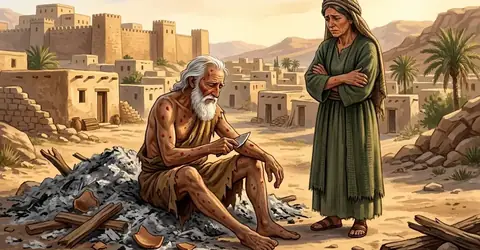 PersonJobA rich and godly man who lost his children, his wealth and his health in a single stroke, and would not curse God. His…
 PersonElishaElijah's successor, a farmer's son who asked for a double share of his master's spirit and received it. His long…
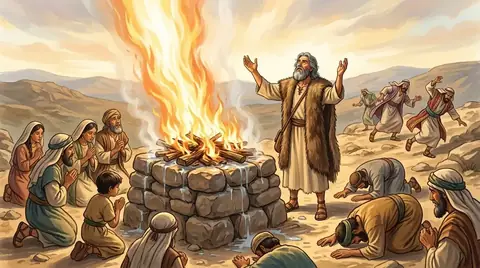 PersonElijahThe fiery prophet who stood alone against King Ahab and the prophets of Baal, called down fire on Mount Carmel, and was…
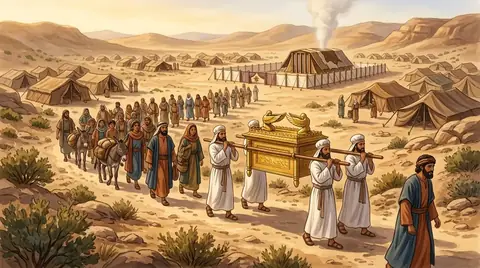 Thing · WorshipThe ark of the covenantThe gold-covered chest that held the Ten Commandments and stood in the Most Holy Place. God promised to meet with…
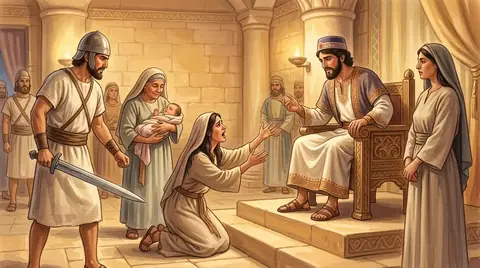 Person · KingSolomonDavid's son and Israel's third king, who asked God for wisdom and received riches and fame as well. He built the temple…
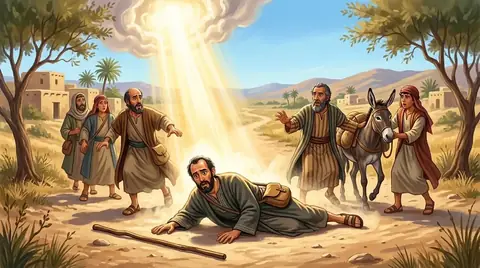 PersonPaulA Pharisee who hated the church until the risen Jesus met him on the road to Damascus. He became the apostle to the…AnimalBullockA young bull, the costliest animal Israel could offer. Bullocks were sacrificed for the whole nation and for the high…
Written for this app in its own words, from the Bible, with the facts checked against Bible dictionaries and encyclopedias: Easton's, Smith's, Fausset's, ISBE, Holman, the New Bible Dictionary, Vine's and the Thompson Chain topics.
