
Symbol
The olive tree
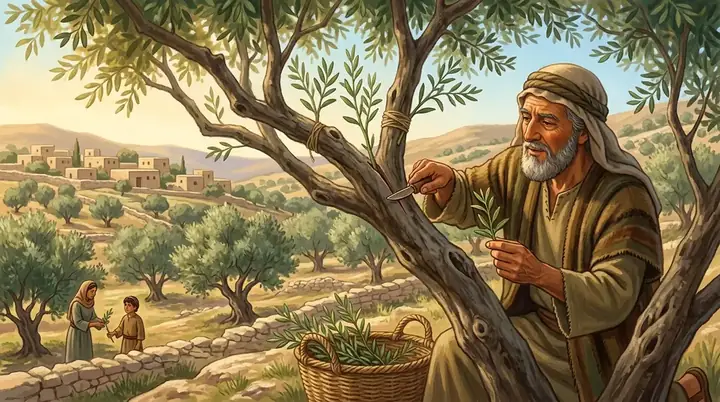
A picture of God's people, rooted, fruitful and green. Paul describes Israel as a cultivated olive into which Gentile believers have been grafted, and Zechariah and Revelation show two olive trees feeding God's lamp.
- Stands for
- God's people, flourishing and blessed (Psalms 52:8; Hosea 14:6)
- Two olive trees
- God's anointed witnesses, supplying oil to his lamp (Zechariah 4; Revelation 11:4)
- Grafting
- Gentiles joined to Israel's root (Romans 11:17–24)
The tree itself
The olive is the tree of the land of Israel. It grows slowly on poor, stony soil, lives for hundreds of years, and when the old trunk fails new shoots rise from the roots. Its grey-green leaves never fall. A people who knew it so well naturally used it as a picture. See olive for the fruit and its harvest and oil for what the oil was used for. Gethsemane, where Jesus prayed, means "oil press"; it was an olive grove on the Mount of Olives.
In the Old Testament
David, hunted by Saul, said he was "like a green olive tree in the house of God", trusting in God's mercy for ever (Psalms 52:8). Through Jeremiah God called Israel "a green olive tree, fair, and of goodly fruit", but warned that its branches would be broken for its sin (Jeremiah 11:16). Hosea promised that a restored Israel would spread its branches and have "beauty as the olive tree" (Hosea 14:6). Zechariah saw a golden lampstand with an olive tree on each side, pouring oil straight into it. The two trees were "the two anointed ones", Zerubbabel and Joshua the high priest, through whom God's Spirit kept the light burning (Zechariah 4:3, 11–14). Revelation borrows the picture for God's two witnesses (Revelation 11:4).
In the New Testament
Paul used the olive to explain how Gentiles came into God's people. Israel is the cultivated tree with its holy root in the patriarchs. Some natural branches were broken off for unbelief, and wild shoots, the Gentile believers, were grafted in and now draw sap from the same root. A grafted branch has no reason to boast over the others, Paul says; it is held up by the root, not the other way round. And God can graft the natural branches back in again when they turn to him (Romans 11:16–24). Growers normally graft a good shoot onto wild stock, so grafting a wild shoot into a good tree is "contrary to nature", as Paul admits. That is the point: it is grace.
Key verses
- Psalms 52:8
But I am like a green olive tree in the house of God: I trust in the mercy of God for ever and ever.
- Jeremiah 11:16
The Lord called thy name, A green olive tree, fair, and of goodly fruit: with the noise of a great tumult he hath kindled fire upon it, and the branches of it are broken.
- Zechariah 4:11–14
Then answered I, and said unto him, What are these two olive trees upon the right side of the candlestick and upon the left side thereof? And I answered again, and said unto him, What be these two olive branches which through the two golden pipes empty the golden oil out of themselves? And he answered me and said, Knowest thou not what these be? And I said, No, my lord. …
- Romans 11:17–24
And if some of the branches be broken off, and thou, being a wild olive tree, wert graffed in among them, and with them partakest of the root and fatness of the olive tree; Boast not against the branches. But if thou boast, thou bearest not the root, but the root thee. Thou wilt say then, The branches were broken off, that I might be graffed in. …
- Revelation 11:4
These are the two olive trees, and the two candlesticks standing before the God of the earth.
Read next
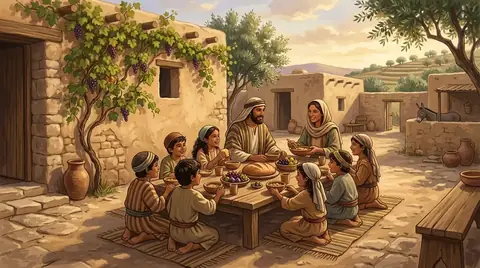 PlantOliveThe fruit of the olive tree, picked by beating the branches and crushed for its oil, which gave Israel its light, its…Thing · SymbolOilIn the Bible oil nearly always means olive oil, used for food, lamps, medicine, hospitality and for anointing kings and…
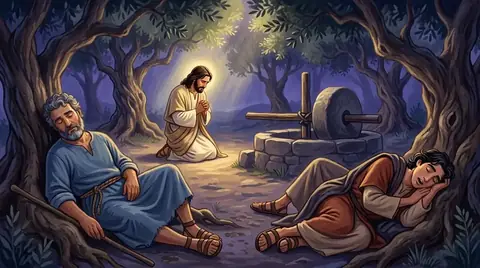 PlaceGethsemaneAn olive garden on the Mount of Olives, across the Kidron valley from Jerusalem. Jesus often went there to pray, and…
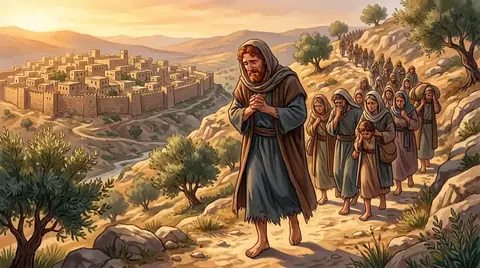 Place · MountainMount of OlivesThe hill east of Jerusalem where Jesus often prayed, wept over the city, taught about the end, was arrested in…
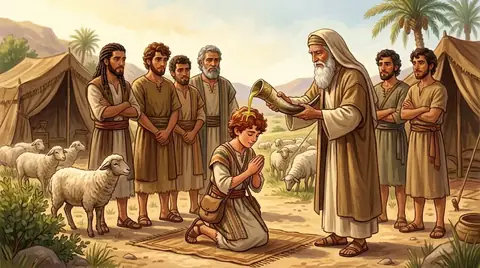 Person · KingDavidThe shepherd boy who killed Goliath and became Israel's greatest king, "a man after God's own heart". He wrote many…
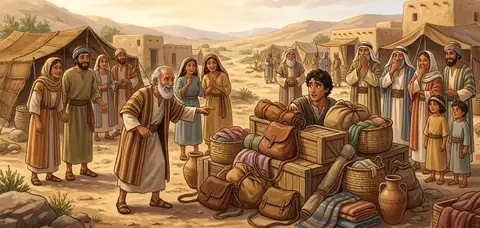 Person · KingSaulIsrael's first king, a tall Benjamite chosen when the people demanded a king like the nations. He began humbly and won…
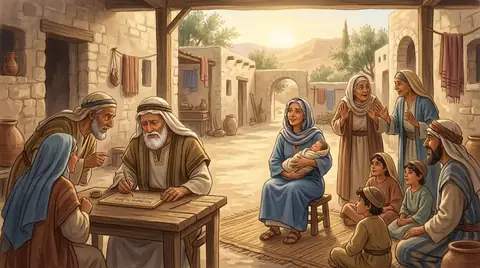 PersonZechariahThe prophet who, with Haggai, urged the returned exiles to rebuild the temple, and whose book foretells the humble King…
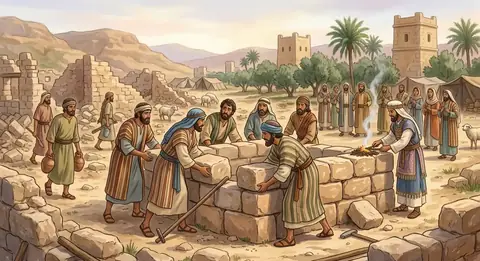 PersonZerubbabelThe prince of David's line who led the first exiles home from Babylon and rebuilt the temple in Jerusalem, finishing it…
Written for this app in its own words, from the Bible, with the facts checked against Bible dictionaries and encyclopedias: Easton's, Smith's, Fausset's, ISBE, Holman, the New Bible Dictionary, Vine's and the Thompson Chain topics.
