
Word · Aramaic
Mammon
MAM-onAramaic for riches, wealth, money · Matt 6:24; Luke 16:9-13
An Aramaic word for money and possessions, which Jesus used as if wealth were a rival god. "Ye cannot serve God and mammon."
- Meaning
- Riches, wealth, property
- Where
- Matthew 6:24; Luke 16:9; Luke 16:11; Luke 16:13
What the word means
Mammon was the everyday word for money and goods in the Aramaic that Jesus spoke, and the Gospel writers kept it rather than translating it. Jesus personified it. In his sayings mammon is not just coins but a master that demands service, a god that competes with the true one.
What Jesus said
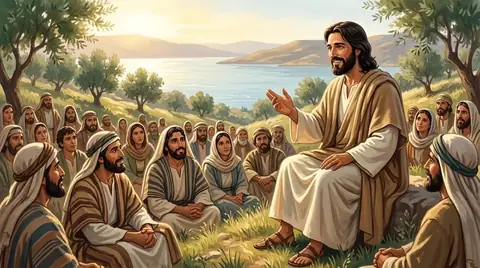
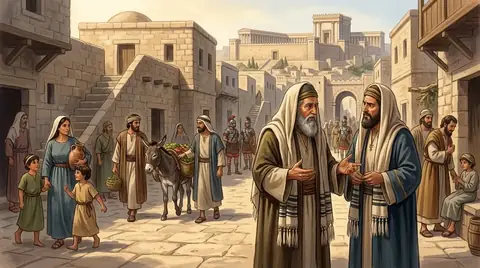
In the Sermon on the Mount Jesus said that no one can serve two masters, for he will hate the one and love the other: "Ye cannot serve God and mammon" (Matthew 6:24). It is not that money is evil but that it wants to be first, and only God may be first. He said it again after the story of the unjust steward (Luke 16:13), and there he added two more things. Use "the mammon of unrighteousness", worldly wealth, to make friends who will welcome you into eternal dwellings, that is, give it away for God's purposes (Luke 16:9). And if you cannot be trusted with mammon, which is small and not really yours, who will trust you with the true riches (Luke 16:11)? The Pharisees, who loved money, sneered at this (Luke 16:14).
Key verses
- Matthew 6:24
No man can serve two masters: for either he will hate the one, and love the other; or else he will hold to the one, and despise the other. Ye cannot serve God and mammon.
- Luke 16:9–13
And I say unto you, Make to yourselves friends of the mammon of unrighteousness; that, when ye fail, they may receive you into everlasting habitations. He that is faithful in that which is least is faithful also in much: and he that is unjust in the least is unjust also in much. If therefore ye have not been faithful in the unrighteous mammon, who will commit to your trust the true riches? …
Read next
Written for this app in its own words, from the Bible, with the facts checked against Bible dictionaries and encyclopedias: Easton's, Smith's, Fausset's, ISBE, Holman, the New Bible Dictionary, Vine's and the Thompson Chain topics.
