
Word · Greek
Love: phileō, warm affection
fil-EH-ohGreek phileō · the love of friends and family · Philadelphia means "brotherly love"
A Greek word for love meaning warm, natural fondness: the affection of friends and family. It is the word Peter used when Jesus asked him three times, "Lovest thou me?"
- Greek
- Phileō, to be fond of; philos, a friend; philadelphia, brotherly love
- Where
- John 11:3; John 16:27; John 21:15–17; Titus 3:15; Revelation 3:19
What the word means
Phileō is the love of liking: the pull of the heart toward a friend, a brother, a child, a home. A philos is a friend, and the city of Philadelphia in Revelation is "brotherly love". The New Testament more often uses agapaō, the steady, giving love that is God's own (see Love: agapaō, love that gives itself), but phileō has its place too, and sometimes the two are used for the same thing.
In the Bible
When Lazarus fell ill, his sisters sent Jesus the message, "Lord, behold, he whom thou lovest is sick" (John 11:3), with this word: Lazarus was Jesus' dear friend. Jesus told the disciples, "The Father himself loveth you, because ye have loved me" (John 16:27), again with phileō; God's love for his children has warmth in it, not only will. Paul ends Titus, "Greet them that love us in the faith" (Titus 3:15). But the same word can turn bad: the Pharisees loved the chief seats and greetings in the markets (Matthew 23:6), and a man who loves father or mother more than Jesus is not worthy of him (Matthew 10:37).
Peter by the lake
Jesus asked Peter twice, "Lovest thou me?" with agapaō, and Peter answered both times with phileō: "thou knowest that I love thee". The third time Jesus used Peter's own word, and Peter was hurt (John 21:15–17). Whether Jesus was testing the depth of Peter's love, or stooping to the word Peter could honestly say, each answer ended the same way: "Feed my sheep".
Key verses
- John 11:3
Therefore his sisters sent unto him, saying, Lord, behold, he whom thou lovest is sick.
- John 16:27
For the Father himself loveth you, because ye have loved me, and have believed that I came out from God.
- John 21:15–17
So when they had dined, Jesus saith to Simon Peter, Simon, son of Jonas, lovest thou me more than these? He saith unto him, Yea, Lord; thou knowest that I love thee. He saith unto him, Feed my lambs. He saith to him again the second time, Simon, son of Jonas, lovest thou me? He saith unto him, Yea, Lord; thou knowest that I love thee. He saith unto him, Feed my sheep. He saith unto him the third time, Simon, son of Jonas, lovest thou me? Peter was grieved because he said unto him the third time, Lovest thou me? And he said unto him, Lord, thou knowest all things; thou knowest that I love thee. Jesus saith unto him, Feed my sheep.
- Titus 3:15
All that are with me salute thee. Greet them that love us in the faith. Grace be with you all. Amen. It was written to Titus, ordained the first bishop of the church of the Cretians, from Nicopolis of Macedonia.
Read next
 PlacePhiladelphiaA city of western Asia Minor and home of one of the seven churches of Revelation. Christ had only praise for it: with…Word · GreekLove: agapaō, love that gives itselfThe New Testament's chief word for love: a love that decides to seek another's good and pays whatever it costs, as God…
 PersonLazarusThe brother of Mary and Martha whom Jesus called out of the tomb after four days. A poor beggar of the same name…
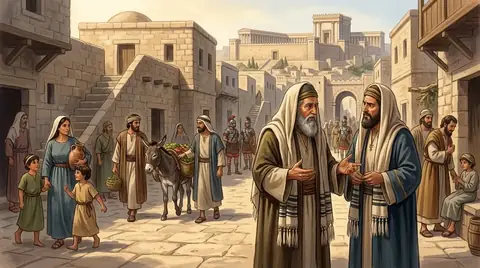 GroupPhariseesThe most exacting of the Jewish religious parties in Jesus' day, devoted to keeping the Law and the traditions added to…
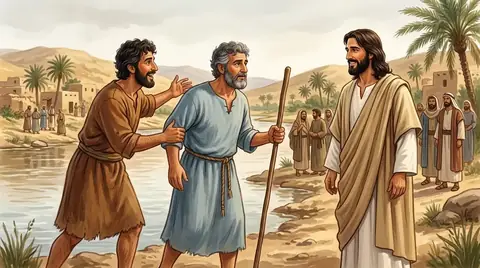 PersonPeterA Galilean fisherman who became the leader of the twelve apostles. Bold and impulsive, he confessed Jesus as the…
Written for this app in its own words, from the Bible, with the facts checked against Bible dictionaries and encyclopedias: Easton's, Smith's, Fausset's, ISBE, Holman, the New Bible Dictionary, Vine's and the Thompson Chain topics.
