
Saying
The ends of the earth
A Bible phrase for the whole world, as far as anyone could go. It is used most for the reach of God's rule and salvation: his good news is for everyone, everywhere.
- Where
- Psalms 2:8; Psalms 22:27; Isaiah 45:22; Isaiah 52:10; Micah 5:4; Acts 1:8; Acts 13:47
- Meaning
- Everywhere; the farthest peoples and places, not Israel only
To a people who lived in a small land between the desert and the sea, "the ends of the earth" meant the edge of the map and beyond: the far coasts and islands, the nations nobody had visited. The Bible uses the phrase again and again to say that God's plan was never for one nation alone. God tells his anointed king, "I shall give thee... the uttermost parts of the earth for thy possession" (Psalms 2:8). The psalm that begins with the cry from the cross ends with "all the ends of the world" turning to the LORD (Psalms 22:27). Through Isaiah God calls, "Look unto me, and be ye saved, all the ends of the earth" (Isaiah 45:22), and promises that every nation will see his salvation (Isaiah 52:10). Micah says the ruler born in Bethlehem will be great "unto the ends of the earth" (Micah 5:4).
The risen Jesus took up the phrase when he sent his disciples out from Jerusalem to Judea, Samaria and the uttermost part of the earth (Acts 1:8), and the book of Acts is the story of that journey beginning. When the Jews of Antioch rejected him, Paul quoted Isaiah's words about being a light to the Gentiles and salvation "unto the ends of the earth" as his own orders (Acts 13:47; Isaiah 49:6).
Key verses
- Psalms 2:8
Ask of me, and I shall give thee the heathen for thine inheritance, and the uttermost parts of the earth for thy possession.
- Psalms 22:27
All the ends of the world shall remember and turn unto the Lord: and all the kindreds of the nations shall worship before thee.
- Isaiah 45:22
Look unto me, and be ye saved, all the ends of the earth: for I am God, and there is none else.
- Micah 5:4
And he shall stand and feed in the strength of the Lord, in the majesty of the name of the Lord his God; and they shall abide: for now shall he be great unto the ends of the earth.
- Acts 1:8
But ye shall receive power, after that the Holy Ghost is come upon you: and ye shall be witnesses unto me both in Jerusalem, and in all Judea, and in Samaria, and unto the uttermost part of the earth.
- Acts 13:47
For so hath the Lord commanded us, saying, I have set thee to be a light of the Gentiles, that thou shouldest be for salvation unto the ends of the earth.
Read next
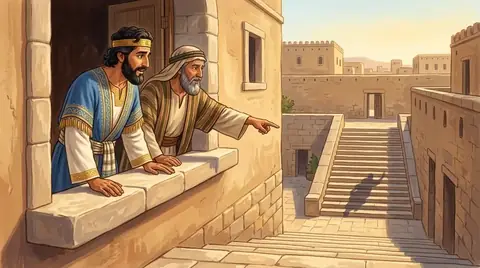 Person · ProphetIsaiahThe prophet of Jerusalem who served four kings, saw the LORD on his throne, and foretold the virgin's son, the…PersonMicahA prophet of Judah in the days of Isaiah, from the country town of Moresheth, who denounced injustice and foretold that…
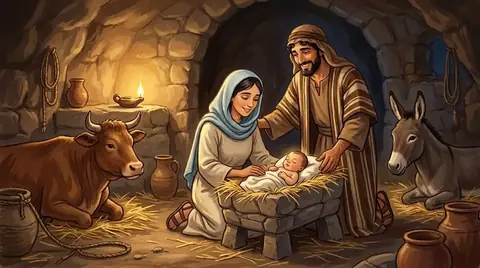 PlaceBethlehemA small town in the hills of Judah, five miles south of Jerusalem. It was the home of Ruth and Boaz, the birthplace of…
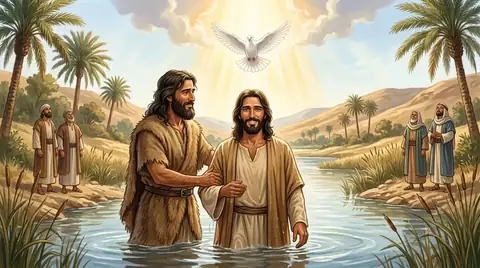 Person · The Son of GodJesus ChristThe Son of God, born of the virgin Mary, who lived a sinless life, died on a cross for the sins of the world and rose…
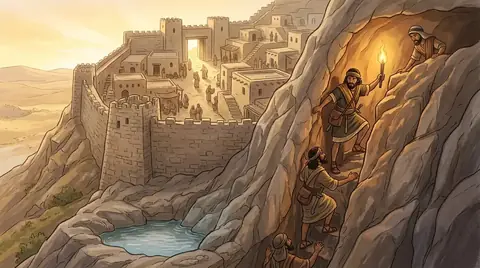 PlaceJerusalemThe city David made his capital and where Solomon built the temple. Jesus died and rose there and the church began…
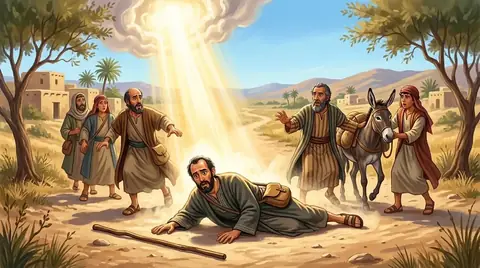 PersonPaulA Pharisee who hated the church until the risen Jesus met him on the road to Damascus. He became the apostle to the…
Written for this app in its own words, from the Bible, with the facts checked against Bible dictionaries and encyclopedias: Easton's, Smith's, Fausset's, ISBE, Holman, the New Bible Dictionary, Vine's and the Thompson Chain topics.
