
Animal
Cow
Cattle gave Israel milk, meat, leather, dung for fuel and the strength to pull plough and cart. The King James Bible usually says "kine" for cows and "heifer" for a young one.
- Also called
- Kine (plural, Genesis 41:2), heifer (a young cow, Numbers 19:2), bullock and ox (the male)
- Where
- Genesis 41:2–4; Leviticus 22:28; 1 Samuel 6:7–12; Isaiah 7:21; Amos 4:1
In the Bible
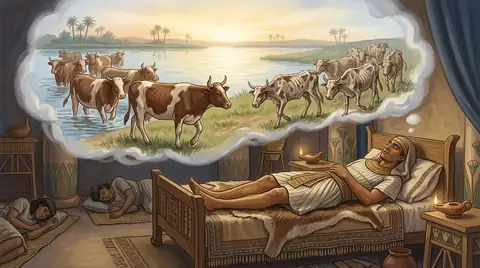
Cows were part of the wealth of every farmer and of the patriarchs' herds (Genesis 32:15). Pharaoh dreamed of seven fat cows eaten by seven thin ones, and Joseph read it as seven years of plenty and seven of famine (Genesis 41:2–4). When the Philistines sent the ark of the covenant home, they hitched two milk cows to a new cart, cows whose calves had been shut up at home; the animals lowed for their calves but walked straight to Beth-shemesh, which showed the Philistines that God was behind it (1 Samuel 6:7–12). The law would not let a cow and her calf be slaughtered on one day (Leviticus 22:28), one of several rules that taught Israel kindness to animals. Isaiah pictures a ruined land where a man keeps one young cow and two sheep and lives on their milk (Isaiah 7:21–22), and Amos calls the pampered women of Samaria "kine of Bashan", fat cattle from the best pasture (Amos 4:1). A red heifer that had never been yoked was burnt to make the water of cleansing (Numbers 19), and a heifer with its neck broken cleared a town of an unsolved murder (Deuteronomy 21:1–9).
Key verses
- Genesis 41:2
And, behold, there came up out of the river seven well favoured kine and fatfleshed; and they fed in a meadow.
- Leviticus 22:28
And whether it be cow or ewe, ye shall not kill it and her young both in one day.
- 1 Samuel 6:7–12
Now therefore make a new cart, and take two milch kine, on which there hath come no yoke, and tie the kine to the cart, and bring their calves home from them: And take the ark of the Lord, and lay it upon the cart; and put the jewels of gold, which ye return him for a trespass offering, in a coffer by the side thereof; and send it away, that it may go. And see, if it goeth up by the way of his own coast to Beth–shemesh, then he hath done us this great evil: but if not, then we shall know that it is not his hand that smote us; it was a chance that happened to us. …
- Isaiah 7:21
And it shall come to pass in that day, that a man shall nourish a young cow, and two sheep;
Read next
 Title · RulerPharaohNot a personal name but the title borne by every king of Egypt, like "Caesar". The Bible names several, the best known…
 PersonJosephJacob's favourite son, sold by his brothers into Egypt, where he rose from prison to rule the land and saved his family…
 Event · NatureFamineA time of no food, from drought, locusts, war or siege. In the Bible famine often comes as God's judgment, and it…NationThe PhilistinesA warlike people from over the sea, settled in five cities on the coastal plain to the south-west of Israel. With iron…
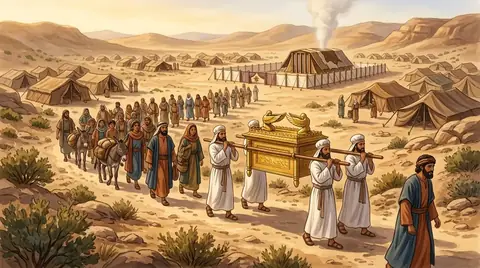 Thing · WorshipThe ark of the covenantThe gold-covered chest that held the Ten Commandments and stood in the Most Holy Place. God promised to meet with…
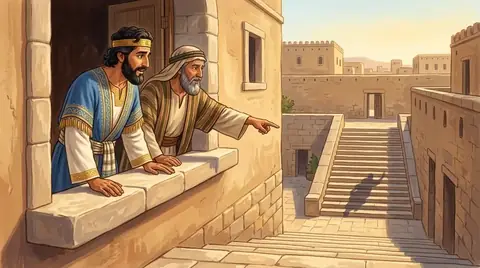 Person · ProphetIsaiahThe prophet of Jerusalem who served four kings, saw the LORD on his throne, and foretold the virgin's son, the…
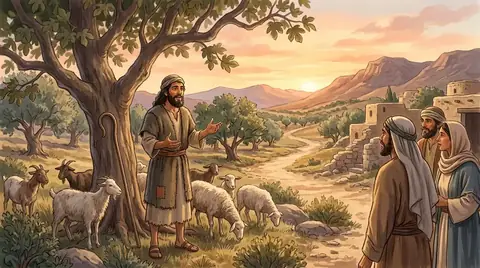 PersonAmosA shepherd and fig-grower from Tekoa in Judah whom God sent to warn the rich northern kingdom of Israel. He called for…
Written for this app in its own words, from the Bible, with the facts checked against Bible dictionaries and encyclopedias: Easton's, Smith's, Fausset's, ISBE, Holman, the New Bible Dictionary, Vine's and the Thompson Chain topics.
