
Custom
Covenant-making
How a solemn agreement was sealed in Bible times: by cutting animals in two and passing between the pieces, by an oath, a meal, a gift or a heap of stones set up as a witness.
- Ways
- Passing between the halves of a sacrifice (Genesis 15; Jeremiah 34:18), an oath (Genesis 21:31), a feast (Genesis 26:30), gifts (1 Samuel 18:4), a pillar or cairn (Genesis 31:45–52), sprinkled blood (Exodus 24:8), salt (Numbers 18:19)
- Hebrew
- To make a covenant is "to cut" one
How it was done
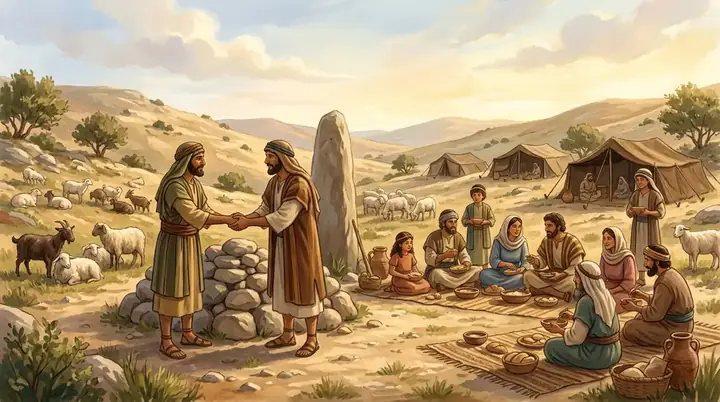
The Hebrew phrase for making a covenant is "cutting" one, and the cutting was real. Animals were killed and divided, and the two parties walked between the halves, as if to say: may I be like these if I break my word. Jeremiah describes it plainly when he condemns the nobles of Jerusalem who freed their slaves and then took them back: they "cut the calf in twain, and passed between the parts thereof" and broke the oath all the same (Jeremiah 34:18–19). Other ways went with it or stood on their own. The parties swore an oath, which is why Beersheba, "the well of the oath", got its name when Abraham and Abimelech made peace there (Genesis 21:31). They ate together: Isaac gave Abimelech's men a feast, and they left in the morning as friends (Genesis 26:30–31). They exchanged gifts: Jonathan gave David his robe, sword and bow (1 Samuel 18:4). They set up a witness: Jacob and Laban piled stones into a heap and raised a pillar, and each promised not to pass it to harm the other (Genesis 31:44–53). A covenant could be "of salt", sharing salt at the meal to mark it as lasting (Numbers 18:19; 2 Chronicles 13:5).
God's covenants
God used the same customs so that people would understand. In Genesis 15 Abraham cut the animals and laid the halves opposite each other, and then, after dark, a smoking furnace and a burning lamp passed between the pieces. God alone walked through; Abraham was asleep. The promise rested on God's word, not on Abraham's performance. At Mount Sinai Moses read the book of the covenant, the people promised to obey, and he threw the blood of the sacrifices on the altar and on the people (Exodus 24:3–8), and then the elders went up the mountain and ate and drank before God (Exodus 24:11).
Points to Christ
At the Last Supper Jesus took the cup and called it the new covenant in his blood (Luke 22:20): a sacrifice cut, blood poured out, a meal shared. The Lord's Supper is a covenant meal, and the one who kept the covenant for us is the one whose body was broken.
Key verses
- Genesis 15:9–18
And he said unto him, Take me an heifer of three years old, and a she goat of three years old, and a ram of three years old, and a turtledove, and a young pigeon. And he took unto him all these, and divided them in the midst, and laid each piece one against another: but the birds divided he not. And when the fowls came down upon the carcases, Abram drove them away. …
- Genesis 31:44–48
Now therefore come thou, let us make a covenant, I and thou; and let it be for a witness between me and thee. And Jacob took a stone, and set it up for a pillar. And Jacob said unto his brethren, Gather stones; and they took stones, and made an heap: and they did eat there upon the heap. …
- Exodus 24:8
And Moses took the blood, and sprinkled it on the people, and said, Behold the blood of the covenant, which the Lord hath made with you concerning all these words.
- Jeremiah 34:18
And I will give the men that have transgressed my covenant, which have not performed the words of the covenant which they had made before me, when they cut the calf in twain, and passed between the parts thereof,
- Luke 22:20
Likewise also the cup after supper, saying, This cup is the new testament in my blood, which is shed for you.
Read next
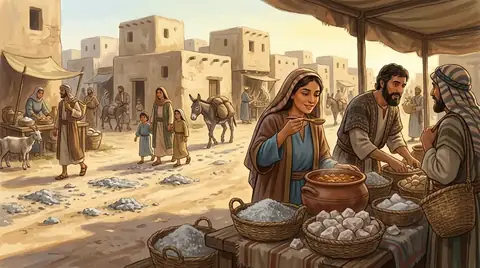 Thing · SymbolSaltUsed to flavour and preserve food, to season every offering, and to seal lasting agreements. Jesus told his disciples…
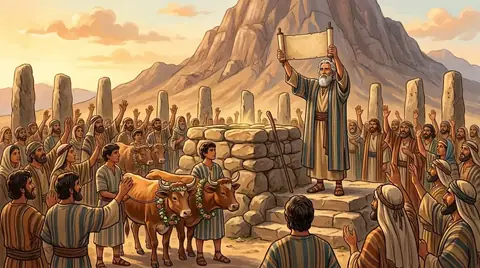 TeachingCovenantA solemn, binding agreement. God made covenants with Noah, Abraham, Israel and David, each with a promise and a sign…
 PersonJeremiahThe prophet who warned Judah for forty years that Babylon was coming, and wept as it came. He was beaten, put in the…
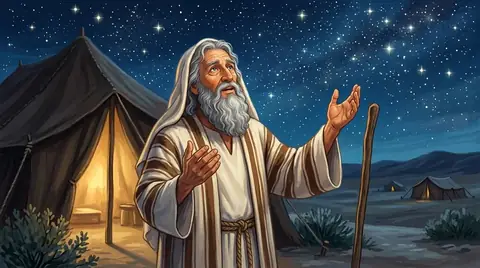 PersonAbrahamThe man God called out of Ur to a land he had never seen, promising him a people and a blessing for the whole world. He…
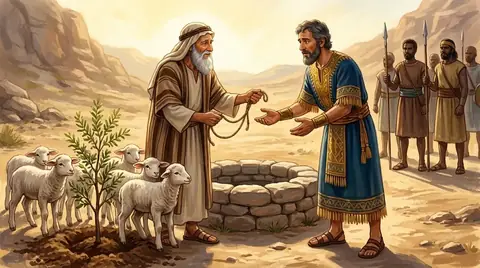 PersonAbimelechThe name of the kings of Gerar who dealt with Abraham and Isaac over their wives, and of Gideon's ruthless son who…
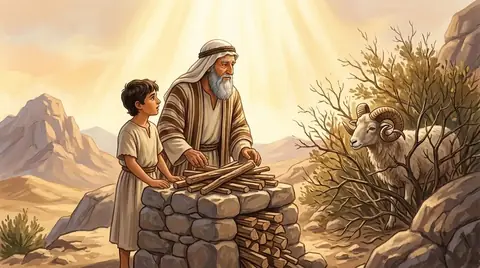 PersonIsaacThe son God promised to Abraham and Sarah when they were far too old for children, offered on Mount Moriah and spared.…
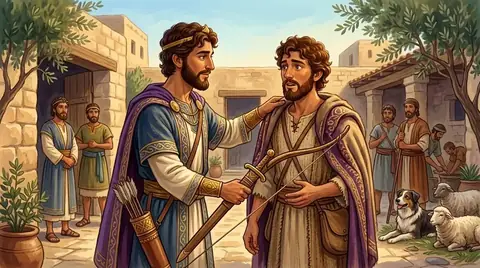 PersonJonathanSaul's eldest son and David's closest friend. A brave soldier who climbed a cliff to rout the Philistines, he gave up…
 Person · KingDavidThe shepherd boy who killed Goliath and became Israel's greatest king, "a man after God's own heart". He wrote many…
Written for this app in its own words, from the Bible, with the facts checked against Bible dictionaries and encyclopedias: Easton's, Smith's, Fausset's, ISBE, Holman, the New Bible Dictionary, Vine's and the Thompson Chain topics.
