
Teaching
Confession
Saying openly what is true: owning up to sin before God and those we have wronged, and declaring before others that Jesus is Lord. The Bible uses the word for both.
- Of sin
- Leviticus 16:21; Psalms 32:5; Proverbs 28:13; 1 John 1:9
- Of Christ
- Matthew 10:32; Romans 10:9–10; Philippians 2:11
Confessing sin
To confess sin is to agree with God about it: to stop hiding it, excusing it or calling it something milder, and to say what it was. On the Day of Atonement the high priest laid his hands on the scapegoat and confessed over it all the sins of Israel (Leviticus 16:21). David wrote that while he kept silent his strength dried up, but when he said "I will confess my transgressions unto the LORD", God forgave him (Psalms 32:3–5). Proverbs puts the rule simply: whoever hides his sins will not do well, but whoever confesses and leaves them finds mercy (Proverbs 28:13). Ezra, Nehemiah and Daniel each prayed long prayers of confession for their whole people, counting themselves in among the guilty (Ezra 9; Nehemiah 9; Daniel 9).
The New Testament keeps the same shape. Crowds confessed their sins as John baptised them in the Jordan (Matthew 3:6). John writes that if we confess our sins, God is faithful and just to forgive us (1 John 1:9). Confession is also owed to people: Jesus told his followers to go and put things right with a brother (Matthew 5:23–24), and James says to confess our faults to one another and pray for each other (James 5:16).
Confessing Christ
The other confession is a glad one. Jesus said that whoever confesses him before men, he will confess before his Father in heaven, and whoever denies him he will deny (Matthew 10:32–33). Paul says that if you confess with your mouth that Jesus is Lord and believe in your heart that God raised him, you will be saved (Romans 10:9–10). The early Christians were called on to say this out loud when it could cost them their lives, and one day every tongue will confess that Jesus Christ is Lord (Philippians 2:11).
For us
Both confessions belong together. The person who has owned up to sin and been forgiven is the person with something worth saying about Jesus.
Key verses
- Psalms 32:5
I acknowledged my sin unto thee, and mine iniquity have I not hid. I said, I will confess my transgressions unto the Lord; and thou forgavest the iniquity of my sin. Selah.
- Proverbs 28:13
He that covereth his sins shall not prosper: but whoso confesseth and forsaketh them shall have mercy.
- Matthew 10:32
Whosoever therefore shall confess me before men, him will I confess also before my Father which is in heaven.
- Romans 10:9–10
That if thou shalt confess with thy mouth the Lord Jesus, and shalt believe in thine heart that God hath raised him from the dead, thou shalt be saved. For with the heart man believeth unto righteousness; and with the mouth confession is made unto salvation.
- 1 John 1:9
If we confess our sins, he is faithful and just to forgive us our sins, and to cleanse us from all unrighteousness.
Read next
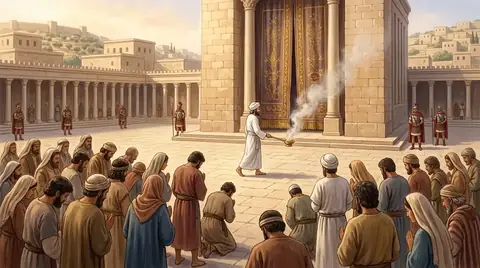 Feast · FastThe Day of AtonementThe one day in the year when the high priest went behind the veil with blood to atone for all Israel's sins, while a…
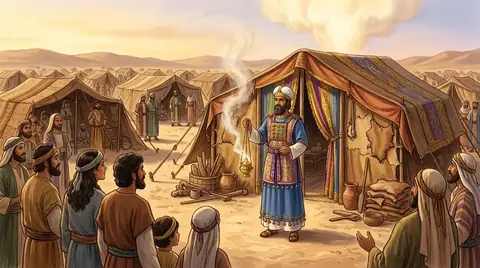 Custom · WorshipThe high priestThe head of Israel's priests, descended from Aaron, who alone went into the Most Holy Place once a year to make…
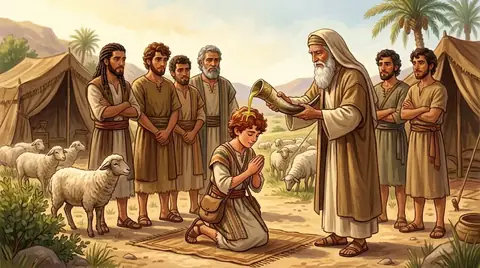 Person · KingDavidThe shepherd boy who killed Goliath and became Israel's greatest king, "a man after God's own heart". He wrote many…
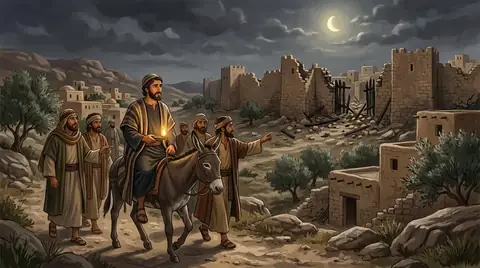 PersonNehemiahThe king of Persia's cupbearer who got leave to go to Jerusalem and rebuilt its broken walls in fifty-two days, despite…
 Person · ProphetDanielA young noble of Judah carried off to Babylon, who served four kings with wisdom and never bent his faith. God gave him…
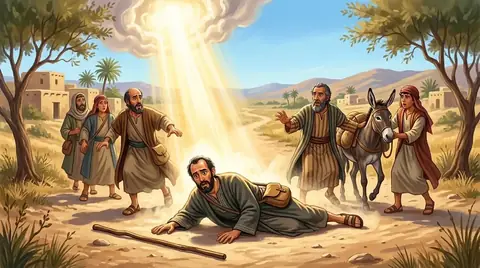 PersonPaulA Pharisee who hated the church until the risen Jesus met him on the road to Damascus. He became the apostle to the…
Written for this app in its own words, from the Bible, with the facts checked against Bible dictionaries and encyclopedias: Easton's, Smith's, Fausset's, ISBE, Holman, the New Bible Dictionary, Vine's and the Thompson Chain topics.
