
Thing
Cart
Also wagon
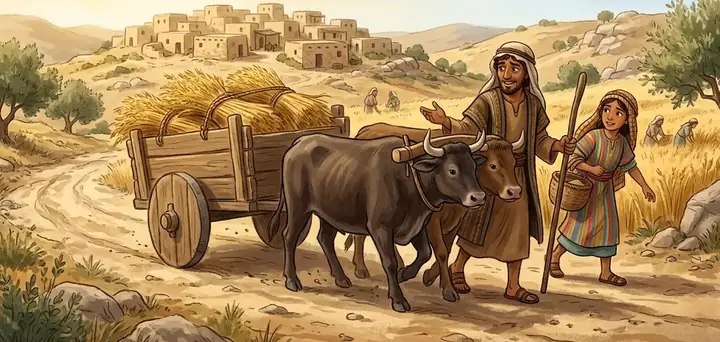
A two-wheeled vehicle pulled by oxen, used for carrying harvest and heavy goods. The Philistines sent the ark home on a new cart, and David wrongly moved it on one too.
- Pulled by
- Oxen or cows (1 Samuel 6:7; 2 Samuel 6:3)
- Hebrew
- agalah, also translated "wagon"
What it was
A cart in Bible lands was a simple wooden frame on two solid wheels, drawn by oxen. It carried the harvest in from the fields (Amos 2:13) and the heavy threshing sledge (Isaiah 28:27–28). Pharaoh sent wagons to bring Jacob and his household down to Egypt (Genesis 45:19–21), and the tribal leaders gave six covered wagons to carry the parts of the tabernacle (Numbers 7:3–8).
The ark on a cart
The Philistines, wanting to be rid of the ark of the covenant, put it on a new cart drawn by two cows that had never been yoked. Though their calves were shut up at home, the cows walked straight to Beth-shemesh without turning aside, proving that God himself was sending the ark back (1 Samuel 6:7–14). Years later David copied the idea and carried the ark on a new cart, though God had said it was to be carried on the shoulders of the Levites. When the oxen stumbled, Uzzah took hold of the ark and died (2 Samuel 6:3–7). David learned that God's work must be done God's way.
A picture
Isaiah describes people dragging sin along behind them "with a cart rope", bound to it by their own habits (Isaiah 5:18).
Key verses
- Genesis 45:19
Now thou art commanded, this do ye; take you wagons out of the land of Egypt for your little ones, and for your wives, and bring your father, and come.
- 1 Samuel 6:7
Now therefore make a new cart, and take two milch kine, on which there hath come no yoke, and tie the kine to the cart, and bring their calves home from them:
- 2 Samuel 6:3
And they set the ark of God upon a new cart, and brought it out of the house of Abinadab that was in Gibeah: and Uzzah and Ahio, the sons of Abinadab, drave the new cart.
- Isaiah 5:18
Woe unto them that draw iniquity with cords of vanity, and sin as it were with a cart rope:
Read next
 Title · RulerPharaohNot a personal name but the title borne by every king of Egypt, like "Caesar". The Bible names several, the best known…
 PersonJacobIsaac's younger twin son, who won his brother's birthright and blessing by cunning, was changed by God, and was renamed…
 Thing · WorshipThe tabernacleThe holy tent Israel built in the wilderness, by God's own pattern, so that he could dwell in the middle of his people.…NationThe PhilistinesA warlike people from over the sea, settled in five cities on the coastal plain to the south-west of Israel. With iron…
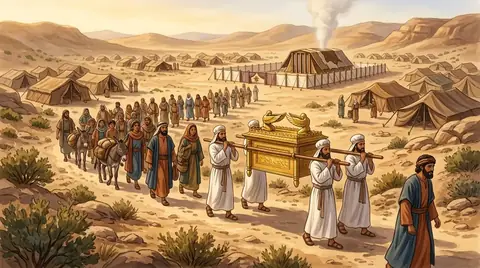 Thing · WorshipThe ark of the covenantThe gold-covered chest that held the Ten Commandments and stood in the Most Holy Place. God promised to meet with…
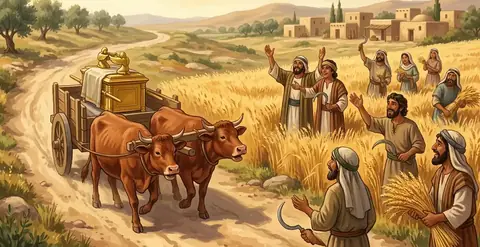 PlaceBeth-shemeshA town of Judah in the western foothills, given to the priests. The ark came home there on a cart pulled by two cows…
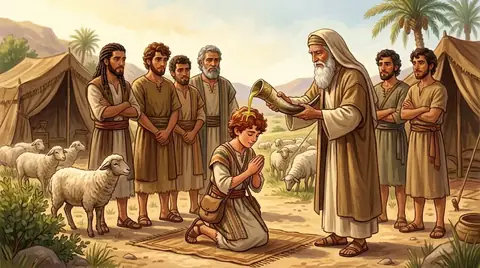 Person · KingDavidThe shepherd boy who killed Goliath and became Israel's greatest king, "a man after God's own heart". He wrote many…
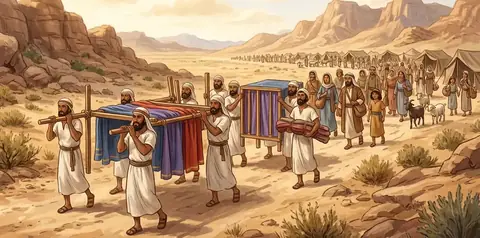 Group · WorshipThe LevitesThe men of the tribe of Levi, chosen to serve God instead of Israel's firstborn sons. They carried the tabernacle…
Written for this app in its own words, from the Bible, with the facts checked against Bible dictionaries and encyclopedias: Easton's, Smith's, Fausset's, ISBE, Holman, the New Bible Dictionary, Vine's and the Thompson Chain topics.
