
Place
Beth-shemesh
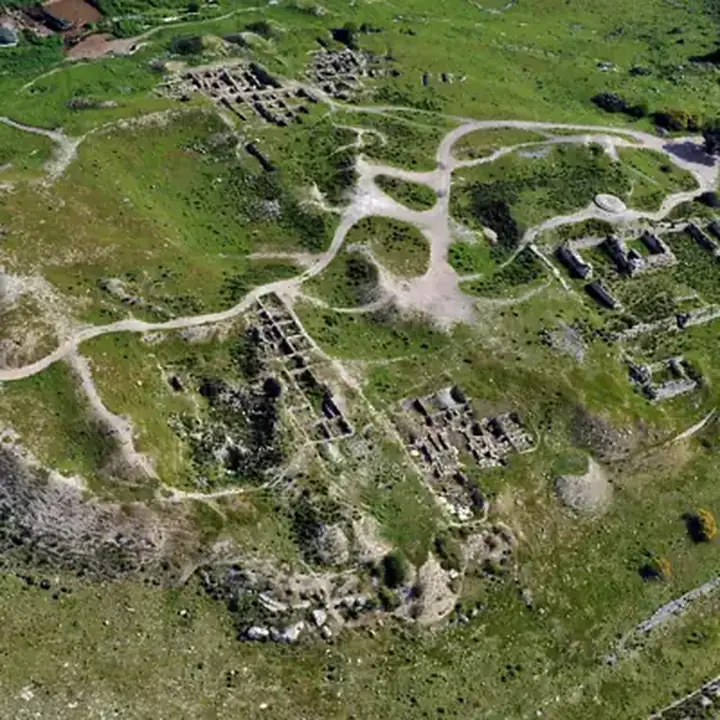
"House of the sun" · today Tel Bet Shemesh, Israel
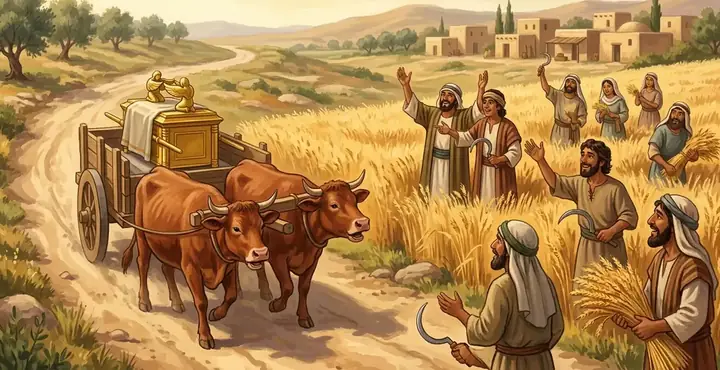
A town of Judah in the western foothills, given to the priests. The ark came home there on a cart pulled by two cows after the Philistines sent it back.
- Where
- In the Shephelah, the low hills between Judah and Philistia, about 14 miles (22 km) west of Jerusalem
- Known for
- The ark of the covenant coming home (1 Samuel 6)
- Also
- Two smaller towns of the same name, in Naphtali and Issachar
Where
Beth-shemesh stood on the northern border of Judah's land (Joshua 15:10), in the low hills that look west towards the Philistine plain. It was one of the towns set aside for the priests, the sons of Aaron (Joshua 21:16). Its name means "house of the sun", which suggests the sun was once worshipped there before Israel came.
The ark comes home
After the Philistines captured the ark and suffered for it, they put it on a new cart drawn by two cows that had never been yoked, and let them go. The cows walked straight up the road to Beth-shemesh, lowing as they went, and never turned aside (1 Samuel 6:12). The people were cutting wheat in the valley. They were overjoyed, chopped up the cart for firewood and offered the cows to the LORD. But some of the men looked into the ark, and God struck them down for treating the holy thing lightly. The frightened town sent the ark on to Kirjath-jearim (1 Samuel 6:19–21).
Later
Solomon listed the town in one of his supply districts (1 Kings 4:9). Here King Amaziah of Judah foolishly challenged King Jehoash of Israel to battle, lost, and was taken prisoner (2 Kings 14:11–13). In the days of Ahaz the Philistines took the town (2 Chronicles 28:18).
Others with this name
A fortified town in Naphtali, whose Canaanite people were never driven out (Joshua 19:38; Judges 1:33), and a border town of Issachar (Joshua 19:22). Jeremiah also uses the name for the sun-city of Egypt, On or Heliopolis (Jeremiah 43:13).
Key verses
- Joshua 21:16
And Ain with her suburbs, and Juttah with her suburbs, and Beth–shemesh with her suburbs; nine cities out of those two tribes.
- 1 Samuel 6:12–15
And the kine took the straight way to the way of Beth–shemesh, and went along the highway, lowing as they went, and turned not aside to the right hand or to the left; and the lords of the Philistines went after them unto the border of Beth–shemesh. And they of Beth–shemesh were reaping their wheat harvest in the valley: and they lifted up their eyes, and saw the ark, and rejoiced to see it. And the cart came into the field of Joshua, a Beth–shemite, and stood there, where there was a great stone: and they clave the wood of the cart, and offered the kine a burnt offering unto the Lord. …
- 1 Samuel 6:19
And he smote the men of Beth–shemesh, because they had looked into the ark of the Lord, even he smote of the people fifty thousand and threescore and ten men: and the people lamented, because the Lord had smitten many of the people with a great slaughter.
- 2 Kings 14:11–13
But Amaziah would not hear. Therefore Jehoash king of Israel went up; and he and Amaziah king of Judah looked one another in the face at Beth–shemesh, which belongeth to Judah. And Judah was put to the worse before Israel; and they fled every man to their tents. And Jehoash king of Israel took Amaziah king of Judah, the son of Jehoash the son of Ahaziah, at Beth–shemesh, and came to Jerusalem, and brake down the wall of Jerusalem from the gate of Ephraim unto the corner gate, four hundred cubits.
On the map
Mentioned in 19 verses
- Joshua 3
- Judges 1
- 1 Samuel 8
- 1 Kings 1
- 2 Kings 2
- 1 Chronicles 1
- 2 Chronicles 3
Read next
 PlaceJerusalemThe city David made his capital and where Solomon built the temple. Jesus died and rose there and the church began…
 Thing · WorshipThe ark of the covenantThe gold-covered chest that held the Ten Commandments and stood in the Most Holy Place. God promised to meet with…
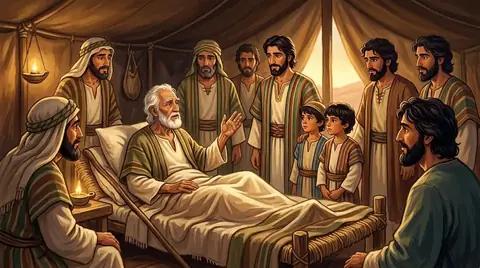 Person · TribeNaphtaliJacob's sixth son, born to Rachel's maid Bilhah, and the tribe that came from him, settled in the hills of northern…Person · TribeIssacharJacob's ninth son, the fifth by Leah, and the tribe that came from him, settled in the rich Jezreel valley. Its men in…
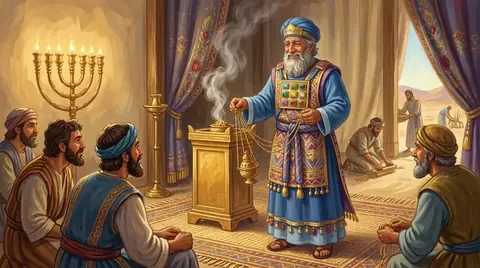 PersonAaronMoses' older brother and Israel's first high priest. He spoke for Moses before Pharaoh and served God at the tabernacle…NationThe PhilistinesA warlike people from over the sea, settled in five cities on the coastal plain to the south-west of Israel. With iron…
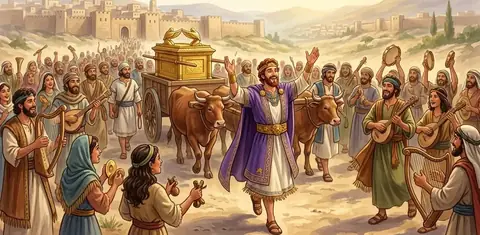 Place · TownKiriath-jearimA hill town on the border of Judah and Benjamin where the ark of the covenant stayed for twenty years, in the house of…
 Person · KingAmaziahA king of Judah who began well, beat Edom with God's help, then bowed to Edom's idols and picked a foolish war with…
Written for this app in its own words, from the Bible, with the facts checked against Bible dictionaries and encyclopedias: Easton's, Smith's, Fausset's, ISBE, Holman, the New Bible Dictionary, Vine's and the Thompson Chain topics. People and places: STEPBible.org (TIPNR), CC BY 4.0; where a place is today and its photo: OpenBible.info, CC BY 4.0.
