
Teaching
Worship
Hebrew shachah, to bow down · Greek proskyneō, to kneel and kiss
Bowing before God to honour him as God: in praise, prayer, sacrifice and obedience. It belongs to him alone, and Jesus said the Father seeks those who worship "in spirit and in truth".
- Where
- Genesis 22:5; Exodus 20:3–5; Psalms 95:6; Matthew 4:10; John 4:23–24; Romans 12:1; Revelation 4:10–11; Revelation 22:8–9
- Rule
- To God only: Peter and an angel both refused it (Acts 10:25–26; Revelation 22:9)
What it is
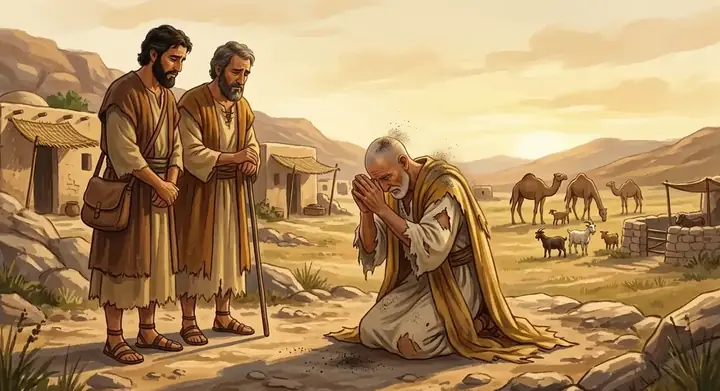
The Bible's words for worship mean bowing down, falling on the face, kneeling to kiss the feet of a king. To worship is to say with the whole body, "You are God and I am not." Abraham told his servants that he and Isaac would go up the mountain "and worship" (Genesis 22:5), meaning sacrifice. Job tore his robe at the news of his children's deaths, fell to the ground, and worshipped (Job 1:20). "O come, let us worship and bow down: let us kneel before the LORD our maker" (Psalms 95:6).
For God alone
The first commandments forbid any other god and any image (Exodus 20:3–5). Jesus answered the devil, "Thou shalt worship the Lord thy God, and him only shalt thou serve" (Matthew 4:10). When Cornelius fell at Peter's feet, Peter pulled him up: "I myself also am a man" (Acts 10:26). When John fell before an angel, the angel stopped him: "worship God" (Revelation 22:9). Yet Jesus accepted worship, from the wise men, the healed, the disciples in the boat, and Thomas who called him "My Lord and my God" (Matthew 2:11; Matthew 14:33; John 20:28). The Gospels mean us to notice.
In Israel and the church
Israel worshipped with sacrifice, song and feast at the tabernacle and temple; David organised the singers and musicians (1 Chronicles 25). The prophets insisted that worship without obedience disgusted God (Isaiah 1:11–17; Amos 5:21–24). Jesus told the woman at the well that the place would no longer matter: "the true worshippers shall worship the Father in spirit and in truth" (John 4:23). The first Christians met in homes on the first day of the week to break bread, pray, sing and hear the word (Acts 2:42; Acts 20:7). Paul widens it to the whole of life: offer your bodies as a living sacrifice, "which is your reasonable service" (Romans 12:1).
In heaven
Revelation shows what worship is for. The elders cast their crowns before the throne: "Thou art worthy, O Lord, to receive glory and honour and power: for thou hast created all things" (Revelation 4:11), and every creature joins in praising the Lamb (Revelation 5:13).
Key verses
- Psalms 95:6
O come, let us worship and bow down: let us kneel before the Lord our maker.
- Matthew 4:10
Then saith Jesus unto him, Get thee hence, Satan: for it is written, Thou shalt worship the Lord thy God, and him only shalt thou serve.
- John 4:23–24
But the hour cometh, and now is, when the true worshippers shall worship the Father in spirit and in truth: for the Father seeketh such to worship him. God is a Spirit: and they that worship him must worship him in spirit and in truth.
- Romans 12:1
I beseech you therefore, brethren, by the mercies of God, that ye present your bodies a living sacrifice, holy, acceptable unto God, which is your reasonable service.
- Revelation 4:11
Thou art worthy, O Lord, to receive glory and honour and power: for thou hast created all things, and for thy pleasure they are and were created.
Read next
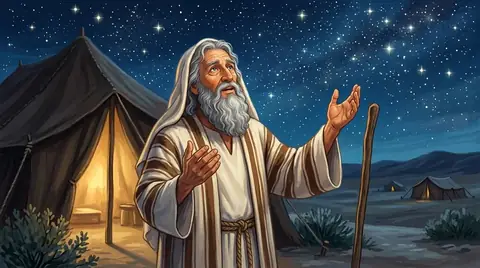 PersonAbrahamThe man God called out of Ur to a land he had never seen, promising him a people and a blessing for the whole world. He…
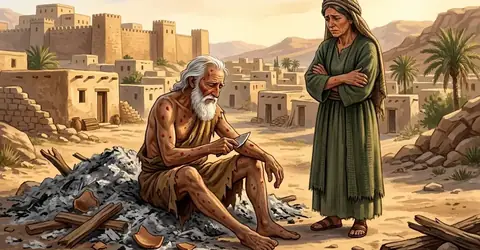 PersonJobA rich and godly man who lost his children, his wealth and his health in a single stroke, and would not curse God. His…
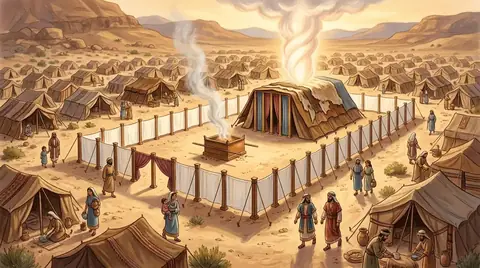 Thing · WorshipThe tabernacleThe holy tent Israel built in the wilderness, by God's own pattern, so that he could dwell in the middle of his people.…
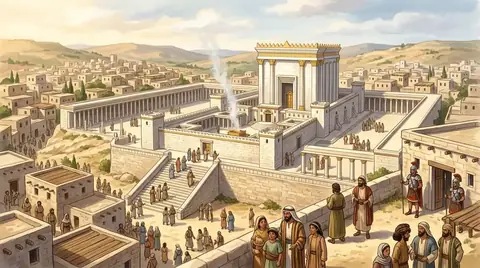 Thing · WorshipThe TempleGod's house in Jerusalem, where he was worshipped and the sacrifices offered. Solomon built it, Babylon burned it, the…
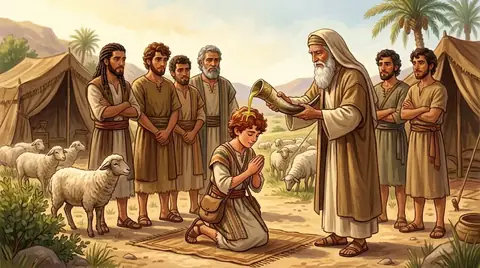 Person · KingDavidThe shepherd boy who killed Goliath and became Israel's greatest king, "a man after God's own heart". He wrote many…
Written for this app in its own words, from the Bible, with the facts checked against Bible dictionaries and encyclopedias: Easton's, Smith's, Fausset's, ISBE, Holman, the New Bible Dictionary, Vine's and the Thompson Chain topics.
