
Teaching
Vision
A way God spoke to prophets and others: something seen while awake, not a dream, that carried his message. Visions run from Abraham to the book of Revelation.
- Given to
- Prophets above all (Numbers 12:6; Hosea 12:10)
- Not a dream
- Luke 1:22; Luke 24:23; Acts 26:19
- Lack of
- A sign of God's silence (1 Samuel 3:1; Proverbs 29:18; Amos 8:11–12)
What it is
God told Aaron and Miriam how he speaks to a prophet: "I the LORD will make myself known unto him in a vision, and will speak unto him in a dream" (Numbers 12:6). A dream comes in sleep; a vision comes to someone awake, often with the eyes open and the senses sharp, and yet it shows what ordinary sight cannot. Many of the prophets' books begin "The vision of Isaiah", "the vision of Obadiah". Where there was no vision the people were left without direction (Proverbs 29:18), and in young Samuel's day "there was no open vision" because God was rarely speaking (1 Samuel 3:1).
Visions in the Old Testament
God's word came to Abraham in a vision promising him a son and a people (Genesis 15:1). Jacob saw the ladder to heaven (Genesis 28:12). Isaiah saw the Lord high and lifted up in the temple (Isaiah 6). Jeremiah was shown an almond branch and a boiling pot (Jeremiah 1:11–13). Ezekiel saw the chariot throne of God's glory, the valley of dry bones and a new temple (Ezekiel 1; Ezekiel 37; Ezekiel 40). Daniel saw four beasts and the Ancient of Days (Daniel 7), and Zechariah had a night full of visions of horses, a lampstand and a flying scroll (Zechariah 1–6). Elisha prayed that his servant's eyes be opened, and he saw the hills full of fiery chariots (2 Kings 6:17).
In the New Testament
Zacharias came out of the temple unable to speak, and the people knew "that he had seen a vision" (Luke 1:22). Stephen saw the Son of man standing at God's right hand (Acts 7:55–56). Paul was met by the risen Jesus on the Damascus road, and later saw a man of Macedonia calling for help (Acts 16:9). Peter saw the sheet of animals let down from heaven that taught him to welcome Gentiles (Acts 10:9–16). The whole book of Revelation is what John saw on Patmos. Joel had promised that in the last days "your young men shall see visions" (Joel 2:28), and Peter said Pentecost was the start of it (Acts 2:17).
For us
Visions were always God's choice, never worked up by men, and false prophets who claimed visions "of their own heart" were condemned (Jeremiah 23:16). What the prophets and apostles saw is now written down for us, and Peter says that the written word is a surer light than even his own sight of Christ's glory on the mountain (2 Peter 1:16–19).
Key verses
- Numbers 12:6
And he said, Hear now my words: If there be a prophet among you, I the Lord will make myself known unto him in a vision, and will speak unto him in a dream.
- 1 Samuel 3:1
And the child Samuel ministered unto the Lord before Eli. And the word of the Lord was precious in those days; there was no open vision.
- Isaiah 6:1
In the year that king Uzziah died I saw also the Lord sitting upon a throne, high and lifted up, and his train filled the temple.
- Acts 26:19
Whereupon, O king Agrippa, I was not disobedient unto the heavenly vision:
- Joel 2:28
And it shall come to pass afterward, that I will pour out my spirit upon all flesh; and your sons and your daughters shall prophesy, your old men shall dream dreams, your young men shall see visions:
Read next
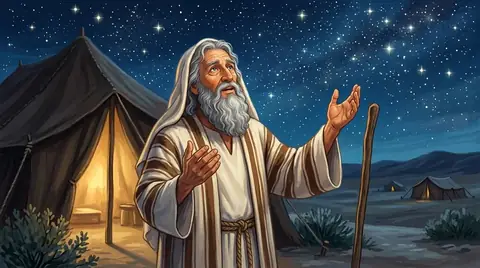 PersonAbrahamThe man God called out of Ur to a land he had never seen, promising him a people and a blessing for the whole world. He…
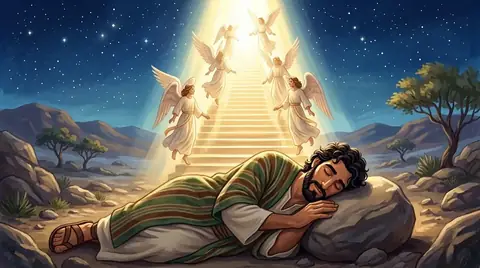 PersonJacobIsaac's younger twin son, who won his brother's birthright and blessing by cunning, was changed by God, and was renamed…
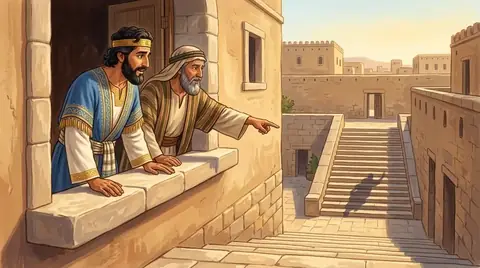 Person · ProphetIsaiahThe prophet of Jerusalem who served four kings, saw the LORD on his throne, and foretold the virgin's son, the…
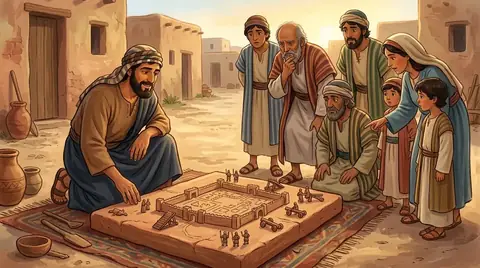 PersonEzekielA priest and prophet taken to Babylon with the exiles from Judah. By the river Chebar he saw visions of God's glory and…
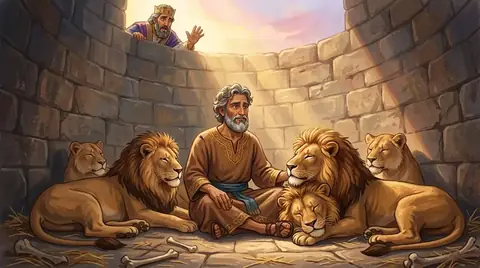 Person · ProphetDanielA young noble of Judah carried off to Babylon, who served four kings with wisdom and never bent his faith. God gave him…
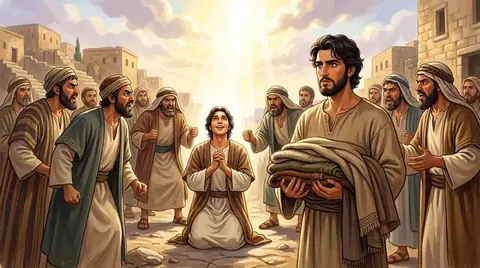 PersonStephenOne of the seven men chosen to care for the widows of the Jerusalem church. Full of faith and the Holy Spirit, he…
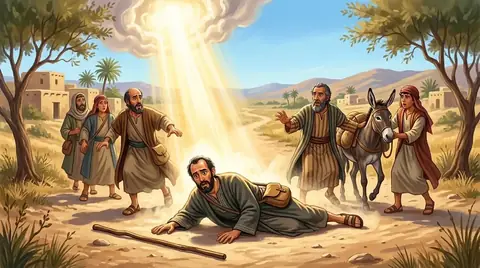 PersonPaulA Pharisee who hated the church until the risen Jesus met him on the road to Damascus. He became the apostle to the…
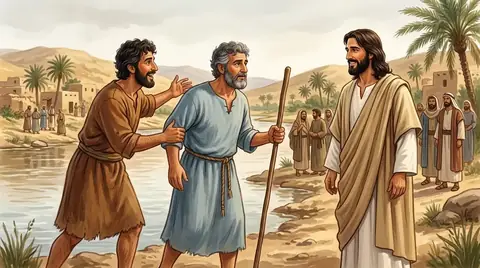 PersonPeterA Galilean fisherman who became the leader of the twelve apostles. Bold and impulsive, he confessed Jesus as the…
Written for this app in its own words, from the Bible, with the facts checked against Bible dictionaries and encyclopedias: Easton's, Smith's, Fausset's, ISBE, Holman, the New Bible Dictionary, Vine's and the Thompson Chain topics.
